
Departure of USS Repose and Offshore Triage Realignment
USS Repose hauled up heavy mooring lines and steamed away from the Da Nang coastline during a mid-March 1970 redeployment back to the United States. Departure immediately forced USS Sanctuary to absorb the complete offshore intensive care and surgical burden for III Marine Amphibious Force combat units across Quang Nam Province. Deck crews and medical personnel faced massive logistical challenges, reconfiguring hundreds of recovery beds and shifting tons of medical supplies through narrow shipboard passageways to prepare for non-stop mass casualties. Marine infantry battalions pushing through rugged mountain valleys ashore took heavy casualties from minefields and ambushes, requiring rapid offshore evacuation across miles of hostile terrain. Navy doctors and corpsmen converted storage compartments into auxiliary holding wards, while flight deck safety crews laid out high-pressure refueling lines and marked emergency staging areas for incoming transport helicopters.
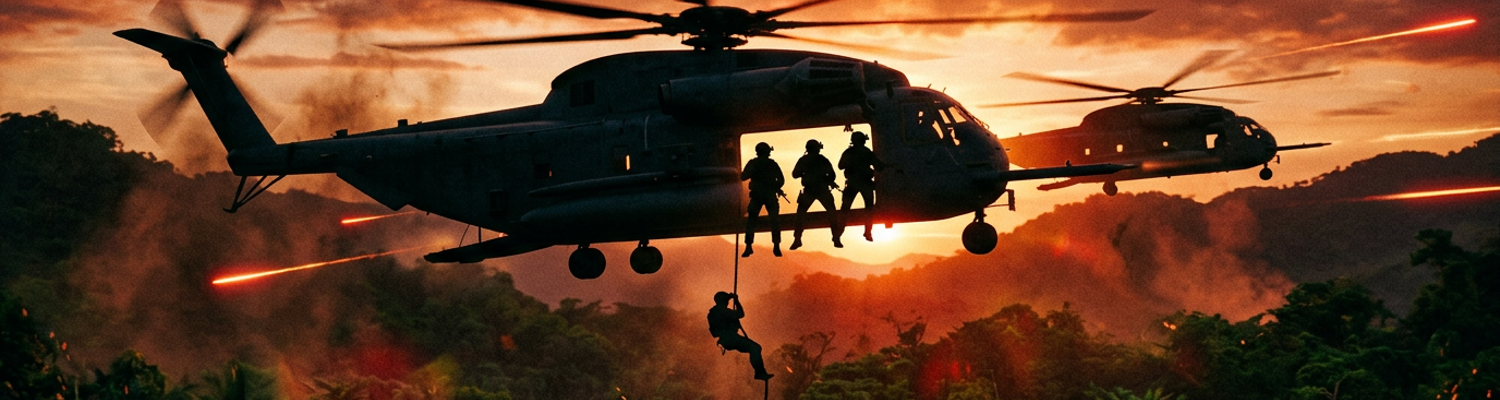
Helicopter pilots from the 1st Marine Aircraft Wing established direct radio contact with Sanctuary flight controllers because the single-ship posture forced direct coordination with medevac channels without secondary afloat diversion options. Crews flying twin-rotor CH-46 Sea Knights out of Da Nang and Marble Mountain airfields had no other floating flight deck along the northern coast to take critically wounded Marines if weather deteriorated or shipboard systems failed. Navigators calculated fuel reserves and flight times with precision, knowing that any mechanical breakdown or flight deck blockage aboard the solitary hospital ship would leave inbound medevac aircraft stranded over the water. Sanctuary flight controllers monitored emergency radio channels, prioritizing inbound flights by wound severity while flight deck handling teams stood by in fire-retardant suits with heavy steel tie-down chains. Landing signals officers guided damaged helicopters onto the non-skid flight platform through heavy ocean swells, securing the aircraft wheels so medical teams could rush wounded troops toward the internal casualty elevator.
Elevator hydraulic pumps below the flight deck immediately began overheating as continuous casualty arrivals pushed the lift mechanism beyond rated duty cycles. Machinists and damage control personnel crowded into narrow maintenance trunks to troubleshoot the failing hydraulic system where blown pressure seals leaked hot, acrid fluid over the machinery casing. Technicians cut replacement gaskets from spare rubber sheets, packed leaking valves with flax packing, and set up portable cooling fans to keep the hydraulic fluid below dangerous combustion temperatures. Operating rooms directly below depended on this improvised mechanical fix to maintain the rapid flow of bleeding casualties from the flight deck onto the surgical tables. Surgeons, anesthetists, and scrub nurses operated under overhead lamps across twelve tables at once, relying on auxiliary generator power lines that engineers re-routed through shipboard bulkheads when main electrical breakers tripped from the surge.
Generators in the lower machinery flats vibrated against steel mounting beds as hospital power demands increased during back-to-back emergency operations. Boiler technicians constantly adjusted feed-water lines and monitored steam pressures to keep shipboard desalination plants producing thousands of gallons of pure water every hour for surgical autoclaves and patient recovery wards. Saltwater scale repeatedly plugged the evaporator tubing, forcing engineering crewmen to crawl inside hot condenser shells to chip away mineral deposits with hand chisels before heat exhaustion set in. Corpsmen continuously carried freshly sterilized instrument trays back to the surgical suites, maintaining clean medical standards despite the mechanical strain on auxiliary utilities. Sanctuary engineers secured the patched generator lines, re-pressurized the main steam manifold, and reported all vital life-support systems fully operational as radar operators tracked the next inbound flight of 1st Marine Aircraft Wing medevac helicopters approaching from the coast.
Arizona Territory Operations and Mine Trauma Casualties
CH-46 Sea Knight medevac flights rushed toward Sanctuary in rapid succession because 1st Marine Division reconnaissance-in-force operations in the Arizona Territory and An Hoa Basin generated massive casualty influxes throughout April 1970. Marine rifle companies swept across dry river terraces and dense hedgerows, running headlong into deeply dug enemy defense networks designed to punish foot patrols. North Vietnamese Army regulars and Viet Cong fighters avoided sustained firefights, relying instead on hidden traps to shred infantry columns without exposing defensive positions. Concealed wooden box mines buried along dirt dikes and command-detonated 105mm artillery shells rigged in the treelines inflicted severe poly-trauma, blast concussions, and traumatic amputations on Marine patrols. Squad leaders called in emergency medevacs while corpsmen applied field dressings, tourniquets, and morphine in bomb craters under heavy sniper harassment. Helicopter pilots dropped directly into hot landing zones to load multiple litters per run, lifting out under automatic weapons fire and turning immediately toward the offshore hospital ship.
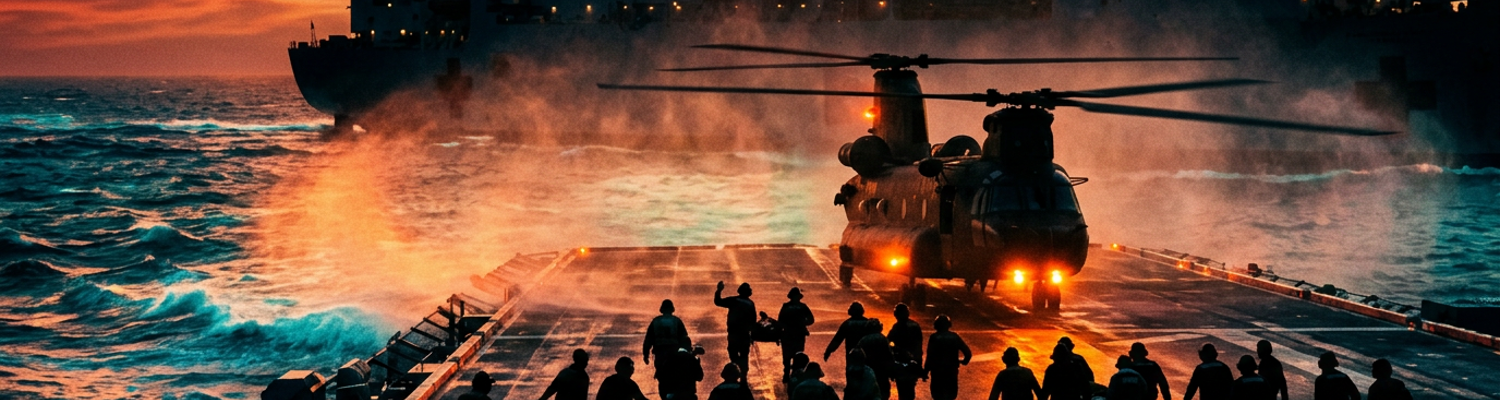
Flight deck crews caught the incoming CH-46 Sea Knight transports as landing wheels slammed onto the aft deck plating of the hospital ship. Stretcher bearers sprinted under whirling rotor blades, unloading dozens of critically injured Marines covered in red clay, shredded uniforms, and soot from detonated artillery shells. Stretcher teams crowded into the casualty staging area, but the heavy influx immediately jammed the newly packed hydraulic elevator seals when fine sand carried on the canvas stretchers infiltrated the lift guide tracks. Machinists rushed up steel ladders with wire brushes, solvent cans, and hand grease guns to clear the abrasive grit from the elevator guide rails before the hoist motor burned out. Damage controlmen manually freed a wedged linkage pin with a brass drift and hammer, allowing the platform to drop back into continuous service between the flight deck and the triage receiving ward. Hospital corpsmen cut away scorched utility uniforms on the lower deck, examining deep fragmentation wounds, limb losses, and blast concussions from the command-detonated 105mm artillery shells.
Physicians in the triage receiving ward separated incoming casualties by the severity of physiological shock, sending the most critical trauma victims directly into the main surgical operating suites. Surgeons worked without pauses across every table to control arterial bleeding, debride contaminated soft tissue, and stabilize compound fractures caused by buried wooden box mines. Surgical suction machines suddenly lost negative pressure across four adjacent operating rooms when rubber vacuum hoses collapsed under the non-stop mechanical draw of blood and saline. Hospital repair technicians quickly stripped automotive vacuum tubing from maintenance lockers, spliced thicker lines onto the medical suction pumps with hose clamps, and sealed the joints using electrical friction tape. Navy corpsmen restored continuous fluid evacuation for the surgeons within minutes, preventing chest cavities and deep abdominal wounds from flooding during delicate vascular repairs. Anesthetists pumped unit after unit of refrigerated blood into comatose Marines, adjusting intravenous drip rates as medical teams fought to reverse catastrophic blood loss.
Blood bank technicians pushed hand carts loaded with fresh plasma containers through the central corridor to resupply depleted surgical refrigerators. Auxiliary chillers cooling the blood storage compartments began vibrating violently as ambient compartment temperatures climbed under the oppressive tropical heat. Shipboard electricians dismantled the intake fan housing on the chiller skid, replaced a melted copper contact point with an improvised brass washer, and redirected an air-conditioning duct directly into the condenser coils to keep the whole blood safely chilled. Flight deck radios crackled continuously above, warning the ship that another formation of CH-46 Sea Knights had launched from An Hoa with more casualties from the morning sweep. Flight deck officers cleared the landing zone, positioned fresh litter teams along the safety nets, and signaled the lead helicopter inbound for touchdown on the stern.
Flight Deck Triage and Multi-Table Surgical Surges
Wheels struck the non-skid flight surface as the CH-46 dropped its rear cargo ramp, unloading another wave of mangled infantrymen into the roar of the idling engines. Triage teams instituted continuous sorting protocols on the flight deck to separate immediate surgical emergencies from expectant casualties. Medical officers knelt over wire-framed litters in the rotor wash, scribbling colored wax pencil marks across foreheads to direct stretcher bearers toward the elevator or the holding area. Shrapnel-torn chests, blown limbs, and perforated bowels demanded immediate surgery, while men whose vital signs had slipped beyond resuscitation were routed to comfort care so operating rooms could save those with survivable trauma. Elevator crews wrestled steel litters onto the lift platform two at a time, sending the most critical cases straight into the surgical flats below where twelve trauma tables stood ready.
Surgeons cut through bloody battle dressings as soon as litters slid onto the steel operating stands, beginning the grueling work of stabilizing catastrophic tissue damage. Sanctuary operated multiple trauma tables concurrently across 24-hour cycles to perform extensive vascular debridement and exploratory laparotomies. Medical teams clamped torn femoral arteries, resected perforated intestines, and cleaned shredded muscle packed with jungle mud and shrapnel fragments while anesthetists fought to maintain blood pressure in shock-stricken bodies. Severe casualty volume rapidly depleted shipboard whole-blood reserves and sterile linen packs during peak operational waves, threatening to halt the surgical schedule in the middle of active procedures. Scrub nurses tore open the last remaining bundles of sterilized drapes and gowns, stacking empty muslin wrappers in damp corners while circulating corpsmen called the shipboard laundry and blood bank for emergency replenishments.
Boiler scale jammed automatic steam valves on the central autoclaves, causing chamber pressures to drop below the temperature required to sterilize new linen packs. Machinists crawled behind hot utility bulkheads with open-ended wrenches and brass scrapers, manually clearing mineral buildup from the steam orifices while steam heat threatened their bare hands. Engineers bypassed broken automatic regulators by piping a direct auxiliary steam line into the sterilizer manifolds, using hand-turned globe valves and visual pressure gauges to maintain the required sterilization heat. Corpsmen loaded soaked cotton sheets, surgical towels, and laparotomy sponges into the modified chambers, timing each pressure cycle with pocket watches to keep fresh bundles moving up to the surgical suites.
Linen bundles reached the operating rooms just as anesthesiologists exhausted the final units of refrigerated plasma, leaving surgical teams without whole blood for the next incoming casualties. Blood bank corpsmen hurried through engineering mess decks and berthing spaces with donor collection kits, sounding an emergency call for type O donors among off-duty sailors to replenish the empty storage chillers. Technicians drew hundreds of pints directly from off-shift boiler operators, electricians, and damage controlmen, carrying warm plastic containers straight to the pathology laboratory for rapid cross-matching. Surgical assistants hung freshly donated units directly over the trauma tables, squeezing the bags by hand to force life-saving fluid into exsanguinating Marines while surgeons tied off deep internal bleeders. Relieved surgeons completed final abdominal closures and splinted revascularized limbs, clearing the tables just as the overhead loudspeaker announced three more CH-46 helicopters entering the landing pattern.
HVAC Blower Failures and Sterile Zone Temperature Spikes
Corpsmen wheeled newly bandaged Marines out of the surgical suites and into the recovery wards as incoming helicopters touched down on the flight deck above. Heavy atmospheric pressure built over the Gulf of Tonkin, where intense tropical humidity and sudden coastal squalls overtaxed vintage ventilation blowers and environmental control systems. Wet maritime air poured through exterior intake cowls, saturating cotton intake filters and pushing moisture deep into the mechanical ventilation trunks. Fan motors designed during World War II strained against dense, water-laden air, throwing electrical breakers and filling lower passageways with the sharp smell of scorched insulation. Electricians pulled safety disconnects and crawled into cramped fan housings to replace burned copper brushes and wipe salt residue off motor armatures before supply trunks stopped delivering outside air to the interior compartments entirely. Airflow drops trapped humid air inside the central hospital flats, setting off an immediate climate crisis across the operating decks.
Water chillers failed in several lower compartments, driving surgical suite temperatures above allowable limits for positive-pressure sterility. Bulkhead thermometers inside the trauma rooms climbed past eighty-eight degrees, creating hot, damp working conditions where human sweat threatened patient safety. Scrub nurses constantly blotted the foreheads and necks of operating surgeons with sterile towels to prevent sweat droplets from falling into exposed abdominal cavities and open bone fractures. Air pressure differential gauges dipped into the red zone as positive-pressure airflow collapsed, allowing unfiltered corridor air to seep around door gaskets into the operating fields. Machinists rushed into the bilges with wire brushes and flush hoses, opening chiller inspection ports to scrape green slime and mineral crust off the heat-exchanger tubes. Rapid clearing of the evaporator tubes restored partial water circulation to the cooling coils, but the surge of electrical pumps and restart motors sent sharp power fluctuations directly back into the shipboard boiler rooms.
Boiler load shifts caused steam autoclave sterilizers to lose sustained operating pressure during critical surgical repacking phases. Firemen adjusted fuel-oil valves and forced-draft blowers in the boiler spaces as steam pressure swung wildly between the main turbo-generators and the hospital auxiliary lines. Pressure gauges on the central supply autoclaves dropped below the critical twenty-pound threshold, interrupting the high-temperature sterilization cycle required for hundreds of surgical instruments, towels, and laparotomy drapes. Supply technicians faced a critical shortage of clean tools with contaminated trays piling up outside the processing room and incoming wounded already entering the triage area. Damage controlmen quickly fabricated an auxiliary bypass line from spare copper piping and brass fittings, routing pressurized auxiliary steam around failing reduction valves directly into the sterilizer jackets. Hospital corpsmen monitored newly installed manual steam gauges with stopwatches, verifying that chamber pressures rose back into the required sterilization range to finish sterilizing the instrument packs.
Technicians unloaded scalding metal drums from the autoclave chambers, rushing armloads of freshly wrapped instrument sets back into the surgical suites. Scrub teams immediately tore open double-wrapped muslin packages to inspect chemical indicator strips, confirming that full sterilization heat had penetrated every sponge and clamp. Orderlies laid out gleaming steel tools across the operating tables as corpsmen rolled three critically wounded Marines through the double doors from the flight deck elevator. Surgeons stepped forward under hot surgical lamps, picked up their scalpels, and made opening incisions into shrapnel-shredded muscle.
Improvised Engineering Repairs and Continuous Surgical Support
Blood welled rapidly from torn vascular beds beneath the scalpels, forcing operating teams to activate multiple electric suction pumps and electrocautery wands at the same instant. Simultaneous power draws from eight surgical suites clashed with heavy mechanical loads of the lower engine compartments, triggering severe voltage drops across the shipboard electrical grid. Overhead fixtures flickered and browned out, slowing mechanical ventilators and dimming surgical fields while doctors probed deep internal lacerations. Engineers manually rewired auxiliary generator switchboards under emergency lighting to isolate surgical power grids from shipboard brownouts. Sweating technicians stood in cramped auxiliary compartments with insulated hand tools, tracing heavy copper leads and bypassing secondary shipboard circuits to route dedicated current directly to the operating deck. Manual circuit modifications restored steady, uninterrupted voltage to the surgical suites, keeping vital monitors and suction motors humming without interference from the main propulsion boilers.
Steam pressure inside the hospital utility lines surged erratically as boilers compensated for shifted electrical loads, blowing out critical flange seals on the central sterilizers. Sterilizer chambers vented scalding vapor into the passageways and lost the high operating pressure needed to clean instruments between surgical cases, threatening an immediate halt to all incoming trauma operations. Machinists and damage control personnel fabricated makeshift copper bypass lines and synthetic gaskets to restore high-pressure steam autoclaves. Repair teams shaped dense neoprene packing sheets with utility shears to replace shredded original seals, while pipefitters bent spare copper tubing around warped cast-iron valves to route direct twenty-pound steam back into the sterilizer jackets. Wrench-wielding machinists tightened flange bolts by hand and tested the lines under full pressure, watching chamber gauges climb steadily back into the safe sterilization range. Supply technicians immediately loaded trays of blood-stained retractors and bone chisels into the restored chambers, but the continuous discharge of scalding steam and tropical moisture began choking the primary environmental air handlers.
Ductwork leading into the trauma wards clogged rapidly as airborne lint from fresh linen packs mixed with damp exhaust vapor, forming dense mats of wet residue across the intake fans. Airflow dropped to near zero across several treatment compartments, trapping stagnant heat and raising the danger of airborne bacterial contamination around open surgical fields. Hospital corpsmen collaborated with maintenance crews to clear fouled blower ducts with improvised scavenge lines, keeping trauma bays operational. Corpsmen uncoiled flexible rubber drainage hoses and connected them to portable suction canisters, while damage controlmen unbolted inspection panels along the overhead trunks to direct vacuum nozzles deep into the ventilation bends. Crews worked shoulder to shoulder in narrow spaces, scraping sticky sludge from impeller blades with putty knives and pulling clumps of wet debris clear of the fan grates. Restored airflow rushed through the cleared trunks, dropping ward temperatures back toward safe levels as surgeons placed their final vascular sutures and prepared the trauma tables for the next incoming medevac.