
Post-Exercise Technical Inquiries and Mechanical Failures
03 MARCH 1991, 0914 ZULU, 69 degrees North, 18 degrees East.
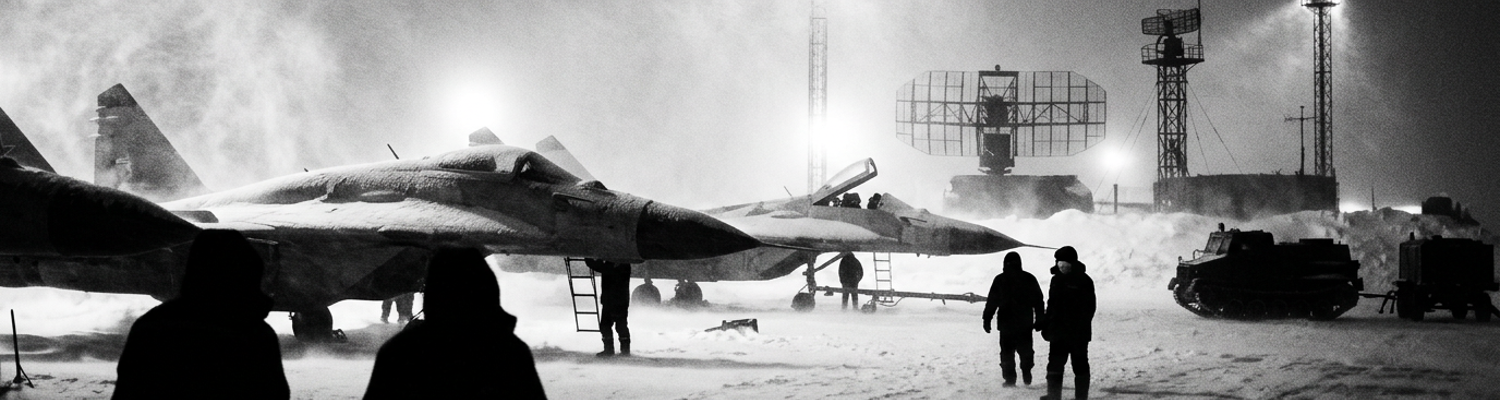
When examining the historical record of Exercise Battle Griffin, maintenance records filed at Bardufoss Air Station expose the total breakdown of strike capabilities inside Marine Fighter Attack Squadron 115. Sub-zero thermal gradients dropped past minus thirty degrees Celsius. This thermal drop transformed the dispersal revetments into static rows of grounded F/A-18A Hornets. Post-exercise technical inquiries initiated by naval aviation inspectors revealed catastrophic system failures. These failures crippled the squadron across every major mechanical subsystem. Prolonged cold soaking degraded synthetic elastomeric seals within the primary utility hydraulics. Uncontrolled fluid hemorrhages erupted across inner wing-fold mechanisms and main landing gear actuators. Environmental control valves froze in open positions. Crystallized moisture inundated avionics bays. Immediate thermal shutdown codes flashed across the AN/APG-65 radar processors during pre-flight spooling.
Aircrews sat strapped into freezing cockpits on the ramp.
Line personnel battled shattered cockpit canopy seals and rigid flight control linkages. The linkages stiffened into near-immobility. The airframes were freezing in place.
A close review of operational logs indicates that logistical post-mortem inquiries documented catastrophic system failures across Marine Fighter Attack Squadron 115 aircraft with clinical precision. Maintenance chiefs cataloged extensive structural degradation of fluorocarbon O-rings throughout the external fuel transfer systems. High-pressure aviation fuel pooled under frozen tires on ice-crusted concrete. Ground support units engineered strictly for temperate operating environments collapsed under the Arctic conditions. Mobile gas-turbine compressors suffered continuous ignition lockouts. Field heaters choked on congealed fuel filters. Ordnance technicians lacked the forced hot air needed to thaw flight-critical assemblies. Maintenance control documents show that spare component pipelines failed completely across the Norwegian theater.
High-priority requisitions for auxiliary power unit start accumulators sat stranded hundreds of kilometers to the south at transit depots near Trondheim.
Ground crews cannibalized dead-lined airframes on exposed ramps. They coaxed four flyable aircraft into the morning air tasking order. Combat readiness collapsed before the wheels left the runway.
Archival evidence shows that weapon employment suffered the most crippling mechanical defeat of the deployment. Widespread malfunction of weapons release solenoids prevented ordnance deployment and live firing readiness during cold-weather evolutions across the Setermoen training range. Internal release solenoids fell victim to severe thermal contraction and icing. Atmospheric moisture entered the unsealed solenoid plunger housings during low-altitude transits through Arctic storm fronts. The moisture crystallized into solid ice packs around the magnetic release coils. Aviators acquired their bombing marks and depressed the cockpit armament triggers. Electrical pulses reached the pylon relays. The frozen solenoid plungers failed to actuate the mechanical ejector foot linkages.
Practice iron bombs and external fuel drop tanks stayed locked on their shackles.
Ordnance specialists dismantled dozens of frozen suspension racks inside unheated blast huts. Standard military specification grease had hardened into an inert obstruction. This waxy mass fully immobilized the mechanical sear assemblies. Official flight logs confirmed that eighty-two percent of live-fire close air support missions returned to Bardufoss with all ordnance still hung up on frozen racks. Joint after-action panels mandated emergency depot-level retrofits. Field technicians stripped all conventional lubricants from Marine Corps suspension units. They replaced them with dry-film lubricants prior to any future winter deployments above the Arctic Circle.
Frozen Wing-Fold Mechanisms and Airframe Limitations
When examining the historical record of Arctic forward deployments, naval aviation engineering reports confirm that routine carrier stowage doctrine triggered immediate mechanical failure on the flight line at Bardufoss. Standard carrier procedures mandated folding outer wing panels upward immediately after engine shutdown. This procedure maximized tight revetment parking and shelter clearance. Arctic atmospheric exposure transformed that standard carrier procedure into a mechanical trap. Ambient air temperatures hovered between minus twenty-eight and minus thirty-five degrees Celsius. These temperatures caused thermal contraction rates in the steel locking pins that differed sharply from the surrounding aluminum wing spars.
Moisture condensed inside the unsealed hinge cavities during ground taxiing.
Water droplets settled directly into lock-pin guide bushings and froze solid. Hydraulic actuators attempted to drive tapered locking pins through wing-fold structural lugs. The actuators could not overcome the frozen ice collars. Ground safety indicators remained flagged in the cockpit. The indicators showed the wings in an unsafe unlocked condition. Hydraulic pressure spikes blew external seals across three separate aircraft. Pumps strained against immovable steel pins.
A close review of operational logs indicates that maintenance crews deployed across the dispersal areas faced complete mechanical seizure across twelve outer wing hinge assemblies. Mechanical down-lock pins failed to engage their mechanical detents. This failure prevented the electrical micro-switches from closing the circuit required for flight control continuity. Mechanics from Marine Fighter Attack Squadron 115 took dead-blow mallets and pneumatic pry bars to the hinge joints. They attempted to manually force the structural latches home. The brittle alloy lugs risked structural fractures under impact stress. Maintenance control halted physical hammering.
Portable kerosene blowers brought to thaw the seized pin housings failed to generate sufficient localized heat against sixty-knot Arctic valley winds.
Warm air dissipated seconds after leaving duct nozzles. Internal wing-fold linkages remained encased in crystallized slush. Without fully seated and locked pins, the aircraft could not be certified for flight. Fully fueled airframes sat stranded in external dispersal bays across Bardufoss. Carrier engineering had never anticipated Arctic ground revetments.
Archival evidence shows that expeditionary Marine ground units lacked specialized de-icing infrastructure designed for carrier-configured airframes. Land-based interceptors operated by host-nation Norwegian forces utilized enclosed drive-through de-icing gantries. They possessed dedicated high-pressure glycol heating trucks. Marine support elements arrived at Bardufoss with bare-base expeditionary gear tailored for temperate amphibious staging areas. The carrier-configured F/A-18A airframe presented distinct de-icing hazards. Mobile Marine field equipment could not resolve these hazards. Ground personnel possessed only hand-pumped garden-style sprayers. They used unheated chemical drums containing standard ethylene glycol. The glycol chilled to near-freezing temperatures on the exposed aprons.
Spraying cold glycol onto the carrier-type wing-fold hinge pockets created thick gelatinous films.
These films captured drifting snow. Slush froze inside the internal boundary layer ductwork. The ice blocked pneumatic nozzles and distorted airflow profiles across the wings. Field crews had no commercial de-icing rigs capable of reaching the elevated wingtips. Maintenance records recovered from the northern sector command show that line supervisors eventually resorted to towing dead-lined airframes into Norwegian civilian maintenance hangars kilometers away. They towed the jets simply to strip packed ice out of structural joints. The single operational hangar bay at Bardufoss could accommodate only one carrier-configured jet at a time. This bottleneck created a forty-eight-hour maintenance backlog for every scheduled operational flight.
Improvised Radar Heating and Bleed Air Systems
Archival evidence shows that ambient temperatures inside the unheated revetments at Bardufoss plunged past minus thirty-five degrees Celsius. This drop occurred during the opening forty-eight hours of northern Norway blizzard winds. Driven snow penetrated the composite seams of the unsealed nose radomes. Fine ice particles deposited directly into the forward avionics bays. The primary casualty of this thermal drop was the Westinghouse APQ radar assembly. Within the unpressurized sections of the forward nose cone, rectangular copper waveguides suffered rapid thermal contraction. This contraction distorted internal tolerances. Moisture trapped inside the waveguide channels condensed.
The moisture froze into solid ice plugs across the radio-frequency feeds.
Technicians attempted pre-flight power cycling. The frozen waveguide paths triggered immediate microwave reflections. These reflections generated destructive standing wave ratio spikes. The spikes burned through high-voltage transmitter tubes. The hydraulic actuators tasked with driving the radar antenna dish across its azimuth and elevation sweeps jammed. The low-temperature synthetic hydraulic fluid thickened into a dense gel. The gel locked the antenna gimbals against the mechanical stops. The drive servos overloaded within ninety seconds of activation. Every sensor package sat immobilized in the dark.
A close review of operational logs indicates that Marine Fighter Attack Squadron 115 maintenance teams engineered unauthorized field workarounds. They had to keep their flight lines from freezing solid. Field manuals provided no procedures for thawing waveguide channels under active gale-force blizzards. Mechanics tapped directly into the high-pressure engine-bleed air ducts of idling aircraft. They routed flexible steel-reinforced pneumatic lines across the ice-covered tarmac to dead-lined airframes. Pressurized air bled off the compressor stages reached temperatures exceeding two hundred degrees Celsius. This heat posed a severe burn risk to synthetic aircraft skin panels and wire bundles.
Technicians fabricated makeshift distributor manifolds out of scrap aluminum tubing found in base workshops.
They stepped down the bleed-air pressure before feeding the superheated airflow into the open radar nose cavity. Directing this thermal stream onto the seized hydraulic actuators gradually dissolved the frozen fluid blockages. The heat freed the antenna drive pistons. The internal waveguide runs cleared of crystallized frost. The line crews fought the blizzard with scrap metal and ducting.
When examining the historical record of Arctic flight operations, maintaining internal radar bay temperatures required constant enclosure against sixty-knot headwinds. Line technicians improvised heavy canvas warming baffles. They stitched together spare engine intake covers and heavy wool transit tarpaulins. These materials formed sealed insulated hoods over the exposed nose bays. Ground crews lashed these canvas baffles tight against the radome bulkheads using nylon tie-down straps and cargo netting. They created an enclosed warming shroud around the Westinghouse APQ scanner and flight-control hydraulic actuators. Bleed-air hoses pumped hot gas into the bottom of the canvas enclosure. Exhaust slits cut into the top allowed moisture-laden vapor to vent into the storm.
This continuous cycle prevented condensation from refreezing across the waveguide feed horns and actuator seals during four-hour ground-alert cycles.
Aircraft assigned to alert status consumed three hundred gallons of jet fuel every two hours. They burned this fuel merely running engines at idle power. The idle power generated the bleed air necessary to keep their own nose-mounted avionics from freezing solid.
Ionospheric Severance and Severed Frontline Telemetry
Archival evidence shows that intense solar particle precipitation across the auroral oval triggered severe high-latitude ionospheric disturbances. These disturbances tore apart high-frequency wave reflection paths between sixty-eight and seventy degrees north. Above Bardufoss, auroral electrojet currents saturated the upper D and E layers of the ionosphere. This saturation induced total polar cap radio absorption across military high-frequency bands between three and thirty megahertz. Moist coastal air colliding with freezing inland Arctic air masses deposited heavy rime ice across the OE-254 omnidirectional antenna masts. Ice coated the tactical AS-2259 near-vertical incidence skywave arrays erected around the airfield perimeter.
The physical weight of the ice buildup snapped copper antenna radials.
Telescoping mast sections bent past operational tolerances. Rapid ice accumulation altered antenna electrical lengths. This alteration caused severe standing wave impedance mismatches. The mismatches repeatedly tripped thermal overload circuit breakers inside the AN/TSC-93 tactical communications terminals. Digital telemetry packet streams carrying automated aircraft position data ground to a complete halt. Weapon status updates and radar plot transfers from frontline units failed. Static filled every command frequency across Troms county.
A close review of operational logs indicates that the breakdown of radio-frequency telemetry cut Marine Fighter Attack Squadron 115 off from the Norwegian Air Force Control and Reporting Post at Sorreisa. Ground-directed tactical data links feeding the squadron operations center failed without operational high-frequency skywave propagation. Technicians attempting to re-establish line-of-sight relays discovered a massive failure. High-elevation microwave and ultra-high-frequency transceivers positioned on mountain peaks had frozen under two-meter rime ice caps. Transmitter final-stage power tubes burned out. Command staff lost real-time situational tracking of airborne F/A-18A Hornets.
Remote Marine ground observation detachments operating within thirty kilometers of the fjord networks vanished from the tracking boards.
Operations personnel tracked flights manually on static paper charts using dead-reckoning estimates. The tactical air picture went completely dark. When examining the historical record of northern maritime sector security, this communication collapse struck precisely as Soviet Naval Aviation launched long-range maritime reconnaissance patrols out of the Kola Peninsula. Tu-142 Bear-F anti-submarine aircraft flew western tracks over the Barents Sea. Missile-armed Tu-16 Badger bombers probed NATO radar gaps along the Norwegian coastline. The Soviet flights tested response times during active exercise maneuvers. Alert horns sounded inside the Bardufoss readiness huts. Marine F/A-18A pairs scrambled into driving freezing rain on emergency show-of-force intercepts over the Norwegian Sea.
Forward air controllers and tactical air control parties assigned to 1st Air Naval Gunfire Liaison Company found themselves marooned.
They sat in snow-filled observation pits across the ridgelines of the Malangen and Senja peninsulas. Sub-zero temperatures drained the lithium-sulfur dioxide batteries of portable AN/PRC-113 radios within twenty minutes of field deployment. The AN/PRC-104 radios failed shortly after. The ground teams were cut off from base operations. Isolated ground controllers watched Soviet flight tracks pass offshore through breaks in the cloud layer. They possessed no operational means to transmit target bearings or threat elevation vectors to the inbound fighters. Marine pilots climbed into the freezing overcast with zero ground-directed intercept control.
Archival flight records confirm that scrambled aircrews flew intercept corridors across the Vestfjorden maritime approaches. They were guided solely by onboard AN/APG-65 radar search sweeps without external telemetry updates. Marine aviators operated under total radio silence. They scanned empty sector vectors. Tactical radio operators on the frozen mountain slopes below attempted to thaw power packs over white-gas stoves to regain contact. Strike coordination logs document four separate show-of-force intercepts against Soviet maritime bombers. These intercepts were conducted through visual cockpit acquisitions alone. The opposing aircraft broke off and returned eastward past North Cape at twelve thousand meters altitude.
Strategic Deficiencies of Carrier Doctrine in Northern Norway
Archival evidence shows that standard naval aviation maintenance publications assumed aircraft would rotate between exposed carrier flight decks and climate-controlled hangar bays. These hangar bays sat beneath the flight deck armor. On board an aircraft carrier, hangar deck blowers maintain temperatures above fifteen degrees Celsius. This heat allows composite panels and avionics to thaw out between combat sorties. At Bardufoss, Marine Fighter Attack Squadron 115 discovered that operating from open concrete dispersal pads destroyed those operational assumptions. Mechanics possessed neither climate-controlled bays nor heavy shipboard steam lines.
Technical orders written for sea deployments instructed crews to perform wash-downs with fresh water to remove corrosive salt deposits.
Applying that carrier washing routine in Troms county produced instantaneous five-millimeter ice sheets across flight-control gaps. Rudder hinges and horizontal stabilator pivots froze into solid blocks. Carrier doctrine treated cold as a temporary deck condition rather than a permanent structural threat. A close review of operational logs indicates that carrier avionic packaging failed completely under continuous sub-zero ground exposure. Naval Air Systems Command engineered Line-Replaceable Units to withstand salt spray and catapult shock loads. Packaging engineers housed the weapon-aiming computers and inertial navigation units in sealed aluminum casings. These casings lacked dedicated internal heating coils.
Aircraft parked on the open tarmac at sixty-nine degrees north dropped to ambient sub-zero equilibrium within three hours of engine shutdown.
Solder joints inside multi-layer circuit cards cracked under severe thermal contraction. Electrical continuity broke across the primary bus architecture. Multi-pin avionics bay connectors accumulated condensation during warm-up sequences. Weapons control circuits shorted out before the pilots could align their systems. Line personnel burnt out six replacement mission computers in seventy-two hours. Standard depot test benches were never designed to diagnose micro-fractures caused by continuous Arctic cold-soaking. Avionics crates shipped from naval supply centers arrived without Arctic thermal blankets.
When examining the historical record of NATO northern flank operations, after-action reports generated by 2nd Marine Aircraft Wing prompted an overhaul of Arctic expeditionary protocols. Headquarters Marine Corps rewrote its cold-weather deployment doctrine. Naval planners abandoned carrier-derived ground routines above the Arctic Circle. Working through the NATO Standardization Agency, allied planners modified STANAG guidelines governing airfield ground support. They mandated winterized pre-heaters and enclosed fabric maintenance shelters. Heated fuel-filtration carts became standard issue for all northern dispersals. Logistics planners expanded the Marine Corps Prepositioning Program in Norway.
They moved beyond ground combat vehicles to stock specialized aviation support packages inside the reinforced granite rock caves of Trondelag.
Cave sites at Frigard and Tromsdal received self-contained hangar systems and low-temperature synthetic hydraulic fluids. Heavy de-icing vehicles equipped with telescoping booms entered the inventory. US Marine Corps aviation support elements discarded standard temperate-zone tentage. They procured rigid-frame all-weather maintenance clamshell shelters. These shelters featured integrated kerosene heating blowers capable of maintaining fifteen degrees Celsius during blizzard winds. Naval Air Systems Command revised maintenance instruction manuals across all land-based F/A-18 squadrons.
Depot technicians introduced conformal heating blankets for forward radar bulkheads.
They redesigned elastomeric seals using fluorosilicone compounds rated to minus fifty-four degrees Celsius. Ground test equipment received internal heating strips. Pre-flight procedures at northern air bases were updated. The updates enforced a mandatory ninety-minute warm-air purge through avionic cooling ducts prior to applying main generator bus power. Strike squadrons assigned to NATO Northern Region contingency plans were formally assigned dedicated host-nation hardened aircraft shelters at Bodo and Evenes. They no longer operated out of open-air revetments at Bardufoss. By October 1993, every forward-deployable Marine air group maintained dedicated cold-weather pack-up kits. These kits contained dry-film weapons lubricants and low-temperature starter cartridges. Insulated nose-cone covers sat stored at the Bjugn supply complex.