
Strategic Defense Network of Casco Bay
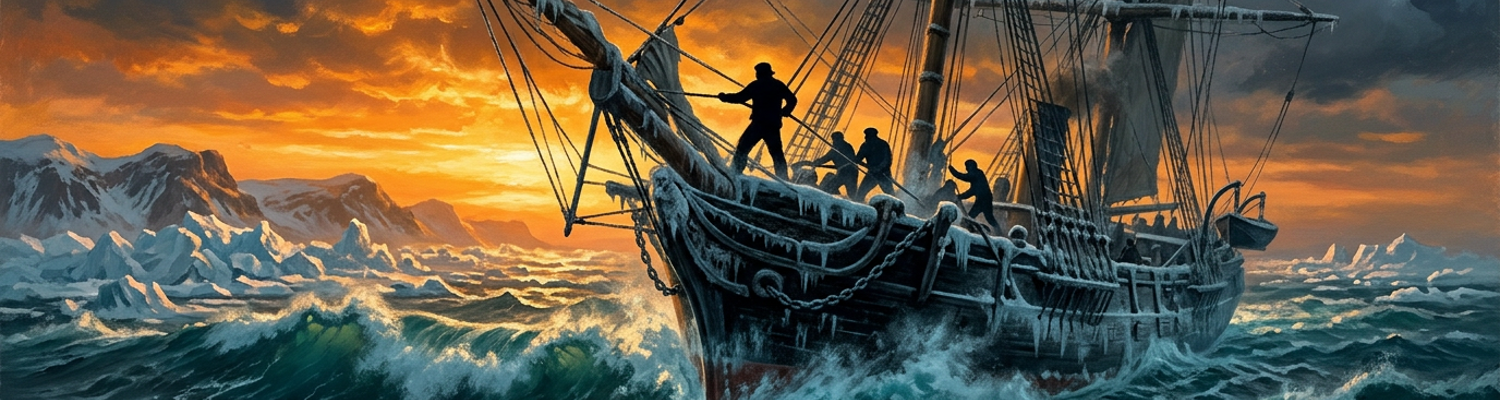
Riggers on the foredeck of USCGC Ilex wrestled a stiff, ice-coated wire pendant over the ship roller chock while gray tidal slush surged around the hull. The crew had to lock the mooring chain into a massive steel stopper before the falling tide dragged the tender toward the outer rocks of the channel. These men handled heavy coastal defense equipment in New England, serving under the First Naval District to keep the approaches to Casco Bay clear and protected. Naval planners had designated Casco Bay as the primary staging and escort training anchorage for the North Atlantic fleet, gathering destroyers, patrol craft, and merchant ships in the sheltered waters behind Portland to prepare for convoy runs. Every warship sailing out to hunt German submarines relied on this anchorage to take on fuel, calibrate gun batteries, and run combat drills. The entire anchorage depended on a narrow entrance passage that the crew of Ilex worked to keep sealed against enemy penetration.
South Portland Naval Net Depot supplied the heavy barrier assemblies and specialized hardware required to block that vital waterway. Civilian workers and naval riggers at the depot waterfront assembled, repaired, and loaded the massive chain-link screens that Coast Guard tenders carried out into the sound. Operating orders paired the depot directly with Coast Guard tender assignments, sending ships like Ilex into winter weather to plant moorings, drop heavy concrete sinkers, and align rows of baffle net lines across the shipping channel. These baffle nets consisted of interlocking steel mesh suspended from floating buoys, positioned in overlapping rows so incoming friendly vessels could weave through an open gate while blocking any direct torpedo shot from an offshore German U-boat. Maintaining those heavy net barriers required continuous mechanical labor, because rough Atlantic swells and drifting debris constantly tugged at the buoys, bent structural shackles, and pulled sinkers off their charted positions on the rocky floor.
Cables resting on that same rocky floor linked the harbor entrance to an array of magnetic indicator loops and sensitive listening hydrophones. Navy technicians on shore watched galvanometer dials wired to the loops, waiting for the magnetic signature of a submerged steel hull to swing a needle and confirm an intruder crossing the outer threshold. Listening hydrophones mounted on underwater tripods complemented the magnetic loops by picking up the acoustic pulse of electric drive motors and turning propeller blades. Together with the physical baffle nets hanging near the surface, these electronic sensors formed an integrated detection system designed to identify and track any submarine before it could reach the clustered troopships and tankers resting in Casco Bay. The delicate electronic lines shared the narrow passage with heavy ground tackle, meaning that any shift in the massive anchor arrays threatened to crush or cut the submerged communication wires.
Ice floes grinding across the outer channel multiplied that danger by gripping the surface buoys and dragging their heavy ground tackle across the seabed. Officers aboard USCGC Ilex received urgent orders to adjust the moorings and alter the anchor placements before the drifting ice packs tore the baffle nets completely free. Every movement of the tender required precise maneuvering in freezing spray, balancing the urgent need to stabilize the nets against the constant risk of tearing the sensitive hydrophone cables lying beneath the keel. Harbor defense commanders in Boston and South Portland monitored the situation through urgent dispatch traffic, aware that a single displaced anchor could blind their listening posts right as German U-boats probed the northern convoy lanes. Crewmen worked in sub-zero gale winds with cutting torches and heavy sledgehammers, preparing to modify the buoy anchorages to survive the advancing freeze.
Harsh Winter Conditions and Pack Ice
Sledgehammer blows battered against frozen steel shackles as deckhands fought to break the net bridles free before advancing ice crushed the buoys. Ambient sub-zero temperatures gripped the outer islands of Casco Bay, turning every splash of seawater into thick rime within seconds. Severe gale winds whipped the ocean surface and drove heavy pack ice into the coastal approaches, clogging the narrow passages that guarded the harbor. Drifting ice floes stacked against one another in jagged pressure ridges, grinding against the outer barrier nets and shoving the floating steel markers toward the rocks. This tremendous ice pressure threatened to tear the baffle nets completely from their moorings, leaving the deep-water gate wide open for any German U-boat lurking off the coast.
Sailors aboard USCGC Ilex took their ship directly toward that endangered perimeter after receiving urgent orders from naval commanders in South Portland to restore the channel defenses. The vessel operated out of its South Portland base under naval command specifically to carry out urgent channel maintenance and keep the shipping routes safe for Atlantic convoy traffic. Coast Guard officers had to balance basic winter seamanship against the strict requirement to keep the submarine barrier aligned and functional. Grinding pack ice shoved by the gale closed around the cutter hull, turning a routine five-mile transit into a punishing struggle through choked waters. Bridge watchstanders peered through frost-glazed pilot house windows, guiding the vessel inch by inch toward the submerged net arrays where the buoy anchors needed immediate repositioning.
Seawater drenched the exposed foredeck with continuous spray the moment the tender slowed beside the outer buoy line. That continuous sea spray caused severe topside icing across the working vessel, coating the cargo boom, deck plating, and anchor windlass in heavy rime. Ice built up so quickly on the forward deck that the growing weight threatened the ship stability and made the cutter roll sluggishly in the breaking swells. Riggers swung heavy mallets to chop the crust away, but fresh spray washed over the gunwales and froze over their work surfaces faster than they could chip it clear. This relentless ice accumulation soon seized the cargo blocks and standing rigging, locking the heavy net-handling gear in place just as the crew prepared to hoist the mooring lines.
Antennas and magnetic compass binnacles froze beneath the same relentless ice, blinding the bridge crew and disabling vital navigational gear as the vessel pitched in the gale. Radio operators struggled to transmit and receive clear signals because heavy ice encrusted the lead-in wires and loaded the rigging with hundreds of pounds of frozen slush. Officers could not afford to retreat to the inner harbor, because leaving the net buoys adrift would allow the entire baffle line to drag across the channel floor. Deck crews moved into position around the main boom with wire slings and heavy hooks, preparing to haul the buoy anchors off the seabed despite the blinding spray. Steam winches began to turn with a strained shudder as the crew took up the slack on the first anchor chain, lifting the heavy sinker directly over the delicate electronic cables resting in the mud below.
Alteration of Net Mooring Buoy Anchors
Steel chains groaned as the crew hoisted the heavy sinker clear of the seabed, swaying dangerously close to the sensitive cable corridor. Heavy drift ice pressed relentlessly against the surface floats outside the hull, shoving the entire anti-submarine net line sideways and threatening an immediate net collapse. Drifting floes piled up against the row of steel flotation barrels, submerging the upper edges of the barrier beneath thousands of tons of rafted ice. Interlocking wire mesh that normally hung vertical in the channel twisted into loose, sagging pockets as the floats drifted hundreds of yards off position. Watch officers could see the outer baffle line sagging away from the channel markers, creating an open breach in the inner harbor screen that any submerged German U-boat could exploit. Net depot personnel realized that the original anchor moorings could no longer resist the lateral thrust of the ice, leaving the entire defense barrier on the verge of tearing free into the open sea.
Engineers aboard USCGC Ilex carried out an urgent tactical command decision to modify the mooring tackle, alter anchor placements, and lengthen chain scopes amid the crushing pack ice. Harbor regulations normally required short, rigid chain scopes to hold the anti-submarine floats on exact geographic coordinates, but that inflexible setup allowed the ice to drag the anchors across the seabed whenever floes struck the buoys. Lengthening the chain scopes would give the buoys enough slack to ride over the top of the drift ice instead of being pulled under. Deckhands attacked frozen shackles on the rolling foredeck with oxyacetylene torches, burning off encrusted rime so they could uncouple the original tackle. Riggers hauled extra shots of heavy forged chain out of the storage holds, splicing the links directly into the buoy bridles to create the expanded scope. These altered mooring assemblies doubled the radius of movement for every float, allowing the barrier to absorb the ice impacts but drastically increasing the sweep area of the ground tackle beneath the waves.
Ice floes surged through the deep entrance channel with every change of tide, complicating the redistribution of anchor positions across the high-current passage. Deck crews worked in freezing gale winds to plant each sinker across a broad, staggered perimeter designed to equalize the pressure of the moving pack ice. Maneuvering the cutter became hazardous as swift cross-currents shoved jagged slabs of shelf ice against the vessel while the heavy boom held six tons of iron suspended in midair. Helmsmen fought the twin throttle levers to keep the ship aligned, but shifting ice flows repeatedly pushed the tender off its target bearings during each crane drop. Deck riggers had to trip the pelican hooks at moments when the cutter was drifting out of position, dropping massive concrete sinkers into unverified sectors of the channel floor. Each displaced anchor sank blindly through the dark water, trailing heavy ground chain that dragged across the rocky seabed.
Iron flukes bit deep into the seafloor as the heavy chains pulled taut in the surging current, securing the newly repositioned anti-submarine nets against the surface ice. Winch operators aboard USCGC Ilex secured the cargo booms and logged the completion of the emergency mooring adjustments across the channel. The elongated chain scopes and relocated anchor blocks relieved the immediate surface strain, keeping the steel net floats from dipping under the advancing ice pack. Below the rolling waves, the newly scattered ground tackle settled into the restricted corridor where harbor defense engineers had laid the electronic listening network. Heavy cast sinkers and sweeping ground chains came to rest across the underwater cables that linked the offshore hydrophones directly to the naval monitoring stations on shore.
Severed Magnetic Indicator Loops and Cables
Iron sinkers shifted along the muddy bottom as violent ocean surges pulled the lengthened buoy chains directly into the restricted cable run. Drifting ice packs on the surface shoved against the steel floats with massive force, dragging the reset anchor flukes through the bottom silt and plowing deep furrows into the seabed. Sweeping chain links snagged the submerged magnetic indicator loops, which lay embedded in the mud to register the magnetic fields of passing vessels. Heavy iron flukes hooked the multi-conductor lead cables, lifting them off the seabed and bending the internal copper wiring far past its mechanical breaking point. Armored steel wire sheathing tore open under the pulling load of the buoy tackle, crushing the insulation and snapping the central electrical conductors in several places. Torn cable ends unraveled under the freezing water, terminating the continuous electrical loop that connected the outer passage to the shore defense stations.
Anchor chains dragging behind the displaced buoys cut even deeper into the seabed mud after ripping through the primary indicator loops. Shifting tidal currents forced the net floats further off position, dragging the heavy ground tackle across the auxiliary hydrophone cables running across the primary underwater approach screen. These armored communication lines carried high-sensitivity audio signals from seabed listening devices back to naval monitoring stations along the Maine coast. Pointed steel anchor flukes snagged the auxiliary hydrophone lines and dragged them over sharp granite ledges, peeling away the protective lead sheathing and severing the copper wiring inside. Tensile stress pulled the acoustic lines apart until the conductors separated entirely, destroying the listening arrays guarding the outer ship channel. Crushed cable ends sank back into the ocean floor, breaking the underwater audio network that watched for submerged engine sounds outside the bay.
Fluxmeter recorders inside the concrete harbor defense bunker at Fort Williams dropped to zero the instant those broken seabed cables cut the electrical circuit to the shore. Navy watchstanders relied on these specialized recording instruments to track the faint magnetic disturbances produced by submerged steel hulls entering the bay. Electric lamps normally reflected light beams off suspended galvanometer mirrors, but the light spots swung completely off the measurement scales instead of recording the expected baseline on photographic paper. This interruption of shore-based fluxmeter signals blinded the station operators to any German U-boat attempting to slip past the surface nets on electric motors. Auxiliary hydrophone receivers in the adjacent acoustic watch room simultaneously failed, cutting off the underwater sound channels with sharp bursts of static. Sonar operators removed their headsets in confusion as the continuous hum of the outer channel went dead, leaving only the flat hiss of open circuits.
Electricians confronted that sudden silence by rushing to the main cross-connect terminal boards to test the dead lines with handheld ohmmeters. Resistance measurements confirmed infinite ohms across the loop terminals, proving that the underwater cables had suffered physical destruction rather than simple power supply faults. Coastal defense officers plotted the severed line coordinates on their tactical harbor charts, confirming that a complete detection gap now extended across the primary ship entrance. Severe pack ice and rolling winter swells made it impossible for USCGC Ilex or repair barges to drop grappling hooks and splice the shredded lines back together. Harbor defense commanders placed an emergency dispatch call to First Naval District headquarters in Boston, warning regional naval authorities that Casco Bay had lost its entire electronic detection network against German submarines.
Electronic Blind Spots and Sensor Failures
Officers at First Naval District headquarters in Boston reacted to the emergency dispatch by ordering USCGC Ilex to sweep the outer channel with its surface search radar. Bridge officers aboard the cutter immediately powered up the masthead transceiver, hoping the microwave beam could pierce the heavy ocean swells and track any approaching enemy vessels. Freezing spray whipped over the bow as the tender rolled in the gale, drenching the rotating parabolic antenna in sub-zero brine. Ice accretion accumulated rapidly across the open framework of the reflector, adding hundreds of pounds of frozen weight to the masthead mount. The electric drive motor strained against the mounting crust of ice until the gears sheared and the antenna froze solid on a fixed bearing. Ice accretion on the antenna jammed the rotating mechanism and smothered the microwave feed horns, resulting in the total disabling of the surface search radar aboard USCGC Ilex.
Soldiers at coastal artillery stations on Cape Elizabeth and Peaks Island assumed full responsibility for harbor surveillance the moment Ilex reported its radar dead. Shore radar stations operating high-frequency surface search sets swung their antennas toward the outer ship channel to track incoming naval traffic and guard the broken net line. Operators tuned their receivers inside concrete fire control bunkers, expecting clear blips to appear across the phosphorescent range displays. Gale-force winds drove massive slabs of pack ice directly through the main approach lanes, throwing up heavy ridges of frozen slush across the water. Pulsed radio waves struck these drifting barriers and bounced back to the receiving antennas as heavy electrical interference. The shore station scopes quickly filled with bright streaks that covered the navigational channel and obscured the marker buoys under dense electronic clutter.
Operators inside the concrete plotting rooms struggled to interpret these glowing displays as the drifting ice pack distorted their scopes with thousands of false echoes. Watchstanders could not isolate the faint radar reflection of a German submarine snorkel or conning tower from the sharp returns bouncing off jagged ice ridges. Low-profile steel hulls moving at slow speeds cast radar signatures that looked identical to the drifting floes grinding past Portland Head Light. Station officers attempted to reduce receiver gain to clear the screens, but dialing down the sensitivity erased small surface craft entirely along with the ice. Turning the gain back up immediately brought back the overwhelming sea return, blinding the tracking teams to any genuine threat slipping through the floes. This persistent inability of shore radar stations to discriminate small surface contacts from surrounding ice floes stripped harbor defenses of their only remaining electronic tracking tool.
Lookouts in coastal watchtowers could offer no visual backup to the blinded radar stations as driving snow and freezing spray shut down observation across the bay. Gale winds whipped the sea into thick curtains of frozen spray, reducing human vision from the headland spotting posts to less than fifty yards. This complete failure of visual, acoustic, and radar screening caused the creation of undetected observation gaps in harbor perimeter surveillance during peak winter storms. Broad stretches of the outer approaches lay totally unmonitored, allowing surfaced or snorkeling German U-boats to navigate the channel without triggering a single defense alarm. Coastal defense commanders at Fort Williams plotted these expanding blind sectors on their harbor charts and declared an acute defense emergency across Casco Bay. Harbor patrol craft received urgent orders to cast off into the ice-strewn shipping lanes, relying on magnetic compasses and engine lookouts to hunt for enemy intruders in the dark.
Deck Mechanical Failures and Conflicting Orders
USCGC Ilex pushed through the churning pack ice behind those departing patrol craft to begin urgent salvage and repair runs on the damaged net line. Freezing ocean spray broke continuously across the bluff bow of the tender, coating the foredeck in heavy sheets of ice that rapidly seeped into the deck machinery. Steam-driven winches, anchor windlasses, and heavy hoisting tackle froze solid as sub-zero gale winds chilled the cast-iron housings faster than the auxiliary lines could supply heat. Condensation trapped inside the exposed steam delivery pipes froze into dense plugs, blocking the control valves and cutting steam pressure to the drive cylinders. Hoisting blocks froze motionless on the cargo boom, their internal sheaves jammed in place by frozen saltwater. Without functioning windlasses and winches, the crew could neither haul the slack wire pendants out of the water nor lift the heavy sinkers required to pull the defensive screen back into shape.
Crew members coupled thick canvas steam lances to the auxiliary boiler fittings below and dragged the hissing hoses onto the open deck to thaw the frozen gear. Pressurized steam roared from the brass nozzles directly against the windlass housings and winch drums, melting the encrusted rime and throwing up thick clouds of white vapor that drifted across the foredeck. Other deckhands swung manual sledgehammers against the frozen chain cables and standing rigging, striking heavy blows to shatter the thick crust that locked the metal components together. Men smashed away heavy rings of ice that clogged the roller chocks and hawse pipes, using steel crowbars to pry open the frozen brake bands and release jammed directional pawls. Freezing spray turned the melting runoff into fresh sheets of ice underfoot, forcing the sailors to brace against the rolling hull while swinging their heavy hammers. Exhausted crews worked in brief thirty-minute rotations to protect their hands and faces from frostbite, working link by link to free the tackle so the ship could handle heavy loads again.
First Naval District commanders complicated those grueling repair efforts by sending conflicting operational orders directly to the wheelhouse of the tender. Harbor defense officers at Fort Williams demanded that the crew prioritize net barrier containment above all else, ordering Ilex to keep the anti-submarine gate closed and secured to prevent German U-boats from penetrating the inner harbor. Convoy routing authorities in Boston simultaneously directed the cutter to clear the channel and open the net gate immediately, insisting that a scheduled North Atlantic merchant convoy and its destroyer escorts pass through the gate without delay. Trapping the loaded merchant vessels inside the bay threatened vital transatlantic supply schedules and left dozens of high-value targets anchored in crowded, vulnerable clusters. Opening the heavy barrier gate against the drifting pack ice risked tearing the remaining wire nets apart and snapping the newly cleared hoisting tackle on the cutter deck. Cutter officers faced the immediate tactical dilemma of either maintaining a compromised anti-submarine screen or opening the deep-water gate to let the convoy sail, leaving the main ship channel completely unguarded against submerged attack.
Late War German Submarine Infiltration Threats
Kriegsmarine submarine commanders patrolled the frigid shelf just outside Casco Bay, ready to strike at any warship or merchantman exiting the compromised channel. German naval command had sent active coastal patrols of snorkel-equipped Type IXC and Type VIIC U-boats directly into New England waters during the harsh winter. Shipyards in Germany had fitted these ocean-going submarines with folding intake and exhaust masts, allowing the crews to run their diesel engines underwater while drawing fresh air from above the surface. Snorkel-equipped boats no longer needed to surface in darkness to recharge their depleted battery banks, stripping Allied air patrols of their easiest opportunities to spot and attack enemy raiders. German skippers lingered off coastal headlands for weeks on end, slipping silently along familiar shipping lanes while remaining completely submerged beneath the churning gray swells.
Submarine U-853 spearheaded these aggressive maneuvers by stalking the immediate approaches to Maine anchorages under the command of Oberleutnant zur See Helmut Fromsdorf. Fromsdorf conducted bold operational maneuvers that deliberately exploited winter sensor blind spots near coastal anchorages, hugging shallow bottom contours where shore-based detection gear struggled to function. Freezing surface water interacting with warmer bottom currents created sharp thermal layers in the sea, bending Allied sonar beams toward the ocean floor and concealing the submarine beneath an acoustic shadow. Pack ice drifting across the continental shelf further degraded American listening equipment, filling hydrophone headphones with the constant grinding roar of ice floes and drowning out the subtle hum of German electric motors. Fromsdorf used this environmental chaos to maneuver within miles of the outer islands, maintaining silent running while keeping his periscope trained on the primary ship channel.
Channels cutting between the outer islands became exceptionally vulnerable to sudden penetration while the acoustic and physical net screens lay compromised. Mooring chains dragged by the ice had dragged indicator loops across the seabed, leaving the magnetic fluxmeters inside Fort Williams completely unresponsive to the passage of massive steel hulls. Heavy anti-submarine baffle nets that once blocked the entrance sagged deep under the drag of ice-laden floats, opening massive gaps beneath the surface where a boat could slip through without touching steel mesh. Auxiliary listening hydrophones remained silent on their severed wiring harnesses, unable to register the cavitation of submerged propellers or the rush of water along ballast tanks. German watch officers on submerged patrols could slide directly over the rocky shoals and into the deep inner channels without tripping a single electrical circuit or encountering a physical barrier.
Commanders at First Naval District headquarters faced an acute defense crisis as they realized the harbor entrance stood exposed to enemy torpedo runs. Allied merchant freighters loaded with aviation fuel, artillery shells, and military vehicles sat trapped at anchor inside the bay, presenting dense clusters of high-value targets to any intruder. Destroyer escorts preparing to shepherd these convoys to Europe could not risk leading their charges through the ice-choked channel without functional net gates and reliable sonar screens to clear the path. Harbor defense authorities scrambled auxiliary wooden-hulled patrol craft toward the outer markers, ordering crews to drop depth charges by hand along suspected transit lines despite zero electronic confirmation of target positions. Deck officers aboard USCGC Ilex watched these patrol craft vanish into the freezing spray, knowing that their own damaged gear and displaced anchor lines had opened the gate for the U-boats waiting offshore.
Harbor Defense Restoration and Tactical Aftermath
Coast Guard work crews wrestled grappling irons over the ice-encrusted gunwales of USCGC Ilex to snag the severed underwater lines before enemy submarines could take advantage of the open passage. Deckhands lowered heavy four-pronged iron hooks into sixty feet of freezing channel water, dragging the muddy bottom back and forth until the iron flukes caught the torn steel armor and hauled the mangled cables up to the roller chocks. Electricians worked in fifteen-minute shifts beneath canvas shelter hoods rigged on the foredeck, using blowtorches to dry the wiring, soldering broken copper conductors by hand, and encasing each splice within pressure-proof vulcanized rubber sleeves and cast-iron junction boxes. Winch engines shuddered as steam pressure slowly cleared the lines, allowing operators to hoist the displaced twelve-ton concrete sinkers out of the bottom silt and shift the net moorings toward bedrock crevices well clear of the cable corridors. Riggers re-rove the heavy steel mesh panels, shackled fresh mooring chains to the surface floats, and tensioned the barrier across the main shipping channel to restore full physical containment against submerged targets. This emergency splicing of underwater cables and re-anchoring of net lines completed by Coast Guard crews re-established the broken electrical circuit back to Fort Williams and secured the outer entrance against further ice damage.
Galvanometers at the harbor defense command post inside Fort Williams registered steady electrical currents once again, but the weeks of total disruption had unmasked fatal system flaws in the offshore barrier. Naval engineers discovered during the repairs that the entire acoustic and magnetic defense grid relied on exposed, unarmored conductor runs laid directly beneath the anchor zones of the heavy baffle nets, creating an unavoidable hazard whenever winter weather forced ground tackle to shift. Drifting ice packs had demonstrated that heavy winter weather could freeze shipboard search radars, jam steam windlasses, and sever seafloor listening posts at the exact moment when visual spotting towers were blinded by blizzard squalls. These tactical vulnerabilities exposed in coastal harbor defense infrastructure prior to the sinking of USS Eagle Boat 56 left deep gaps in the New England anti-submarine screen that German submarine skippers quickly detected and probed. Oberleutnant zur See Helmut Fromsdorf exploited these systemic gaps by easing U-853 along the coastal shelf and stalking the waters just outside Casco Bay while American defense stations struggled to regain complete electronic coverage. Catastrophe followed on April 23, 1945, when U-853 fired a torpedo into the patrol craft USS Eagle Boat 56 just three nautical miles off Cape Elizabeth, tearing the vessel in two and demonstrating that coastal anchorages remained exposed to enemy raiders until the final days of the war.
Officers at First Naval District headquarters ordered an exhaustive post-incident reassessment of net maintenance procedures under severe winter ice conditions. Technical boards reviewed deck logs from USCGC Ilex and depot records from South Portland, analyzing why routine anchor adjustments in heavy pack ice had dragged sinkers across the underwater cable beds. Planners established mandatory harbor safety zones on naval navigation charts, strictly forbidding net tenders from placing ground tackle or moving anchors within two hundred yards of active magnetic indicator loops or listening hydrophones. Shipfitters at the South Portland Naval Net Depot redesigned the surface mooring gear on anti-submarine baffles, replacing rigid float attachments with flexible counterweighted bridles that allowed heavy surface ice to ride harmlessly over the net line rather than dragging the seabed anchors. Depot mechanics supplied tender crews with high-capacity auxiliary steam hoses, specialized pneumatic ice breakers, and winterization checklists to prevent deck winches and masthead radar antennas from freezing during sub-zero operations. Depot crews installed those modified ice bridles across every Casco Bay net barrier and dropped reinforced anchor clusters along the channel approaches to secure the anchorage for outbound convoys.