
Reactivation of the 3d Marine Amphibious Brigade
M109 self-propelled howitzers and armored amphibious vehicles rumbled past the outer perimeter wire, throwing up plumes of pale grit under the heavy coastal sun of Da Nang. Gun crews fought continuous engine overheating in the dense humidity, wrapping soaked burlap around hydraulic lines and wiping grit from sliding breeches to keep the heavy barrels firing. Overhead, twin-rotor helicopters and loaded attack aircraft roared off the baking airstrip, sending waves of hot exhaust across the revetments. Frontline medics sitting outside battalion aid stations brushed dust off stretcher canvas and iodine bottles as the vibration of tank treads rattled surgical trays on folding tables.
Major General Armstrong assumed command of the reactivated 3d Marine Amphibious Brigade on 14 April 1971 just yards from those rattling surgical tables, following the departure of III Marine Amphibious Force headquarters to Okinawa. The formation served as a temporary air-ground task force designed to maintain security while executing the final phased Marine ground withdrawal from Military Region 1. Armstrong established his brigade command element inside existing bunker complexes, reviewing troop inventories and artillery sectors to cover the exposed lowlands surrounding the airbase. North Vietnamese gunners regularly targeted these lowlands with Soviet-built 122-millimeter rockets launched from remote firing pits dug into the distant ridgelines. Marine watchtowers tracked the flash of rocket ignitions in the darkness, relaying coordinates directly to tactical operations centers so field batteries could fire counter-battery rounds before the enemy crews relocated.
Howitzer crews handled these counter-battery fire missions as the brigade consolidated roughly 13,600 personnel across the 1st Marine Regiment, MAG-11, MAG-16, and 1st Battalion 11th Marines to safeguard the Da Nang Vital Area during Operation Keystone Robin Charlie. Marine infantry battalions dispersed their rifle companies into defensive company battle positions, setting up interlocking fields of fire across the sandy drainage corridors and rice paddies south of the airfield. Strike aircraft from MAG-11 stood ready to deliver ordnance on short notice, while MAG-16 maintained utility and cargo helicopters on strip alert to transport infantry reaction forces to threatened perimeter outposts. Battery positions manned by the 1st Battalion 11th Marines anchored the ground defense with overlapping fire zones, using forward observers on elevated hill positions to spot movement along known infiltration trails. Sandbagged fighting holes and concertina wire entanglements tied these air and artillery assets directly into the perimeter wire entanglements.
Infantrymen walking the outer patrol corridors beyond these wire entanglements searched the sandy scrub on foot under the oppressive heat, examining tree lines for delayed-fuse rocket launching rails. Corpsmen marched behind point men with medical kits packed with sterile gauze, morphine syrettes, and water purification tablets, treating heat exhaustion cases and shrapnel wounds caused by antipersonnel blast mines buried in the sand. Rigid withdrawal schedules ordered Marines to turn in heavy equipment on fixed calendar dates, but field commanders kept key radios, trucks, and machine guns at frontline bunkers until the last possible hour. Support personnel dismantled sandbag bunkers and loaded crates of ammunition onto flatbed trailers, working in round-the-clock shifts along the Da Nang waterfront. Officers assigned these loading details to work under armed sentries, keeping security details posted along the perimeter wire to guard the access roads.
Tactical Sector Handover to the Americal Division
Trucks carrying soldiers from the US Army 196th Light Infantry Brigade of the Americal Division rumbled past those armed sentries guarding the access roads to take over tactical responsibility for the southern Quang Nam combat sectors. Marine field medics and riflemen guided the arriving Army soldiers into frontline bunkers, showing them the dirt berms, interlocking fire stakes, and pre-registered mortar targets. Army infantrymen adjusted their field radios to match local frequencies, but differences in communications gear and operational habits immediately slowed down defensive handoffs. Medical stations handed over spare stretchers and plasma bottles while platoon leaders explained how local drainage ditches offered covered approaches for enemy sappers during night rains. Incoming Army commanders evaluated the fortified outposts, taking note of deteriorating sandbags that needed immediate replacement before monsoon moisture eroded the trench walls.
Engineers and artillery gunners from the Americal Division worked alongside departing Marines to shore up those crumbling bunker walls while struggling to integrate the fire support bases into the Army artillery net. Command friction quickly emerged across the shared tactical operations centers as staff officers resolved conflicting procedures for clearance of fires along adjacent defensive boundaries. Marine batteries relied on direct air liaison officers and rapid naval gunfire networks, whereas Army battery commanders required standardized clearance from district headquarters before firing high explosive shells over populated hamlets. Corpsmen listening to radio traffic in medical aid bunkers heard frantic radio operators verify coordinates across boundary lines while artillery crews stood by their loaded 105-millimeter howitzers awaiting permission to fire. Platoon leaders drew improvised boundary lines on grease-pencil maps to ensure neither service inadvertently called artillery strikes into friendly patrol sectors.
Marine rifle companies moved along those marked boundary lines on foot, maintaining continuous tactical patrols through the dense scrub and paddy dikes to prevent North Vietnamese Army infiltration toward major base complexes. Medics trudged through the humid heat behind the rifle squads, carrying heavy canvas bags filled with battle dressings, eye wash solution for blowing sand, and morphine for blast trauma. Point men swept the red dirt trails with hand-held mine detectors, stopping regularly to examine disturbed earth where North Vietnamese sappers buried wooden-cased mines and tripwires tied to grenade pins. Enemy scout squads watched the handover from concealed spider holes in the bamboo thickets, probing for gaps where Army and Marine boundary posts met. Marine riflemen engaged these probe teams with short bursts of automatic fire, pushing the infiltrators back into the western foothills with sustained automatic rifle fire.
Army squads followed the sound of that rifle fire to reach the outer contact points, taking over the physical observation posts and ambush sites established by the Marines. Platoon sergeants transferred terrain logbooks and handed over field telephones connected by landlines to surrounding listening posts, briefing their Army counterparts on known enemy mortar pits hidden behind the treelines. Corpsmen treated shrapnel lacerations from booby traps on the spot, wrapping pressure bandages over bleeding limbs before loading wounded infantrymen into idling field ambulances bound for rear medical stations. Returning Marine squads gathered their personal gear, stripped their temporary fighting holes of remaining ammunition cans, and climbed onto five-ton trucks heading toward the coastal staging docks.
Perimeter Defense Against Rocket Bombardment
Exhaust from those departing five-ton trucks still hung over the perimeter road when enemy forces launched repeated 122-millimeter rocket barrages from the surrounding hills targeting the Da Nang Airbase and critical fuel storage facilities. Heavy steel warheads slammed into concrete revetments and detonated near bulk petroleum bladders, throwing black smoke high into the sky while frontline medics dropped into sandy fighting holes. Metal fragments ripped through canvas cots inside nearby aid stations, showering medical gear in grit and forcing corpsmen to cover wounded Marines with their own bodies before dragging casualties into concrete drainage pipes. Crash rescue teams drove open-topped trucks directly toward the burning storage tanks, dragging heavy canvas hoses across cracked asphalt to douse the flames before secondary explosions could reach adjacent ammunition bunkers. Watchtower sentries tracked the distant smoke trails across the western ridgelines, feeding compass azimuths into tactical radios so brigade coordinators could plot the enemy firing pits.
Radio operators inside the tactical operations center plotted those coordinates onto grid maps, alerting waiting flight crews to strike the firing positions before enemy gunners could displace. Fixed-wing aircraft from MAG-11 and helicopter gunships from MAG-16 flew counter-battery alert missions to suppress enemy artillery corridors surrounding the enclave. Attack helicopters lifted from revetments within minutes of the first impacts, banking low over the sandy lowlands to rake suspected draws and ridgelines with automatic cannon fire and folding-fin rockets. Strike jets followed immediately behind, dropping heavy ordnance onto camouflaged firing sites and deep ravines where North Vietnamese artillery crews concealed their tubular launch rails. Spent brass casings clattered across the aircraft floors as door gunners saturated escape routes with machine-gun fire, keeping the enemy rocket crews pinned down in the brush. Columns of dirt and burning vegetation rose along the hillside corridors, marking the impact zones for ground units preparing to clear the valley approaches.
Marine infantry companies advanced through those marked sectors, conducting sweep operations through sun-baked lowlands to neutralize rocket launch platforms and intercept specialized sap teams. Riflemen moved in staggered formations through chest-high scrub and parched rice paddies, probing drainage ditches and canal banks for hidden launching positions. Navy corpsmen marched behind the lead squads with canvas aid bags packed with sterile gauze, battle dressings, and morphine syrettes, treating heat exhaustion cases under the midday sun while checking point men for puncture wounds from concealed punji stakes. Point men used bayonets to uncover camouflaged firing pits containing prefabricated wooden launch rails, battery-powered timers, and improvised aiming stakes aligned directly with the Da Nang flightline. Enemy fighters defending these staging positions triggered command-detonated mines and fired brief bursts of automatic rifle fire, but Marine platoons enveloped the bunkers and forced the infiltrators to scatter toward the western foothills.
Engineers accompanied the advancing rifle companies into the captured launch complexes, carrying satchel charges of plastic explosive to destroy the recovered rocket gear and buried munitions. Demolition teams stacked captured Soviet-made rockets, steel launch rails, and delayed electrical fuses inside the deep trenches, running detonation cord back to safe firing positions manned by Marine sentries. Corpsmen treated two engineers wounded by a concealed booby trap during the clearing process, wrapping pressure bandages around shrapnel lacerations and administering intravenous fluids in the shade of a bamboo grove. Platoon sergeants accounted for every Marine, gathered captured documents from enemy packs, and ordered the squads to take cover behind earthen dikes before triggering the main demolition blast. Heavy shockwaves rolled across the lowlands as the charges detonated, demolishing the launch site and sending a dense cloud of red earth into the humid air. Surviving Marine rifle squads then turned back toward the Da Nang perimeter, resetting ambush points along the perimeter approaches to secure the base through the coming night.
Trauma Management in the Final Patrol Corridors
Tripwires strung across those darkened perimeter approaches snapped under the boots of patrolling point men as North Vietnamese sappers probed the newly established ambush lines. Frontline Navy corpsmen treated traumatic injuries, severe burns, and blast wounds inflicted by concealed mines and booby-trapped ordnance buried along the sandy trails. Medics knelt in the red dirt under failing daylight, ripping open field dressings with their teeth and clamping severed arteries while secondary explosions from rigged artillery shells showered the scrub with jagged steel fragments. Point men stepping on pressure-sensitive explosive charges suffered crushed foot bones and traumatic amputations, requiring immediate application of webbed tourniquets to stop rapid blood loss. Corpsmen flushed blinding dirt and burning white phosphorus residue from the eyes and skin of screaming riflemen using plastic bottles of sterile water, then injected morphine syrettes directly through sweat-soaked utility trousers to dull the pain. Platoon leaders huddled over their radios to call for emergency extraction, while walking wounded Marines formed a tight defensive circle and popped colored smoke canisters into small jungle clearings.
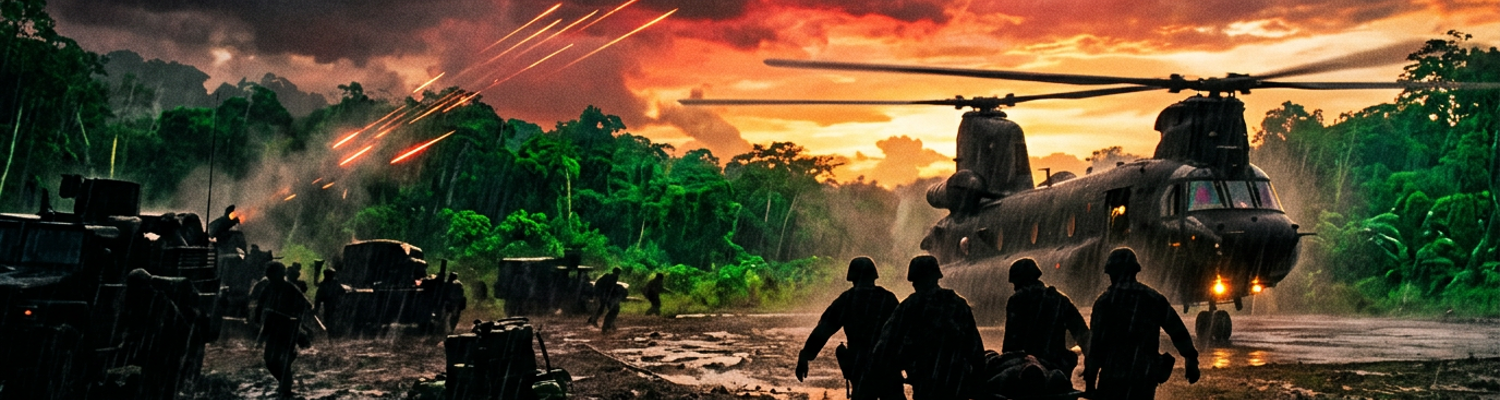
Aeromedical evacuation teams from MAG-16 tracked those drifting clouds of colored smoke, maintaining rapid response flights into unsecured landing zones under intense sniper and small-arms fire to pull mangled casualties off the jungle floor. Helicopter pilots flew low over the canopy, flaring their rotor blades hard to set down in rough clearings barely wider than their rotor arcs. Enemy riflemen opened fire from hidden spider holes at the tree lines, punching bullet holes through the thin metal skin of the cabins and shattering cockpit windscreens as the wheels touched down. Crew chiefs jumped onto the rear cargo ramps to grab litter handles, hauling wounded Marines inside while door gunners emptied long belts of ammunition from heavy machine guns to suppress the ambush positions. In-flight corpsmen worked on their knees across the vibrating cargo floor, pumping manual suction devices to clear blood from obstructed throats and hanging plastic bags of normal saline from overhead cables. Pilots lifted off immediately after the last casualty cleared the ramp, banking the aircraft hard over the river valleys to evade incoming rocket-propelled grenades before speeding eastward toward the coastal medical facilities.
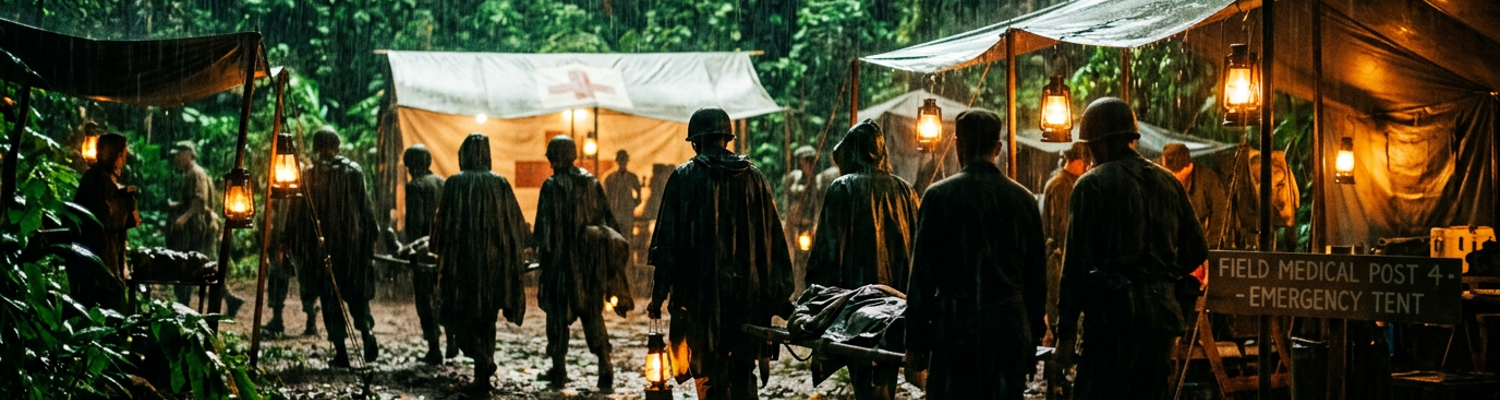
Battalion aid stations managed physical exhaustion and the acute psychological strain experienced by riflemen designated as the last combat contingent in Vietnam as those emergency flights touched down along the coast. Medical officers and hospital corpsmen worked around the clock under dim electric bulbs, cutting away filth-encrusted utility uniforms to treat advanced fungal infections, dysentery, and deep skin ulcers caused by weeks of wading through foul swamp water. Infantrymen brought in from the perimeter outposts often showed no physical puncture wounds but sat completely motionless on wooden benches, their bodies trembling from days without sleep and their minds burdened by the terrifying realization that they were the very last American ground troops left to take casualties. Frontline riflemen knew that thousands of their fellow Marines had already boarded transport ships for home, making every incoming mortar barrage an agonizing risk to endure during the final hours of the withdrawal. Corpsmen administered oral hydration salts and warm broth to revive exhausted patrol leaders, while doctors spoke quietly with hyperventilating young Marines to calm their racing pulses before combat fatigue turned into complete nervous breakdown.
Physicians cleared stabilized infantrymen for light duty after several hours of mandatory sleep, refusing to evacuate men with combat fatigue to rear hospital ships unless their symptoms completely incapacitated them. Platoon sergeants arrived at the bunker doors to collect their recovered riflemen, handing them fresh bandoliers of ammunition and full canteens before marching them back out to the defensive wire. Freshly bandaged walking wounded insisted on returning to their squads, refusing to leave their comrades alone in the sandbagged bunkers while enemy rocket teams still roamed the surrounding foothills. Corpsmen repacked their canvas aid kits with fresh rolls of gauze, sterile burn dressings, and replacement morphine syrettes, checking inventory lists under the glow of red-lens flashlights. Rifle squads stepped back out into the humid night air, taking up their positions behind sandbag parapets to keep watch over the silent patrol corridors until morning light broke over the staging yards.
Logistics Consolidation and Staging at Camp Books
Force Logistic Command personnel greeted incoming transport convoys as that morning light expanded across the Da Nang lowlands, taking custody of the equipment pulled from frontline defensive positions. Logistics battalions processed thousands of military vehicles, artillery pieces, and heavy engineering assets through the staging yards at Camp Books. Marine drivers backed five-ton cargo trucks, utility vehicles, and heavy road graders into tightly aligned rows across the sun-baked dirt lots. Mechanics drained contaminated fuel tanks, patched leaking radiator hoses with scrap rubber, and unbolted worn track shoes from damaged armored personnel carriers to make the machinery mobile enough for transport. Frontline medical personnel assigned to the staging camp tended to mechanics suffering from severe heat exhaustion and chemical burns, wrapping blistered hands in sterile petroleum gauze as midday temperatures climbed past one hundred degrees. Crowded holding areas rapidly filled with long lines of olive-drab machinery, creating a vast parking grid that stretched across the compound toward reinforced perimeter berms.
Ordnance disposal specialists and technical contact teams moved directly into that vast parking grid to conduct systematic demilitarization, maintenance checks, and ammunition segregation under high-security perimeters. Demolition technicians climbed through vehicle cabs, tool lockers, and artillery breeches to extract forgotten smoke grenades, loose rounds of machine-gun ammunition, and unexpended illumination flares left behind by infantry units. Armorers used cutting torches and heavy sledges to weld gun barrels shut or strip tactical radio mounts from trucks designated for commercial salvage or transfer to South Vietnamese units. Guard details patrolled the perimeter wire with loaded rifles and leashed sentry dogs, watching the nearby brush for infiltrators trying to steal weapons or plant explosive charges among the stacked cargo pallets. Medics stood near the ammunition breakdown areas with burn dressings and eye irrigation kits, keeping clear of the sandbagged blast bunkers where specialists separated deteriorating white phosphorus mortar shells from stable crates of rifle cartridges.
United States Department of Agriculture washdown inspectors took control of each demilitarized machine the moment ordnance personnel cleared the cargo beds and cabs of explosive hazards. Federal inspectors enforced stringent decontamination protocols on all retrograded vehicles and containers prior to deepwater dock embarkation. Work details composed of tired Marine infantrymen operated high-pressure water monitors around the clock, blasting crusted red mud, dry brush, and insect nests out of undercarriages, wheel wells, and engine compartments. Technicians crawled beneath heavy chassis on wheeled mechanic creepers, using handheld mirrors and angled flashlights to check suspension springs and differential housings for traces of Vietnamese dirt. Supervisors rejected any container or truck carrying stray seeds, insect larvae, or sticky clay, sending crews back to the wash pads with stiff wire brushes and buckets of solvent until every metal surface was completely clean.
Convoys of spotless trucks and sealed steel containers rolled out through the southern exit gate of Camp Books as soon as inspectors stamped their agricultural clearance documents. Marine drivers navigated the narrow coastal roads toward the deepwater piers at Da Nang harbor, staying within armed escort columns to deter sniper fire from riverside villages. Harbor cranes swung heavy cable slings around the axles of sanitized trucks, lifting the vehicles over cargo ship coamings and setting them into the cavernous lower holds of civilian freighters and naval transport ships. Deck hands lashed each piece of rolling stock to steel deck rings using heavy chains and turnbuckles, securing the brigade assets for the long ocean voyage across the Pacific.
Final Operational Cease-Fire and Brigade Embarkation
Steel cargo hatches slammed shut over those secured vehicles as brigade signal officers transmitted final cease-fire orders across the Da Nang enclave. All offensive ground and air combat operations for the 3d Marine Amphibious Brigade officially ceased on 7 May 1971. Marine riflemen pulled ammunition magazines from their rifles, cleared firing chambers, and dropped unexpended illumination flares into collection bins outside their squad shelters. Attack pilots shut down the turbojet engines of their aircraft inside concrete revetments, climbing down ladder rungs without flight gear to help ground crews push rocket trailers into storage hangars. Corpsmen inside battalion aid stations wiped dried mud from plastic cots, repacked their canvas trauma satchels into wooden crates, and bandaged minor skin infections instead of traumatic blast wounds as an unusual silence spread across the frontline bunkers.
Riflemen of the South Vietnamese regional forces walked into those silent frontline bunkers alongside Marine guides to assume formal control of each fortified sector. Remaining Marine ground battalions transferred installations to regional forces and embarked aboard amphibious transport docks and sealift vessels in Da Nang harbor. Marine combat engineers handed over diesel generators, rolls of concertina wire, and master keys to reinforced ammunition lockers, pointing out registered defensive artillery targets and minefield markers to the arriving local commanders. Transport trucks carried the relieved Marine rifle companies down coastal access routes to the harbor facilities, where flat-bottomed utility craft ferried hundreds of soldiers across the bay. Corpsmen helped walking wounded and exhausted infantrymen climb the exterior ladder nets of the amphibious transport docks, guiding men directly to shipboard sickbays where naval doctors handed out clean clothing and hot food. Troops stacked their salt-stained combat packs on the lower vehicle decks, watching the distant shoreline through open cargo ports while deck winches hauled the loading ramps out of the water.
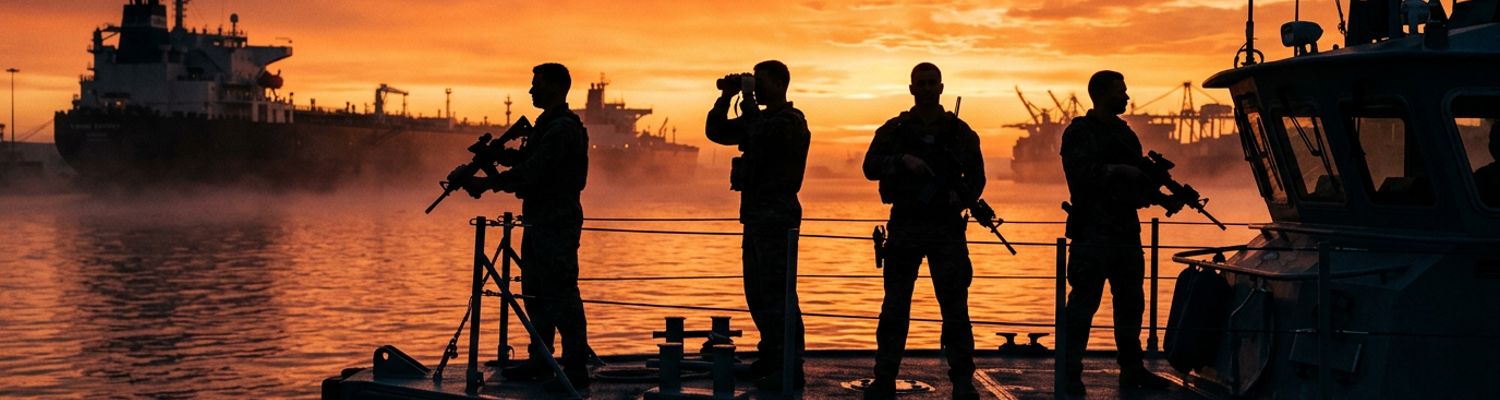
Tugboats guided the gray transport hulls into the harbor channel once those sealed loading ramps locked against the ship hulls. Brigade rear-echelon coordinators and logistics teams stayed behind on the concrete docks to process the final support detachments, audit supply manifests, and coordinate remaining cargo movements. The brigade completed its primary redeployment by late June 1971, concluding major Marine Corps ground combat involvement in the Vietnam War. Frontline medical officers and hospital corpsmen took down the last canvas aid stations on the beach, loading surgical tables, field autoclaves, and blood storage chests onto utility lighters tied to the wooden piers. Marine headquarters officers signed final property transfer receipts in the harbor master office, locked the administrative trailers, and boarded the last naval patrol launch waiting at the water steps. Twin diesel engines throttled forward as the launch crossed the harbor basin toward the flagship, leaving the docks behind under the sole guard of South Vietnamese sentries.