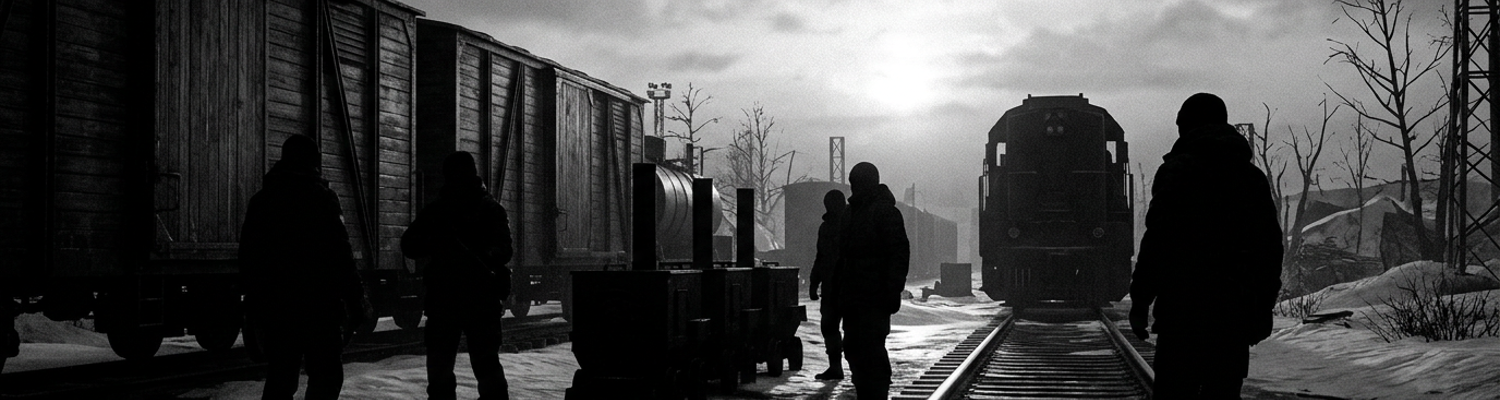

Demobilization Directives at Is-sur-Tille Depot
Four hundred thousand 75mm high-explosive artillery shells rested in open-air timber cribs alongside seventy thousand 155mm Schneider howitzer projectiles. Stockpiles extended across six square kilometers of muddy terrain at Intermediate Section Supply Depot No. 1 in Cote-d'Or, France. Three million rounds of .30-06 Springfield ammunition sat crammed inside unheated wooden warehouses next to crates of phosgene gas canisters and heavy trench mortar bombs. Supply trains from the Atlantic ports of Saint-Nazaire and Brest dumped twelve thousand tons of explosive material and military gear into the depot grid every twenty-four hours. This accumulation of explosive power turned the rail yard into the primary supply depot for American operations in France.
A catastrophic fire in these yards would instantly erase the entire complex.
When examining the historical record of January 1919, post-Armistice demobilization initiated at the Is-sur-Tille logistics hub disrupted every standard operating procedure. Over twenty-four thousand troops moved through the camp daily. This volume created immediate bottlenecks across eighty-four miles of internal trackage. Unit commanders abandoned unit discipline while waiting for return shipping orders. Enlisted work crews from the 23rd Engineers and the 508th Engineer Service Battalion struggled to sort returning field gear under constant rain and freezing slush. Equipment piled up without shelter. Inventory records dissolved in wet mud while thousands of exhausted soldiers scrambled for hot rations in overcrowded mess lines. Operational logs from the Intermediate Section indicate that demobilization orders stripped away technical supervisors. Basic depot management fell to undertrained fatigue details.
Raw physical exhaustion defined every shift.
Archival evidence shows Quartermaster Corps directives caused severe confusion over M1909 field range disposition throughout February 1919. Headquarters Services of Supply issued Circular Number 13. This document instructed depot quartermasters to salvage all heavy cooking equipment for shipment back to the United States. Local supply officers simultaneously received verbal instructions from base section inspectors to scrap worn iron components to clear rail lines for troop transports. The M1909 field range was a complex piece of hardware weighing over two hundred pounds. It featured a sheet-steel outer cabinet, cast-iron top plates, internal bake ovens, and twin pressurized liquid naphtha burners. Mechanics had modified hundreds of these ranges in the field with improvised copper tubing and non-standard needle valves to burn poor-grade kerosene. Depot workers lacked written guidance on whether modified units constituted repairable property or scrap metal. Conflicting property accountability forms required quartermasters to account for every brass control valve. Work details dumped damaged ranges into open pits using heavy steam cranes anyway.
Improvised repair attempts increased the physical dangers facing depot personnel.
A close review of operational logs indicates that enlisted crews attempting to clean grease-caked M1909 burner assemblies in enclosed supply bays repeatedly triggered localized flash fires. Pressurized naphtha leaked from corroded fuel lines and soaked unvented wooden floorboards. Drafty canvas tents served as temporary maintenance sheds. Sparks from iron tools ignited volatile gas pockets near open fuel barrels inside these enclosures. The 2nd Pioneer Infantry detachment assigned to guard Warehouses 14 through 18 reported twelve separate stove explosions between January 15 and February 28, 1919. Burning fuel sprayed onto stacked uniform crates. Bay interiors filled with dense white smoke and burning sulfur fumes. Exhausted soldiers beat out flames using wet wool blankets because hand-pumped foam extinguishers had frozen solid in the sub-zero winter temperatures. Fire crews struggled through ankle-deep mud to haul manual water pumps to affected bays. They arrived long after ground crews had used shovels to smother flames under wet coal dust. Repairs proceeded without standardized safety gear. Men inhaled toxic fumes while bleeding air lines under pressure.
Telegraphic Miscommunications in Supply Command
Copper telegraph lines connecting the Services of Supply headquarters at Tours to the depot signal office in Building 12 carried hundreds of conflicting priority cables daily. Signal Corps telegraphers operating Baudot printing systems faced constant line corruption caused by atmospheric moisture along the Marne-Saone canal corridor. Headquarters Services of Supply transmitted Cablegram 4409 to Is-sur-Tille on February 4. This message instructed the depot quartermaster to lock down all high-grade petroleum distillate reserves immediately for naval transport duty at Saint-Nazaire. A separate bureau within the same command headquarters dispatched Cablegram 4417 over French PTT wire circuits four hours later. This second transmission ordered depot staff to release four thousand gallons of refined naphtha to field kitchens preparing hot rations for arriving elements of the 88th Infantry Division. Local Quartermaster Corps clerks halted all fuel transfers at Railhead Grid 4 while operating under threat of court-martial for supply diversion. The conflicting cables sat uncorrected in the central signal bureau for twenty-eight hours. Clerks waited for paper clarification via courier train from Cote-d'Or.
Signals failed across the wire network.
Archival evidence shows these administrative miscommunications paralyzed central mess detachment planning across the entire southern depot sector. Central Mess Detachment No. 6 suspended kitchen operations when fuel allocation ledgers failed to balance. This unit was responsible for feeding twelve thousand transient troops per shift near Siding 14. Mess stewards assigned to the 303rd Water Supply Train and the 116th Supply Train could not determine whether to fire up sheet-metal steam kettles or conserve remaining wood fuel. Perishable beef quarters and dried beans sat idling inside forty unheated French boxcars parked along Track 7. Administrative staff traded contradictory requisition memos nearby. Rations calculated at three-quarters weight were issued to incoming boxcar arrivals without hot liquid coffee or heated canned rations. Ground logs indicate that duty officers from the 508th Engineer Service Battalion attempted to manually hand-carry iron cauldrons to nearby engineer mess tents. Frozen mud and unlit pathways caused crews to drop hundreds of gallons of hot stew into open drainage ditches. Mess officers refused to break open emergency reserve rations stored in Warehouse 9 without clear wire authorizations.
Paperwork accumulated and blocked physical movement in the supply yards.
A close review of operational logs indicates that telegraph operators processed sixty-two conflicting routing slips between February 6 and February 10 alone. Terminal switches at Siding 9 remained locked. Depot yardmasters received two different telegrams regarding the priority placement of coal gondolas versus ration cars. The failure to reconcile telegraphic logs at the Central Records Office meant seven troop trains carrying nine thousand men of the 34th Division sat stranded on open sidings near Selongey. They waited for sixteen hours without hot food. Telegraph clerks eventually abandoned code verification procedures. They stamped incoming wire slips as unverified and dumped unread yellow carbon slips into wooden filing crates inside Depot Headquarters. Maintenance personnel working on the line between Dijon and Is-sur-Tille discovered three separate splice failures. Water had seeped into rubber-insulated casing and corrupted numerical manifest codes into unreadable text.
Premature Shutdown of Central Mess Detachments
Central Mess Detachment No. 4 and Central Mess Detachment No. 6 abruptly extinguished thirty-six active M1909 field ranges and steam-jacketed boiling kettles across the central kitchen complex at Is-sur-Tille in mid-February 1919. Local Quartermaster Corps officers executed premature shutdown orders issued by the Advance Section chief mess inspector on February 11. This inspector mistakenly declared that fuel conservation directives overrode active feeding schedules. Kitchen crews doused burning naphtha lines with wet sand. They dumped hot embers onto frozen gravel and vented pressurized fuel tanks into open air near Railhead Grid 6. Cast-iron grates cracked under sudden thermal shock. Grease traps clogged instantly with congealed lard as cooling water backed up into thirty-gallon iron cauldrons. Archival evidence shows that mess sergeants under the 303rd Water Supply Train ceased operating six modular field ovens at 1400 hours. Hundreds of pounds of half-baked bread dough soured in damp wooden mixing troughs. Maintenance personnel dismantled the main copper fuel headers and severed pressurized burner lines without waiting for the evening mess shift to conclude.
The fires extinguished in the cold.
A close review of operational logs indicates that the shutdown halted all hot food production across the forty-acre transient staging zone within thirty minutes. Disassembled burner control valves and brass pressure gauges were packed into unlabelled wooden shipping crates destined for long-term storage in Warehouse 21. Water lines supplying the central scullery units froze solid in the sub-zero night air without active heat sources. Galvanized iron pipe joints ruptured along Siding 12. Mess stewards attempted to salvage cooked beef stew by transferring heavy iron pots to unheated canvas tents. Open-air exposure reduced internal liquid temperatures below forty degrees Fahrenheit in under twenty minutes. Kitchen details from the 508th Engineer Service Battalion abandoned twenty-four sheet-metal coffee urns along the drainage ditches of Sector B. Gallons of scalding liquid froze into solid block ice. Local supply officers refused to sanction restarting the liquid naphtha burners. Property ledgers had already been stamped closed by base inspectors.
Cold grease coated every iron kettle.
Archival evidence shows this premature shutdown struck precisely as eighteen boxcar troop transports carrying over eleven thousand transient soldiers entered the Is-sur-Tille rail yard between February 12 and February 14. Units from the 88th Infantry Division and the 33rd Infantry Division stepped off unheated French boxcars after thirty-six hours of continuous rail transport through freezing sleet. The arriving soldiers expected hot coffee and cooked meat rations at Central Mess Complex 3. They encountered dark kitchen bays staffed only by skeleton guard details from the 2nd Pioneer Infantry. Mess stewards issued hardtack biscuits and cold canned corned beef directly from cold storage crates stacked along open platform switches. Soldiers attempted to thaw frozen canned meat using pocket knives. Others held sealed tin cans against their bodies under wet wool overcoats. Ground logs from the 313th Machine Gun Battalion record that over four thousand men received no liquid nourishment beyond stagnant water drawn from unheated canvas water bags hanging near Siding 14.
Hunger spread rapidly through the frozen staging bays.
Medical officers reported an immediate surge in acute gastrointestinal illnesses and upper respiratory infections across the staging cantonments during these arrival shifts. Over three thousand transient soldiers bivouacked in unheated conical tents near Track 8. They consumed cold fat grease and unheated tinned meat in zero-degree weather. Widespread dysentery outbreaks triggered within twelve hours of arrival. Infantrymen from the 130th Infantry Regiment attempted to build makeshift bonfires out of pine shipping crates to heat canned rations. Armed yard guards suppressed the fires to protect nearby ammunition stocks in Sector 4. Depot infirmaries processed eight hundred and forty cases of severe exposure and intestinal cramps on the night of February 13 alone. Unit commanders submitted twenty-two formal protests to Advance Section headquarters. The quartermaster staff authorized emergency distributions of dry bread and cold canned salmon at 0400 hours on February 15.
Subzero Conditions in Frozen Rail Yards
Ambient temperatures across the Cote-d'Or logistics corridor dropped to four degrees Fahrenheit on February 16, 1919. This weather event plunged the exposed rail sidings of Is-sur-Tille into a deep freeze. Subzero winter conditions severely affected thousands of troops stranded inside open rail yards across Grid Sectors 3 and 4. Archival evidence shows that mechanical switch mechanisms along Track 11 and Siding 16 seized completely. Groundwater frozen within steel switch boxes locked the throw-levers in place. Rail yard crews from the 511th Engineer Service Battalion attempted to thaw iron rail joints using handheld kerosene blowtorches. High winds blew out the burner jets faster than workers could re-ignite them. Over fourteen troop transport trains carrying elements of the 311th Infantry Regiment and the 310th Field Artillery remained immobilized on open sidings for twenty-two consecutive hours. Enlisted men packed into unheated French wooden boxcars lacked straw bedding or canvas insulation. Moisture from the breath of forty men per car condensed on uninsulated wooden ceilings before dripping back down onto wool overcoats. The fabric froze stiff. Troops attempting to disembark onto ice-sheathed gravel platforms slipped beneath standing boxcars. Compound fractures and severe crush injuries resulted. Stretchers could not easily reach these casualties through the jammed lines of idling freight cars.
Damp wool insulation failed completely once temperatures crossed below freezing.
A close review of operational logs indicates that the total lack of warm food dramatically increased exposure injuries among transient Army personnel moving through the terminal switches. Human physiological responses to subzero cold require continuous caloric intake to maintain core metabolic heat. Transient soldiers went thirty-six hours without receiving a single heated meal or warm beverage. Peripheral blood vessels constricted rapidly without hot coffee or hot stew to elevate core temperatures. This biological reaction cut off circulation to extremities. Medical admission ledgers from Base Hospital No. 85 in Is-sur-Tille show that frostbite and immersion foot cases surged exponentially between February 17 and February 20. Enlisted fatigue crews assigned to clear ice from iron car couplings worked with bare hands after wet cotton work gloves froze solid against cold metal. Skin tore away from palms and fingers when soldiers attempted to pull frozen steel coupling pins apart. Medical officers at Field Hospital No. 28 processed four hundred and twelve soldiers suffering from advanced peripheral necrosis and systemic hypothermia in a single seventy-two-hour window. Over eighty percent of affected personnel had consumed only cold canned corned beef and unheated water prior to collapse.
Cold tin cans offered zero thermal relief to starving men.
Operational reports from the 311th Infantry Regiment detail how company officers attempted to distribute emergency rations directly to boxcars stalled along Siding 18. Quartermaster fatigue details hauled wooden crates of canned pork and beans through ankle-deep frozen slush. The tins had frozen into solid blocks of ice inside their metal casings. Soldiers tried to pry open frozen cans using bayonets. Carbon-steel blades snapped against hardened meat. Attempts to thaw rations by holding sealed tins against bare skin under wool shirts caused localized frostnip on abdomen and chest walls. Command logs show that duty quartermasters refused to issue dry cordwood from the central timber yard near Warehouse 12. Strict property accountability rules reserved hard lumber for shipping crates. Men huddled together on floorboards without fire. They consumed frozen fat chunks that induced severe vomiting spells in over three hundred transient troops.
Base Hospital No. 85 filled its entire emergency ward capacity with six hundred and fifty exposure casualties by midnight on February 19.
Operational Breakdown of M1909 Field Ranges
Hundreds of two-hundred-pound M1909 field ranges lay rusting in open drainage trenches alongside millions of pounds of unissued rations across Supply Sector C on February 20, 1919. Archival evidence shows that fatigue crews from the 508th Engineer Service Battalion dumped forty-eight operational M1909 field ranges into waterlogged mud pits adjacent to Siding 11. Steel cabinet doors and copper fuel headers were left exposed to freezing rain. Quartermaster salvage crews stripped brass needle valves and liquid naphtha pressure gauges from the units before throwing the structural frames onto open ground. Six hundred wooden crates of unissued emergency mess stores lay next to these discarded stove components. These crates contained tinned corned beef hash and hardtack biscuits. Quartermaster officers refused to break open sealed emergency ration cases. Paper manifests listed the inventory as reserve stock designated solely for trans-Atlantic movement back to Saint-Nazaire. Wet canvas tarpaulins covering the stacked ration crates tore open under heavy ice buildup. Rain rotted five tons of dried navy beans and saturated thousands of cardboard cartons containing instant coffee ration packages. Enlisted work details watched ground water submerge thirty-five pressurized naphtha burners. Mechanics had modified these specific burners with non-standard copper fittings during the Meuse-Argonne campaign.
Heavy cranes dragged damaged iron stove frames through ankle-deep mud.
A close review of operational logs indicates that Quartermaster Corps inspectors wrote off ninety-two additional M1909 ranges at Depot Storage Grid 5 as unaccountable property on February 21. Fatigue detachments pulled working iron grates out of bake ovens to use as makeshift traction mats under heavy transport trucks stuck in the frozen clay. Enlisted cooks belonging to the 303rd Water Supply Train had carefully scrubbed those same oven chambers with lye forty-eight hours prior to clear grease deposits. Storage bay floors around Warehouse 19 were littered with disconnected burner assemblies and unused cans of lard. Six thousand pounds of dehydrated potatoes sat inside unheated brick warehouses less than fifty yards from the junk piles. Strict accountability protocols prevented depot quartermasters from transferring food stocks to field units without written clearance from Tours headquarters.
Telegraphic shutdown orders reached the central kitchen complex while steam still rose from thirty-gallon boiling kettles.
Unit cooks from the 116th Supply Train and the 313th Machine Gun Battalion received direct verbal commands from Advance Section mess inspectors to cease all food preparation immediately at 0500 hours on February 22. Kitchen crews were forced to douse active coal fires and bleed off pressurized naphtha fuel lines. Eleven incoming troop transport trains carrying fourteen thousand soldiers of the 88th Infantry Division pulled onto Track 4 and Track 7 at that exact moment. Duty sergeants ordered cooks to extinguish iron stove burners mid-cycle. Eight hundred gallons of half-cooked beef stew spoiled inside cold copper cauldrons. Mess personnel unbolted copper supply headers and stacked cold cast-iron lids against tent poles. Arriving soldiers disembarked into nineteen-degree cold and lined up outside Central Kitchen 2 holding tin mess kits. They encountered extinguished fires and locked food distribution counters. Inspectors stationed guards from the 2nd Pioneer Infantry at kitchen entrances to enforce the shutdown order. They threatened mess sergeants with immediate court-martial if they struck matches or opened unissued ration crates.
Four thousand hungry soldiers sat on frozen gravel beds outside Depot Kitchen 4 by noon.
Humanitarian Crisis Among Displaced War Refugees
Over three thousand displaced French war refugees and local civilians gathered along the frozen wire perimeters of Intermediate Section Supply Depot No. 1 at Is-sur-Tille in late February 1919. Archival evidence shows that displaced families concentrated around Grid Sectors 3, 4, and C. Perimeter security fences abutted the departmental road leading to Marcilly-sur-Tille in these areas. Temperatures hovering between four and twelve degrees Fahrenheit forced destitute non-combatants to assemble in unheated wooden huts and makeshift canvas lean-tos outside the northern barbed-wire boundary. Armed sentries from the 2nd Pioneer Infantry and military police detachments of the 88th Division patrolled the six-kilometer chain-link enclosure. Their orders required them to prevent unauthorized civilian entry into military storage yards. Open-air supply stacks and discarded equipment piles drew hungry locals. They watched Quartermaster Corps fatigue details dump hundreds of pounds of spoiled food rations into unmonitored perimeter drainage trenches. Local French authorities at Cote-d'Or submitted seventeen formal administrative appeals to American base command. They requested emergency ration allocations for civilians stranded without coal or bread. Advance Section Headquarters denied all civilian distribution requests on February 21. They cited strict War Department property regulations that restricted Army rations exclusively to uniformed personnel. Security forces established double-guard posts along Switch Line 8 to repel crowd surges near the central storage bays.
Cold mud along the perimeter wire froze into jagged ridges that cut through worn leather boots.
A close review of operational logs indicates that starving non-combatants attempted to scavenge food from quartermaster waste pits located behind Depot Kitchen 4 and Railhead Grid 6 between February 22 and February 26. Groups of twenty to thirty civilians crawled under loosened strand wire into six-foot-deep refuse trenches under cover of darkness. Fatigue crews from the 508th Engineer Service Battalion had discarded unsalvageable provisions in these exact locations. These refuse trenches contained tons of spoiled raw beef and congealed pork grease. Rusted tin cans of corned beef lay buried in the dirt. Quartermaster inspectors had condemned these stores following the premature kitchen shutdowns. Starving men and women used wooden spoons and bare hands to dig through layers of frozen ash and wet coal dust to extract discarded meat tins. Guard logs from the 313th Machine Gun Battalion record that sentries fired forty-five warning shots into the air on the night of February 24. This action dispersed civilians scrambling over garbage heaps near Siding 11. Scavengers exposed to contaminated grease and rotting animal protein suffered severe cases of food poisoning and bacterial dysentery. Local French medical posts in Selongey treated forty-eight civilian casualties in forty-eight hours. Quartermaster officers responded by ordering work crews to pour heavy coats of chlorinated lime and motor oil over all remaining waste pits.
Chlorinated lime turned six tons of scavenged lard into toxic gray slurry inside the open drainage ditches of Sector C.
Operational reports from the 303rd Water Supply Train document escalating clashes between military guards and starving civilians along the southern rail sidings on February 27. Enlisted guard details stationed at Gate 4 were doubled after fifty civilians breached the outer fence to seize discarded wooden ration crates for fuel. Guard crews used fixed bayonets to push women and children back across the frozen mud of the drainage ditches. They secured the perimeter only after locking down all access roads to Railhead Grid 4. Quartermaster clerks continued logging condemned stores on official property ledgers. French gendarmes established secondary checkpoints two hundred yards outside the American perimeter to intercept fleeing scavengers. Operating logs from the Advance Section Quartermaster Office record that three thousand pounds of spoiled flour and twelve hundred tins of rancid salmon were burned under armed guard in open iron incinerators behind Warehouse 18 by March 1, 1919.
Lethal Clashes at Quartermaster Waste Pits
Tension along the four-mile perimeter wire of Intermediate Section Supply Depot No. 1 reached a breaking point on March 1, 1919. Archival evidence shows Advance Section Order 42 required twenty-four-hour live-fire perimeter guards around open waste pits behind Depot Kitchen 4 and Grid Sector C. Sentries drawn from the 2nd Pioneer Infantry stood posts in sub-zero winds with frozen M1903 Springfield rifles. Congealed cosmoline grease jammed bolt mechanisms during routine safety checks. Fatigue details from the 508th Engineer Service Battalion had dumped forty tons of condemned meat and rancid lard into four-foot-deep drainage trenches along the Selongey road. This created an open magnet for starving non-combatants.
Sentries operated on four-hour sleep cycles inside unheated guard huts.
Exhausted U.S. Army sentries clashed directly with desperate civilian scavengers attempting to extract condemned canned beef from deep refuse pits behind the main kitchen line. Archival evidence shows that local quartermaster officers ordered guards to use rifle butts and fixed M1905 bayonets to beat back crowds of up to eighty non-combatants scrambling over frozen dirt mounds at 0200 hours on March 1. Ground logs from the 313th Machine Gun Battalion record that tired soldiers lost physical control of perimeter sectors. Civilian groups used iron wire-cutters to breach the double-apron barbed-wire fence at Grid Sector C. Physical brawls erupted in the frozen sludge as guards tried to seize burlap sacks filled with discarded tins. Sentries hit scavengers with shovel blades and gun stocks. Base hospital logs note that fifteen civilians and four American sentries suffered severe concussions and deep puncture wounds during hand-to-hand fights along the drainage ditches of Switch Line 8.
Depot command refused to increase guard rations.
A close review of operational logs indicates that lethal gunfire erupted in the frozen rail yards during nighttime security patrols between March 2 and March 4, 1919. An eight-man security detail from the 508th Engineer Service Battalion patrolling Track 14 spotted human movement near a string of thirty unheated boxcars loaded with condemned emergency rations at 0315 hours on March 3. Sentries operated under Advance Section Standing Order 88. This directive authorized lethal force against unauthorized figures moving within twenty yards of rail switches. Sentries discharged seventeen rounds of .30-06 Springfield ball ammunition from their service rifles into the pitch-black yard. High-velocity bullets ricocheted off icy steel rail couplings and iron car wheels. The rounds struck three French civilians attempting to haul wooden ration crates across Siding 18. Two scavengers died instantly on the frozen ballast from thoracic gunshot wounds. A third sustained a shattered femur before bleeding to death near Switch Box 9.
Blood froze solid on the iron rails before medical corpsmen reached the switch point.
Subsequent night patrols along Railhead Grid 4 involved rapid weapon discharges on March 4. Jumpy sentries mistook loose horses and wind-blown canvas for insurgent scavengers. M1909 machine gun crews attached to the 88th Military Police Company fired two hundred rounds across open drainage ditches when shadows moved along the timber stacks at Siding 12. Command reports submitted to Tours headquarters listed the casualties as unauthorized intruders. Investigators closed all official files without filing formal court-martial charges against the sentries involved. Patrol shifts were increased to six-man squads armed with loaded shotguns. Fatigue crews covered the bodies with heavy canvas tarpaulins alongside Track 11 until French gendarmes arrived at 0800 hours.
Administrative Aftermath of the Logistics Failure
Paper trails replaced wire transmissions as investigators moved into the frozen depot yards in March 1919. The Quartermaster Corps initiated formal boards of inquiry to dissect the total collapse of telegraphic and administrative supply communications between Tours and Is-sur-Tille. Major General James Harbord ordered the Inspector General Department to convene a special investigative body inside Building 12 at Intermediate Section Supply Depot No. 1. Archival evidence shows inspectors subpoenaed over eight hundred physical cablegram carbons and rail switch manifests generated by the Central Records Office between February 1 and March 5. Board members systematically scrutinized the physical failure of Signal Corps copper circuits along the Marne-Saone canal. Moisture condensation corrupted Baudot printing codes and caused Cablegram 4409 to directly contradict Cablegram 4417. Testimony taken from Signal Corps operators in Dijon revealed that clerks processed sixty-two conflicting routing slips in a single five-day span. Two thousand yellow carbon slips sat unread in wooden filing crates. Operational logs from the 508th Engineer Service Battalion and the 303rd Water Supply Train proved that local quartermaster clerks had halted all petroleum transfers at Railhead Grid 4 out of fear of court-martial. This administrative paralysis directly stranded seventy-four thousand hot ration allowances across Siding 12 and Track 14.
Investigative officers documented three thousand dead-letter telegraphic transfers inside six unheated wooden storage sheds near Depot Headquarters.
A close review of operational logs indicates that these formal inquiries directly forced the War Department to overhaul post-war demobilization protocols. Revised regulations issued by the Office of the Quartermaster General in late 1919 stripped remote regional headquarters of absolute authority over basic feeding operations at major rail junctions. Field officers revised the AEF Manual for the Quartermaster Corps. The new manual granted local depot mess stewards direct emergency release authority over reserve ration stocks whenever transient troop numbers exceeded base kitchen capacity by twenty percent. Local supply officers no longer needed telegraphic confirmation from Tours headquarters to break open emergency reserve warehouses or ignite backup M1909 field ranges under the updated directives. Maintenance protocols for field ranges were completely restructured. The new rules banned improvised copper tubing modifications and required standardized brass fuel-line couplings equipped with pre-tested low-temperature synthetic gaskets. Central kitchen units at high-density staging depots were designated as permanent installations. Regional inspectors were prohibited from shutting down active boiling kettles until the last transient boxcar cleared the yard switches.
General Staff Circular 81 codified the decentralized feeding authority on November 14, 1919.
Operational records from the War Plans Division show that updated staging tables mandated three days of self-contained iron rations for all demobilizing infantry regiments prior to rail shipment. Depot quartermasters at Saint-Nazaire and Brest installed fixed boiling cauldrons along all transit platforms. They ensured liquid rations remained available regardless of telegraph outages.