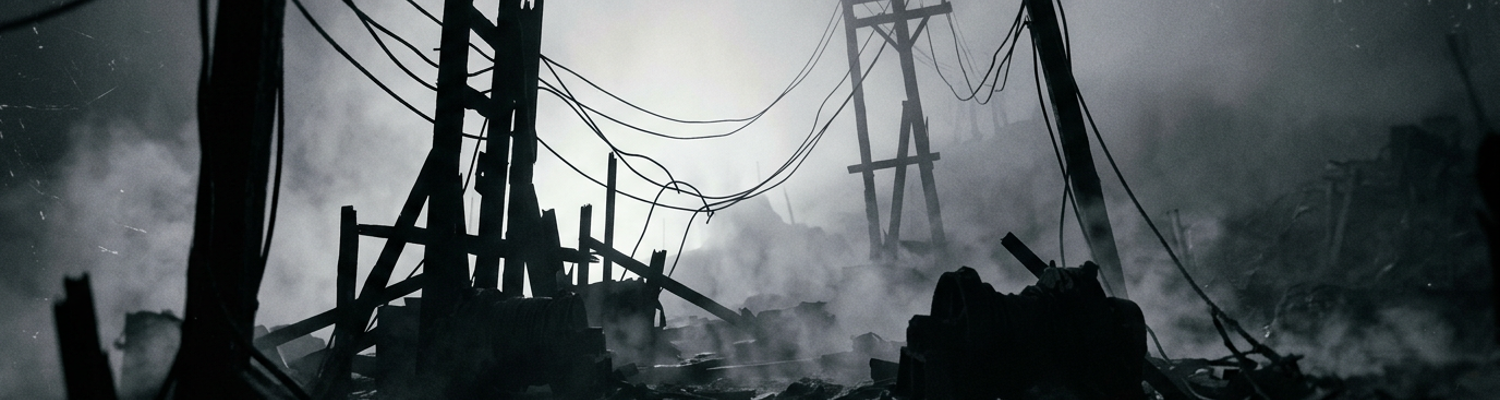

Vosges Sector Operations of the 35th Division
On June 30, 1918, American Expeditionary Forces planners handed Major General William M. Wright an impossible mandate. They demanded full frontline deployment of his units within seventy-two hours. Archival evidence shows this timeline failed basic mathematical models before the first train departed the staging areas. The 35th Division received orders to relieve French holding forces in the Vosges sector. This highly elevated stretch of the trench line divided France and German-held Alsace. The command staff of the 69th Brigade oversaw the 138th Infantry Regiment. They received their movement orders with only a fraction of requested transport vehicles available. French Seventh Army officers flatly refused to alter pre-existing rail manifests to accommodate the sudden American influx. General Wright and his staff fought a two-front bureaucratic conflict against the Allied high command at Chaumont and local French sector commanders.
The American officers wanted immediate control over their designated sub-sector at Gerardmer.
French commanders insisted on a phased integration that kept all supply depots under strict French jurisdiction.
They had exactly forty-one hours remaining before the scheduled assault.
Quartermaster manifests confirm the 69th Brigade arrived at the railheads in Wesserling in complete disarray. Train cars carrying the 138th Infantry Regiment were separated from their heavy machine gun detachments by over forty miles of track. A scheduling dispute between American quartermasters and French rail operators caused the delay. The infantrymen marched out of the stations and hit the base of the Vosges mountains. They carried sixty-pound packs up muddy switchbacks. French liaison officers failed to provide the promised motorized transport. Inter-service friction dominated every hour of the ascent. American company commanders demanded access to French reserve ammunition caches located along the route. French supply sergeants demanded written authorization from division-level headquarters. This left American troops marching toward an active combat zone with only their standard issue rifle clips.
Every rifle company operated at a severe supply deficit.
The primary supply route feeding the 138th Infantry positions centered on the Bonhomme Pass. This specific geographical feature sat at an elevation of 949 meters. It featured 45-degree rock faces and dense pine forests. Standard horse-drawn supply wagons could not navigate the steep alpine networks along the French frontier. The forward line depended entirely on a network of aerial cableways. French engineers called these systems telepheriques. These systems bridged the jagged ravines separating the rear supply dumps from the forward trench networks. An examination of the mechanical schematics reveals a fragile system highly susceptible to failure. The primary cableway at Bonhomme Pass utilized a continuous 16-millimeter steel traction cable suspended across wooden pylons bolted directly into the granite. The tension on the primary cable exceeded 15,000 pounds during standard operations. Steam-driven winches located at the base station hauled wooden cargo buckets up a 600-meter vertical incline.
The machinery required constant lubrication and exact load balancing.
Bureaucratic ego severely compromised the physical mechanics of this supply chain. French engineering detachments maintained operational control over the winch engines. They adhered to a strict load limit of 250 kilograms per bucket to preserve the main traction cable. American supply officers from the 35th Division ignored these parameters entirely. The 138th Infantry required a daily minimum of 12,000 pounds of material to sustain combat operations. They consistently loaded the wooden buckets with 400 kilograms of artillery shells and heavy rations. They demanded faster turnaround times from the French operators. When the French engineers halted the winches to protest the overloading, American officers threatened them with military arrest. The excess weight placed severe stress on the iron bullwheels guiding the cable at the summit station. The constant friction degraded the steel cable strands at a rate far exceeding the French maintenance schedules. On the morning of August 12, the primary winch engine at the lower Bonhomme station registered a sudden drop in steam pressure. The boiler valves clogged with unrefined coal dust.
Inter-Service Disputes Over Narrow-Gauge Railway Design
The narrow-gauge rail network connecting the Wesserling supply depots to the lower Bonhomme cableway station became a primary zone of bureaucratic conflict. Military tribunal records show severe bickering between the French Direction des Chemins de Fer de Campagne and the US Army 108th Engineers. French railway directors commanded a highly specialized fleet of 60-centimeter Decauville light rail cars designed specifically for the alpine terrain. Major Thomas Cavanaugh commanded the forward elements of the 108th Engineers. He demanded full operational control over these train sets to directly supply the 138th Infantry. French officers flatly denied this request. They cited strict regulations governing the maximum axle load permitted on the mountain tracks. Every crate required weighing and logging by French quartermasters. American combat engineers responded to this paperwork bottleneck by physically seizing three steam locomotives at the Fraize marshaling yard on August 14. French military police arrived within the hour with fixed bayonets to block the tracks.
A complete halt in artillery shipments lasted for fourteen hours.
Disagreements regarding gauge standardization and track alignment along the mountain ledges escalated the inter-service tension. The primary rail spur approaching the Bonhomme Pass ran along a limestone shelf above a 400-foot vertical drop near coordinate 48.16 N, 7.03 E. French engineers originally laid this track using a 60-centimeter narrow gauge. They incorporated sharp 15-degree curves to hug the natural granite contours. American engineering units found this alignment incompatible with the modified flatcars they brought from the coastal ports. The 108th Engineers initiated an unauthorized project to widen the turning radiuses. They blasted away sections of the rock face and shifted the steel ties outward. French railway directors immediately ordered a halt to the demolition. They argued the American modifications compromised the structural integrity of the stone ledges supporting the entire railbed.
The altered railbed lacked sufficient rock ballast to support heavy rolling stock.
When examining the historical record, the consequences of this unauthorized track alignment materialize in the operational logs of August 15. American supply officers loaded four widened flatcars with 8,000 pounds of Stokes mortar rounds and dispatched them up the newly modified ledge. Approaching the realigned curve, the train exceeded French safety mandates regarding speed limits on the ascent. The wider stance of the American-modified axles bound against the narrow-gauge rails. Extreme lateral friction sheared the iron retaining spikes directly out of the wooden ties. Pressure from the heavy flatcars bowed the outer rail over the cliff edge. Derailing entirely, the lead locomotive tore up thirty meters of track before crashing into a jagged granite outcropping. This incident completely severed the only rail link between the rear supply dumps and the Bonhomme cableway base station. French railway directors refused to dispatch their repair crews to fix the damage. They demanded the 108th Engineers restore the original track alignment using their own limited supply of steel rails.
American troops spent the next three days manually carrying mortar crates up the damaged rail line.
Bickering between the allied engineering detachments paralyzed the forward supply chain just as the 138th Infantry exhausted their remaining combat rations. French commanders at the regional headquarters in Gerardmer formally petitioned Chaumont to court-martial Major Cavanaugh for the destruction of allied infrastructure. American divisional staff retaliated by drafting official complaints. They accused the French railway directors of deliberate sabotage through bureaucratic obstruction. The 108th Engineers attempted to lay standard American tracks over the ruined Decauville lines to bypass the French equipment entirely. They quickly discovered their standard cross-ties extended too far off the mountain ledge. The outer rails hung over empty space. Structural limitations of the Vosges terrain physically prevented the implementation of standard American rail doctrine. Platoon commanders of the 138th Infantry found their units cut off from motorized or rail-based resupply. Down the mountain, the lower cableway station sat idle with its boiler valves clogged and its primary feed tracks reduced to splintered wood and twisted iron.
Engineering Flaws in Mountain Cableway Construction
Archival evidence shows the construction of the primary supply node at Bonhomme Pass required drilling directly into exposed granite at an elevation of 949 meters. French engineers from the 7th Army designed the base station using locally felled European pine to construct heavy timber revetments. These wooden structures anchored the steam-driven tramway winches to the mountainside. The 108th Engineers arrived on August 16 to take over the assembly process. They brought American-manufactured dual-cylinder steam engines designed to pull much heavier loads than the French specifications allowed. The original blueprints called for 12-inch by 12-inch pine beams secured with 40-millimeter iron bolts to absorb the rotational torque of the cable drums. American mechanics found the French bolt holes misaligned with the steel mounting plates of their winches. They drilled secondary holes into the timber revetments. This weakened the structural integrity of the wood. The steam boilers required constant water feed and coal stoking to maintain an operating pressure of 120 pounds per square inch.
The structural math did not account for American supply quotas.
A review of operational logs indicates the friction between the engineering units escalated during the first operational test. French liaison officers demanded a maximum load of 250 kilograms per cableway bucket to prevent the winches from tearing the timber revetments out of the rock. American supply officers from the 138th Infantry Regiment ordered their men to load 400 kilograms of small arms ammunition into each wooden carrier. The American steam engines possessed the horsepower to haul the extra weight up the 45-degree incline. The wooden anchoring system lacked the shear strength to withstand the increased cable tension. During the second hour of operation, the primary winch base shifted violently on its mounts. The movement sheared three iron retaining bolts and cracked the main pine support beam straight down its center.
Boiler operators ignored the mechanical vibrations and kept shoveling coal.
The physical layout of the lower transfer station created an immediate bottleneck due to incompatible narrow-gauge track connections between French and American infrastructure. The 108th Engineers built their heavy timber loading platforms based on the dimensions of American standard-issue flatcars. The tracks approaching the cableway base belonged to the French Decauville 60-centimeter light rail network. While the rail width matched, the American rolling stock featured wider steel wheel flanges and a lower undercarriage clearance. French rail cars sat higher on their axles and navigated the tight turns into the loading depot with ease. American cars violently scraped against the wooden platform edges. The transfer point required precise alignment so the steam-driven hoists could lift cargo nets directly from the rail cars into the cableway buckets. The wider American cars could not physically enter the final fifty meters of the siding without binding against the French switch points.
Supply crates piled up in the mud outside the transfer shed.
Attempting to force a solution, an American engineering lieutenant ordered his platoon to rip out the French track connections leading to the main winch platform. They attempted to splice American rail sections directly into the French iron ties using mismatched steel spikes. The American rails featured a thicker web and wider base. The spikes failed to seat properly into the French tie plates. The resulting track joint featured a one-inch lateral gap between the rail heads. French railway directors discovered the unauthorized modification on August 17 and ordered their locomotive crews to halt all deliveries a mile down the mountain. American quartermasters responded by manually pushing a loaded 600-pound flatcar over the spliced connection. The wider wheel flange caught the lip of the misaligned French rail.
The axle snapped entirely under the weight of the mortar rounds.
The derailed flatcar slammed directly into the weakened timber revetments supporting the secondary steam winch. Splintering on impact, the cracked pine beam dropped the boiler mounts by six inches. High-pressure steam vented into the transfer shed as the main feed pipe ruptured at the valve joint. Seven tons of artillery shells sat stranded on the jammed track section. French military police set up a cordon around the damaged rails and refused to let the 108th Engineers touch the remaining Decauville equipment. Without mechanical tension, the primary cableway traction loop sagged into the pine canopy.
Major Dwight F. Davis Inspection at Bonhomme Pass
On the morning of August 18, 1918, Major Dwight F. Davis arrived at the forward command posts of the 69th Brigade. He conducted a full mechanical and tactical audit of the failing Vosges supply network. A review of operational logs indicates his primary directive involved monitoring front-line operations for the 138th Infantry Regiment as they struggled to hold the trenches above the Bonhomme Pass. Davis bypassed the standard divisional checkpoints and climbed directly to the upper cableway station at an elevation of 949 meters. He carried a set of standardized engineering ledgers to document the specific points of failure paralyzing the American logistics chain. French military police initially blocked his access to the primary steam winch platform. They cited a jurisdictional dispute over the damaged Decauville rail cars scattered down the mountainside. Davis ignored the French sentries and walked directly into the transfer shed to inspect the cracked pine revetments supporting the main traction loop. The dual-cylinder steam engines brought by the 108th Engineers sat completely idle while high-pressure steam leaked from a patched feed pipe. American mechanics had attempted to seal the ruptured iron valve joint using canvas strips and copper wire. The internal boiler pressure blew the improvised seals out every twenty minutes.
The 138th Infantry Regiment possessed exactly four hours of reserve ammunition.
Archival evidence shows Davis spent the next two days rigorously documenting the mechanical strain on the mountain supply lines and the resulting inter-service paralysis. He focused his inspection on the 16-millimeter steel traction cable suspended across the granite ravines. French engineering doctrine dictated a strict 250-kilogram weight limit per wooden cargo bucket to prevent excessive friction on the iron bullwheels guiding the cable. Davis recorded that American supply officers routinely ignored this parameter. They loaded up to 400 kilograms of heavy artillery shells into each carrier to meet their daily 12,000-pound supply quotas. The excess weight caused the primary cable to sag deeply between the wooden pylons. As the heavy buckets approached the summit station, the steep entry angle forced the iron bullwheels to grind laterally against the steel cable strands. Davis counted fourteen separate locations where the outer steel wire wraps had sheared completely off the main cable core. French engineers refused to conduct maintenance on the degraded sections. They argued the American overloading practices voided their operational agreements. American quartermasters responded by threatening to seize the French repair depots at Wesserling by armed force.
Individual steel strands snapped audibly as the winch drums turned.
When examining the historical record, the specific findings in the inspection logs expose a complete breakdown in allied communication. Davis walked the length of the narrow-gauge rail spur connecting the lower Bonhomme station to the French marshaling yards. He observed the shattered remains of the 60-centimeter Decauville flatcar that had snapped its axle on the misaligned American track splice the previous day. French railway directors demanded the 108th Engineers immediately halt all track modification projects and pay for the destroyed rolling stock before any new deliveries would be authorized. Major Davis found the forward elements of the 69th Brigade attempting to bypass this bureaucratic blockade by organizing manual carrying parties. Infantry platoons were pulled out of the active trench lines to hike down the 45-degree muddy switchbacks. They strapped sixty-pound crates of Stokes mortar rounds to their backs and climbed the granite ledges on foot. This manual labor depleted the combat effectiveness of the front-line units while the mechanical infrastructure sat deadlocked in jurisdictional arguments. Down in the valley, French rail operators uncoupled three train cars loaded with American winter rations and left them rusting on a blind siding near Fraize.
Six tons of canned beef spoiled in the summer heat.
Mechanical Failure of Steam Tramway Winch Gears
A review of operational logs indicates the specific mechanical breakdown at Bonhomme Pass stemmed directly from the incompatible mating of American steam power with French cast-iron components. The 108th Engineers connected their dual-cylinder steam engines to the existing French-built tramway transmission boxes on the morning of August 19. These French gearboxes utilized a primary drive pinion and a series of cast-iron spur gears engineered strictly for a working load of 250 kilograms per wooden bucket. American supply officers from the 138th Infantry Regiment demanded a continuous feed of 400-kilogram loads to meet their daily tonnage requirements. The rotational torque generated by the heavy-duty American steam engines transferred directly into the older French gearboxes. French engineering liaisons formally documented the extreme metal fatigue visible on the primary drive pinion during the early operational hours. American quartermasters ignored these written warnings entirely. They ordered the boiler operators to increase steam pressure to accelerate the bucket turnaround times across the 600-meter vertical incline.
The primary drive gear shattered into eleven distinct fragments.
At exactly 1430 hours, the mechanical overload reached a breaking point. Three consecutive 400-kilogram buckets of Stokes mortar rounds entered the steepest 45-degree section of the ascent. This concentrated weight created a sudden spike in cable tension. The 15,000 pounds of kinetic drag transferred directly down the 16-millimeter steel traction loop and straight into the base station transmission. The shearing of steam tramway winch gears at Bonhomme Pass under heavy load occurred in a fraction of a second. The cast-iron teeth of the primary drive pinion snapped completely off the gear wheel under the extreme lateral pressure. Without the interlocking gear teeth to hold the winch drum in place, the secondary spur gears violently disengaged from the drive shaft. The heavy wooden cargo buckets immediately pulled the traction cable backward down the mountain.
Iron bullwheels spun out of control in reverse.
Archival evidence shows this mechanical failure caused an immediate disruption of supply transport up the ridge slopes. The 138th Infantry Regiment sat entrenched along the forward granite ridges at an elevation of 949 meters with less than two hours of reserve ammunition. Down at the lower Bonhomme transfer station, American supply officers watched helplessly as the loaded cableway buckets slid backward and slammed into the timber revetments. The mechanical failure forced all incoming narrow-gauge rail deliveries to halt entirely. Crates of canned rations and heavy artillery shells began stacking up in the mud outside the transfer shed. Major Thomas Cavanaugh of the 108th Engineers demanded the French sector command immediately requisition replacement drive gears from the regional supply depots at Gerardmer.
French logistics officers refused the request outright.
They pointed to the shattered cast-iron fragments scattered across the wooden platform as direct physical proof of American gross negligence. The French engineers noted the specific metallurgical shear lines on the gear teeth. They documented that the breakage occurred due to unauthorized overloading rather than standard mechanical wear. The lack of mechanical transport forced the 69th Brigade command staff to pull infantry platoons directly out of the active forward trench networks. These combat units hiked down the muddy switchbacks to physically carry the stranded supplies up the steep alpine ridges. Soldiers strapped seventy-pound boxes of rifle clips to their backs and climbed the jagged granite paths on foot.
Manual labor heavily depleted the combat effectiveness of the front-line rifle companies.
Up at the summit station, the idle cableway pylons held three stranded cargo buckets suspended directly over a 400-foot vertical ravine. American mechanics lacked the specialized milling equipment required to forge replacement cast-iron spur gears in the field. They attempted to rig a direct-drive leather belt system from the steam engine flywheel to the winch drum. The heavy leather belts snapped under the 15,000-pound cable tension within seconds of engaging the steam valve. French military police arrived at the lower station with fixed bayonets. They placed a heavy iron padlock on the ruined transmission box and ordered all American personnel out of the transfer shed.
Catastrophic Collapse of Alpine Timber Revetments
A review of operational logs indicates the compromised structural integrity of the primary base station reached a critical failure point on the morning of August 20, 1918. Following the mechanical breakdown of the transmission gears, Major Thomas Cavanaugh ordered the 108th Engineers to bypass the locked French machinery entirely. They attached the 16-millimeter steel traction loop directly to a secondary heavy-duty steam winch positioned thirty meters up the slope. This configuration completely altered the vector of tension applied to the original French-built alpine timber revetments. French engineering liaisons from the 7th Army filed immediate written protests. They documented that the 12-inch by 12-inch European pine beams were engineered strictly to absorb downward compression rather than the lateral shear force now being applied by the American rigging. Cavanaugh ignored the structural warnings to resume the flow of Stokes mortar rounds to the isolated 138th Infantry Regiment. Boiler operators pushed the steam pressure to 130 pounds per square inch. The secondary winch engaged, applying over 18,000 pounds of direct drag against the primary anchor frame.
The misaligned bolt holes drilled by American mechanics four days earlier acted as physical fracture points within the dry wood.
Structural failure of the alpine timber revetments holding the mountain infrastructure occurred with sudden violence at 0914 hours. The main horizontal load-bearing beam cracked audibly before shearing entirely along its grain. Wood splintered rapidly. Without this central support, the right-side vertical pylon twisted violently outward under the extreme cable tension. Forty-millimeter iron retaining bolts tore directly through the pine framing. The entire left-side revetment collapsed inward, dropping the heavy steel bullwheels onto the granite foundation slab. High-pressure steam lines connected to the nearby auxiliary boilers ruptured when the falling timber crushed the main feed valves. Three tons of stacked artillery crates slid across the tilted loading platform and crashed into the mud below. French military police scrambled away from the transfer shed as the collapsed wooden superstructure dragged the secondary steam winch off its iron mounts.
The 16-millimeter steel traction loop instantly lost all mechanical resistance.
Destruction of the cableway support anchors along the steep terrain followed immediately as the 15,000-pound kinetic load snapped backward down the 45-degree slope. Archival evidence shows the sudden release of tension caused the primary steel cable to whip violently across the jagged ravines separating the forward lines from the base station. At coordinate 48.16 N, 7.03 E, the oscillating cable caught the edge of the first major intermediate support pylon. The lateral force sheared the heavy iron masonry anchors directly out of the limestone shelf. Dust filled the air. This wooden tower toppled over a 400-foot vertical drop, dragging the steel cable down with it. The added downward trajectory transferred an extreme shockwave into the next three support anchors positioned along the 600-meter vertical incline. Iron brackets deformed instantly. Thick pine support struts shattered into hundreds of pieces as the heavy cargo buckets slammed into the rock faces.
Seven consecutive pylons fell into the dense pine forest.
When examining the historical record, the geographical isolation of the 138th Infantry Regiment became absolute following the destruction of the support anchors. The entire aerial supply network lay in ruins across a mile of impassable granite terrain. Platoon commanders holding the trenches at the 949-meter summit watched their daily ration shipments plummet into the ravines. Down at the lower Bonhomme station, French railway directors ordered their Decauville train crews to abandon the siding completely. They refused to authorize any further shipments of engineering materials to the 108th Engineers. The American divisional command staff at Wesserling received a telegraph from Chaumont demanding a full accounting of the destroyed French infrastructure. Major Cavanaugh stood in the ruined transfer shed surrounded by splintered pine beams and twisted steel cables.
Tactical Isolation of Assault Troops Under Fog
A review of operational logs indicates the immediate tactical consequence of the cableway collapse was the absolute isolation of the 138th Infantry Regiment. Three rifle battalions sat entrenched along the exposed granite ridges above Bonhomme Pass at an elevation of 949 meters. Their primary supply tether lay entirely destroyed across the ravines below coordinate 48.16 N, 7.03 E. Platoon commanders conducted inventory checks on the morning of August 21 and discovered their units completely cut off from the rear echelons. The 69th Brigade command staff in Wesserling could not push a single crate of rations or ammunition up the 45-degree slopes. French 7th Army logistics officers maintained their blockade of the narrow-gauge rail lines. They refused to release pack mules or specialized alpine carrying frames to the Americans. Major Thomas Cavanaugh submitted emergency requisitions for French mountain porters to bypass the ruined timber revetments. French regional commanders denied the request in writing. They cited the unresolved jurisdictional dispute over the destroyed Decauville flatcars. American engineers attempted to rig a temporary rope-and-pulley system using salvaged canvas belts. The heavy friction snapped the improvised lines against the limestone edges within ten minutes of operation.
The front-line assault troops possessed exactly twelve bullets per man.
Archival evidence shows this geographic and logistical quarantine forced the American infantrymen to halt all offensive preparations against the opposing trench networks. Soldiers of the 138th Infantry spent thirty-six hours huddled in shallow rock scrapes without food or fresh water. French artillery liaisons attached to the American forward command posts abandoned their observation dugouts to hike down the mountain. They claimed they lacked the necessary wire to repair severed field telephone lines. Their departure stripped the isolated rifle companies of any coordinated fire support from the French 75mm batteries positioned in the rear valleys. American company captains ordered their men to fix bayonets and wait in the mud.
A dense alpine pressure system stalled directly over the Vosges sector at 1800 hours.
When examining the historical record, the specific meteorological conditions of August 22 heavily degraded the defensive capabilities of the stranded Americans. Thick mountain fog rolled across the granite peaks and settled into the trench lines. Visibility dropped to less than three meters. German infantry units positioned on the opposite ridge utilized this weather shift to initiate a specialized bombardment targeting the blind American positions. Enemy Minenwerfer crews launched hundreds of parachute-suspended magnesium flares into the dense vapor. These chemical pyrotechnics ignited at an altitude of 200 feet, burning at over 2,200 degrees Celsius. The thick water droplets suspended in the mountain fog refracted the intense white light in every direction. The resulting optical effect created a blinding, continuous glare that completely washed out all depth perception and directional orientation. American defenders staring into the mist suffered immediate flash blindness. The fog trapped the magnesium smoke close to the ground, heavily irritating the lungs of the men sheltering in the rock crevices.
Sentries could not see their own rifle sights.
Operations under this blinding whiteout devolved into localized, uncoordinated firefights. American machine gun crews belonging to the 138th Infantry heard German wire-cutting parties advancing through the fog but could not identify specific targets. They fired their remaining ammunition belts blindly into the illuminated mist. The heavy Browning water-cooled guns jammed repeatedly as the gunners failed to properly lubricate the operating rods in the dark. French sector commanders down in Gerardmer received fragmented radio reports of the engagement but refused to authorize blind artillery barrages. They argued that firing heavy high-explosive shells without forward visual confirmation violated strict Allied safety protocols. Inter-service friction paralyzed the response while the assault troops fought isolated skirmishes across the rocky shelves. German assault pioneers crawled up the 45-degree inclines under the cover of the glowing fog. They threw stick grenades directly into the American machine gun nests. An American sergeant attempted to load his trench mortar, but the firing pin mechanism failed to strike the primer cap due to heavy condensation buildup inside the launch tube.
Logistical Lessons from the Bonhomme Pass Disaster
Archival evidence shows Allied planners at Chaumont initiated a full technical audit of the Vosges sector infrastructure on August 24, 1918. General William M. Wright dispatched engineering staff back up the 45-degree slopes to coordinate 48.16 N, 7.03 E. They documented the splintered remains of seven wooden pylons and the snapped 16-millimeter steel traction cables scattered across the granite ravines. French structural engineers from the 7th Army joined the American inspection teams to establish a unified set of construction protocols for high-altitude combat zones. The previous reliance on localized, ad-hoc modifications had directly caused the mechanical failure of the steam tramway winches. Inspectors drafted new standardized blueprints requiring all future timber revetments to utilize 16-inch reinforced oak beams rather than the locally felled European pine that had sheared under American load quotas. The joint commission mandated that all iron mounting bolts be standardized to a 50-millimeter diameter to properly absorb the rotational torque of heavy machinery.
American supply officers were officially stripped of their authority to dictate cableway weight limits.
A review of operational logs indicates the immediate reevaluation of joint allied engineering standards forced a complete redesign of the narrow-gauge rail transfer points. The 108th Engineers received strict orders to abandon their modified flatcars with the wider steel wheel flanges. French Decauville 60-centimeter tracks became the mandatory standard across the entire Wesserling supply corridor. Mechanics removed the dual-cylinder American steam engines from the lower Bonhomme station and replaced them with French low-torque boiler units. These replacement engines featured automated pressure release valves set to vent steam if the cable drag exceeded 10,000 pounds. This hardware limitation physically prevented infantry quartermasters from loading more than 250 kilograms of Stokes mortar rounds into any single wooden cargo bucket. The new operating parameters required the boiler operators to maintain a steady 90 pounds per square inch of steam pressure. This eliminated the sudden spikes in cable tension that had previously shattered the cast-iron spur gears.
Jurisdictional disputes over track alignment ended with mandatory French oversight on all rail splices.
When examining the historical record, the impact of inter-agency cooperation failures on front-line supply security manifested directly in the casualty reports of the 138th Infantry Regiment. The three rifle battalions holding the 949-meter summit ridge suffered severe attrition during the blinding fog engagement of August 22. Their complete lack of reserve ammunition was a direct result of the French railway directors blocking the Fraize marshaling yards with fixed bayonets four days prior. American company captains filed post-action reports detailing how their Browning machine gun crews were overrun by German assault pioneers simply because they lacked the rifle clips trapped at the ruined transfer shed. The bureaucratic ego of the French military police and the aggressive insubordination of Major Thomas Cavanaugh created a seventy-two-hour total halt in supply deliveries. Front-line soldiers exhausted their standard issue ammunition and resorted to throwing loose rocks at advancing enemy wire-cutting parties.
Six tons of spoiled canned beef sat rotting on a blind siding while soldiers starved in the trenches.
Divisional command staff attempted to bypass the ruined cableway by organizing a unified pack mule train from the Gerardmer reserve depots. French regional commanders finally agreed to release sixty specialized alpine carrying frames to the 69th Brigade. This authorization arrived too late to sustain the forward positions. The 138th Infantry Regiment abandoned their forward trenches at 0400 hours on August 25. They retreated down the muddy switchbacks because they could not physically transport enough heavy artillery shells to repel a second German offensive. Platoon commanders left behind their jammed machine guns and empty mortar tubes in the shallow rock scrapes. Down in the valley, French rail operators slowly began clearing the derailed Decauville flatcars off the limestone ledges. The 108th Engineers spent the next two weeks manually extracting shattered cast-iron gearbox fragments from the mud surrounding the collapsed base station.