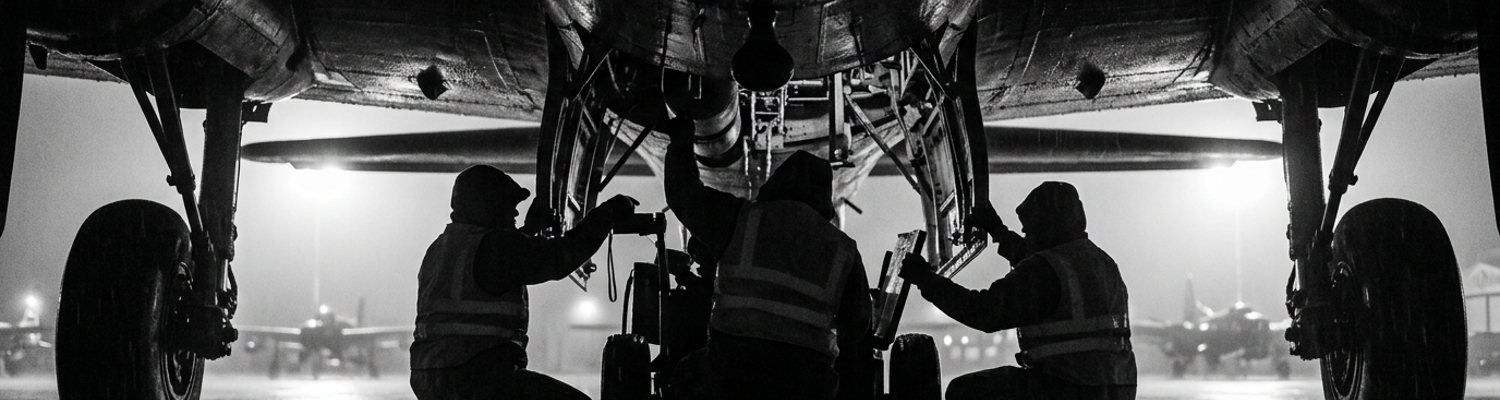

Stratospheric Freezing Over Yugoslavia in 1944
The primary payload configurations brought to the Mediterranean theater consisted of AN-M57 250-pound weapons and AN-M64 500-pound general-purpose bombs. These casings contained 50/50 Amatol. Ground crews at the Foggia airfield complex installed M103 nose fuses and M100 tail fuses into the casings before threading thin brass arming wires through the release arm loops. A standard Consolidated B-24 Liberator carried up to 8,000 pounds of this high-explosive material suspended by dual steel lugs in its internal bays. The Fifteenth Air Force assembled thousands of tons of these munitions on the Italian peninsula. The target was Axis rail networks across Eastern Europe.
This accumulated stockpile represented a highly specific kinetic threat directed at the Balkan supply routes.
Archival evidence shows the 450th and 451st Bombardment Groups faced severe environmental hostility during the winter offensive of January and February 1944. Mission profiles required these heavy bombers to ascend to twenty-seven thousand feet. Pilots had to clear the jagged peaks of the Dinaric Alps and avoid flak concentrations over target zones like the Mostar marshaling yards. The atmospheric temperature at this altitude regularly plummeted to negative sixty degrees Fahrenheit. Ambient moisture from the lower Adriatic weather fronts clung to the unpressurized aluminum fuselages during the initial climb out of Italy. This condensation turned to solid rime ice as the formations crossed the coastline near Split and entered the stratosphere over Yugoslavian airspace. The B-24 lacked adequate internal heating for its crew or its mechanical bays. High-altitude winds whipping through the open waist gunner windows dropped the internal wind chill well below the mechanical operating limits of standard aviation equipment.
Crewmen suffered severe frostbite within minutes of exposing bare skin to the cabin air.
A close review of operational logs indicates this extreme cold triggered widespread mechanical failures across the bomber fleet. The B-24 utilized a unique roll-up bomb bay door design operating on a motorized sprocket and track system mounted to the forward bulkhead. Factory-issued lubricating grease inside these tracks solidified into a rigid glue at negative forty degrees. When bombardiers toggled the door switches on the initial run-up to the target, the small electric drive motors burned out trying to force the tracks open. Secondary manual hand-cranks snapped under the physical tension applied by frantic flight engineers attempting to open the bays by brute force.
The internal drive cables shredded against the frozen sprockets.
The freezing conditions disabled the Type A-2 bomb release solenoids and the primary D-6 shackles. Moisture crystallized directly inside the electrical relays connecting the bombardier's intervalometer to the individual racks. Locking pins holding the 500-pound bombs in place became fused to the mechanical release levers. Flight engineers had to abandon their primary oxygen stations and walk out onto the narrow nine-inch catwalk spanning the open bomb bay. They carried heavy flathead screwdrivers, emergency crash axes, and pry bars to manually strike the frozen release sears while German 88mm anti-aircraft artillery detonated in the surrounding airspace. Engineers physically kicked the rusted suspension lugs to break the ice seal holding the munitions inside the aircraft. In several documented instances, unreleased bombs armed themselves inside the bays when the brass arming wires snapped off during the violent prying efforts. Flight engineers then had to physically restrain the spinning fuse arming vanes with their bare hands to prevent a mid-air detonation. One slip on the ice-coated catwalk meant falling directly through the open doors into the Yugoslavian mountains below. Ground crews back in Italy began stripping the factory lubricants from the shackle assemblies using raw aviation fuel. Mechanics replaced the standard grease with a dry graphite powder mixture to prevent the locking mechanisms from freezing solid during the high-altitude transit. Technicians wrapped the electrical solenoids in salvaged canvas and applied heavy layers of friction tape to insulate the relays from the stratospheric moisture.
B-24 Bomb Bay Actuator Mechanical Jamming
Archival evidence shows the Army Air Forces relied on standard petroleum-based lubricants to maintain the complex mechanical linkages inside heavy bomber weapons bays. Prior to takeoff, maintenance squadrons applied heavy coats of specification AN-G-3 low-temperature grease to the Type A-2 release solenoids and the primary D-6 bomb shackles. At ground level temperatures on the Italian peninsula, this chemical compound performed adequately. The ambient temperature profile changed drastically as the Fifteenth Air Force formations climbed to twenty-eight thousand feet on their approach to heavily defended targets like the Vienna marshaling yards. During the final bomb run, the atmospheric temperature dropped to negative sixty-five degrees Fahrenheit. The intense cold penetrated the uninsulated aluminum skin of the B-24 fuselage and directly into the metal shackle assemblies. Within the AN-G-3 grease, the petroleum distillates underwent a rapid phase change. The lubricant congealed into a hardened, solid mass packed tightly around the internal release sears, the pivoting locking levers, and the suspension hooks.
The electrical signal from the bombardier's intervalometer failed to move the frozen mechanisms.
When examining the historical record of the 451st Bombardment Group, maintenance logs detail exactly how this chemical failure progressed into a total mechanical jam. The bombardier depressed the toggle switch at the initial point of the bomb run to send a direct current charge to the individual rack solenoids. Inside the solenoids, the electromagnetic coils energized to pull the actuating pins backward. Instead of sliding free, the pins remained held firmly in place against the internal housings by the congealed grease. The continuous electrical current flowing into the jammed solenoids generated rapid internal heat until the copper wiring melted and short-circuited the entire rack system. As a direct result, the primary locking jaws gripping the dual steel suspension lugs of the casings refused to open.
Multiple tons of high explosives remained firmly locked inside the aircraft.
Hung ordnance created a highly dangerous tactical situation for aircrews forced to navigate back to their bases in Southern Italy. Returning with a full or partial bomb load severely altered the center of gravity and the landing weight of the airframe. The Davis wing design required specific approach speeds. Carrying an unexpected three thousand pounds of trapped munitions forced pilots to maintain dangerously high airspeeds during descent to avoid stalling. Under heavy stress, the tricycle landing gear of the B-24 was structurally notorious for collapsing. Returning to the Foggia airfield complex meant touching down on uneven, mud-slicked pierced steel planking laid over soft agricultural fields. Upon impact with the runway plates, the nose gear strut frequently snapped when bearing the forward weight of a fully loaded bomb bay. A collapsed nose gear drove the lower fuselage directly into the runway surface. Showers of sparks generated by the scraping aluminum sprayed directly beneath the bomb bays containing the trapped AN-M64 general-purpose bombs.
Ground crews evacuated the hardstands immediately when green flares signaled a hung payload approach.
The internal mechanics of the hung bombs compounded the physical threat to the returning crews. Before the solenoids completely failed, the initial attempt to drop the payload often snapped the thin brass arming wires threaded through the M103 nose fuses. During the flight back across the Adriatic Sea, the small arming vanes on the nose of the bombs began windmilling in the turbulent air currents circulating inside the open bomb bay. A fully unscrewed arming vane meant the internal detonator was aligned with the firing pin. To manually insert steel cotter pins into the spinning fuse assemblies, flight engineers crawled back onto the narrow nine-inch catwalk over the open ocean. They worked without supplemental oxygen at fifteen thousand feet while gripping the vibrating bulkheads. If the crew failed to safe the weapons, the bombs remained fully armed and highly sensitive to any kinetic shock upon landing.
Type F-2 Heated Suit Supply Shortages
Archival evidence shows the 461st Bombardment Group operating out of Torretta Airfield faced severe equipment deficits during the early spring of 1944. Quartermaster supply bottlenecks at the major port facilities in Bari and Naples left flight engineers without adequate numbers of standardized Type F-2 electrically heated suits. The F-2 system relied on a network of copper heating wires sewn directly into a wool-lined jacket, trousers, and shoe inserts. Crews plugged these garments into 24-volt rheostat outlets spaced along the B-24 waist bulkheads using Type Q-1 umbilical connectors to survive the stratospheric transit. Requisition logs from the 764th Bomb Squadron indicate supply officers submitted repeated emergency Form 104 requests for these garments throughout February and March. Theater command prioritized outfitting P-38 Lightning fighter units and replacement crews heading north to the Eighth Air Force in England. B-24 replacements arriving in southern Italy routinely stepped onto the tarmac wearing only A-4 summer flight suits and light leather A-10 gloves.
Bomber crews resorted to layering standard-issue wool blankets under unheated shearling leather jackets.
A close review of medical logs from the Fifteenth Air Force reveals the direct physiological consequences of these supply failures. When formations crossed the forty-sixth parallel north over the Julian Alps en route to the Steyr Daimler Puch aircraft factories, the ambient temperature inside the uninsulated rear fuselage dropped to negative sixty degrees Fahrenheit. Sub-zero cabin exposure caused severe frostbite across the unprotected extremities of the flight engineers. Tissue necrosis set into bare fingers within ten minutes of contact with the freezing airstream rushing through the open waist gunner windows. The physical degradation directly compromised the crew's ability to operate manual emergency release levers during bomb rack malfunctions. When the primary electrical solenoids jammed over Austrian target zones, engineers had to detach from their primary oxygen regulators and walk out onto the nine-inch catwalk to manually salvo the payload.
The frozen metal of the catwalk grated against their unheated leather boots.
Operating the secondary release systems required fine motor control and significant physical leverage. Flight engineers carried heavy steel pry bars and flathead screwdrivers to physically force open the stuck D-6 bomb shackles holding the 500-pound munitions. The severe frostbite contracted during the climb to twenty-eight thousand feet reduced their hands to rigid, unfeeling hooks. Gripping the emergency hand-cranks or aligning a screwdriver blade against the tight release sears became mechanically impossible for men lacking functional nerve endings in their fingers. Archival combat reports document engineers tearing the frozen skin off their palms when they tried to grip and pull the red Type A-4 emergency salvo handles mounted near the forward bulkhead. The loss of basic dexterity meant engineers repeatedly dropped their pry bars through the open bomb bay doors.
Unarmed munitions remained locked in the racks while the bombers turned south toward the Adriatic Sea.
Maintenance crews at Torretta attempted to bypass the F-2 suit shortage by splicing together damaged heating elements from salvaged aircraft. Ground technicians stripped the 24-volt wiring from destroyed B-24 electrical panels and sewed the raw copper threads into standard heavy winter flight gear. Mechanics wrapped the exposed connection points in layers of black friction tape to insulate the raw electrical current from the flight crews. These improvised heating suits frequently short-circuited in flight when the engineers moved violently to pry at the frozen bomb racks. The exposed wires burned directly through the wool linings and inflicted deep electrical burns on the flight engineers' torsos.
Flight surgeons recorded a sharp increase in third-degree burn treatments running concurrently with the frostbite amputations.
Improvised In-Flight Electrical Bus Splicing
When examining the historical record of the 483rd Bombardment Group during the spring 1944 offensive against the Moosbierbaum oil refineries, combat logs detail catastrophic failures within the B-24 primary electrical harnesses. Heavy concentrations of German 88mm and 128mm anti-aircraft fire consistently detonated within the bomber formations at twenty-eight thousand feet. Shrapnel from these airbursts shredded the unarmored aluminum skin of the fuselages and severed the main wiring looms running along the upper structural spine. These specific cables carried the twenty-four-volt direct current from the bombardier's intervalometer in the nose compartment back to the individual Type A-2 release solenoids. A single flak fragment severing the primary bus line instantly dead-ended the electrical signal required to trigger the drop sequence. Flight engineers suddenly faced payload bays packed with three tons of live AN-M64 general-purpose bombs locked rigidly in place by unpowered D-6 shackles.
The entire drop sequence relied on a severed circuit.
Archival evidence shows these mechanics executed highly dangerous emergency repairs while suspended over the open bomb bays. Flight engineers disconnected their primary oxygen hoses and descended from the top turret positions carrying standard wire cutters and heavy pliers. They balanced on the nine-inch steel catwalk spanning the open doors while the aircraft sustained continuous violently evasive maneuvers to avoid tracking flak batteries. To restore power to the frozen bomb shackles, engineers physically hacked into the main electrical buses that controlled the aircraft's engine starters and internal lighting systems. They used their bare hands and steel blades to strip the heavy rubber insulation from these live, high-amperage lines. The engineers then spliced lengths of salvaged intercom wire directly from the exposed bus bars down to the individual solenoid terminals on the bomb racks.
Bypassing the standard safety relays sent an unregulated direct current straight into the frozen rack mechanisms.
This raw electrical feed forced the internal electromagnets to overpower the congealed AN-G-3 grease packed inside the housings. Sparks showered across the catwalk as the engineers manually completed the circuits by twisting the raw copper threads together. They held the live wires against the solenoid terminals while enemy artillery violently rocked the airframe. The uninsulated current frequently shocked the engineers through their leather A-10 gloves. If the splice held long enough, the direct power surge snapped the actuating pins backward and released the primary locking jaws gripping the dual steel suspension lugs.
Bombs fell through the open doors just seconds before the formations crossed the rally point.
A close review of operational logs indicates that ground crews back at Sterparone airfield developed proactive modifications to prevent the internal release mechanisms from freezing before the bombers ever reached the target zone. Mechanics scavenged spools of thin copper communication wire from the electrical panels of wrecked C-47 transports. They wrapped this raw copper tightly around the cylindrical outer housings of the critical release solenoids to fabricate makeshift heating coils. Ground technicians wired these improvised elements directly into the secondary lines running off the bomber's four engine-driven P-1 generators.
Mechanics applied thick layers of black friction tape to hold the exposed copper against the metal casings.
During the two-hour climb to altitude over the Adriatic Sea, the ambient temperature inside the unpressurized bays dropped to negative sixty-five degrees Fahrenheit. Flight engineers manually engaged these heating circuits exactly fifteen minutes before the formation reached the initial point of the bomb run. The raw electrical resistance generated localized heat directly against the metal where the petroleum-based lubricants typically solidified into a rigid glue. This thermal transfer kept the internal actuating pins sliding freely within the solenoid bodies. Because the improvised system lacked any form of thermostatic control or voltage regulation, the tightly wound coils frequently overheated. If left energized for more than twenty minutes, the copper wires melted entirely through the friction tape. The exposed, red-hot elements scorched the aluminum bulkheads directly adjacent to the thin steel casings of the Amatol-filled bombs.
Aircrews constantly monitored the smell of burning rubber over the cordite from exploding flak to know exactly when to sever the connection with their wire cutters.
Foggia Ground Engineer Maintenance Innovations
Archival evidence shows the 2nd and 97th Bombardment Groups operating out of the Amendola and Celone airfields faced a severe environmental discrepancy between ground-level staging and high-altitude execution. The Foggia plain in early 1944 consisted of flat, waterlogged agricultural fields that generated constant ambient humidity. Heavy winter rains flooded the pierced steel planking of the hardstands. Ground crews loaded the 500-pound AN-M64 bombs into the open bays of the B-24 Liberators while standing knee-deep in freezing mud. Water splashed directly up into the exposed bomb bays and pooled inside the recessed metal housings of the Type A-2 release solenoids.
A close review of operational logs indicates this trapped liquid became a primary mechanical failure point during the climb to twenty-eight thousand feet.
When the bombers reached the negative sixty-degree temperatures over the Dinaric Alps, the pooled rainwater crystallized into solid ice blocks. These ice formations physically wedged the internal release sears and actuating pins against the outer steel casings of the solenoids. To counter this specific threat, maintenance chief sergeants initiated an improvised technical overhaul of the entire release assembly across the bomber fleet. Mechanics removed all D-6 shackles from the aircraft and transported them to makeshift fabrication shops constructed from salvaged shipping crates. Using hand drills, technicians bored one-eighth-inch drainage holes directly through the bottom plates of the solenoid housings.
Gravity pulled the collected rainwater out of the mechanisms before the aircraft ever left the Italian coastline.
Ground crews also utilized raw engine exhaust to dry the electrical relays prior to takeoff. Technicians attached long sections of corrugated rubber hosing to the exhaust stacks of standard airfield tug vehicles. They routed these hoses directly into the bomb bays of the B-24s and blasted the release assemblies with localized heat. This process evaporated any residual moisture clinging to the electrical contacts and locking pins. Mechanics then wrapped the dried solenoids in heavy treated canvas salvaged from discarded winter tents. They secured these improvised moisture barriers around the metal housings using heavy-gauge safety wire.
The factory-applied chemical lubricants presented an equally lethal hazard to the bombing missions over Eastern Europe.
When examining the historical record of the 450th Bombardment Group, maintenance logs detail a systematic command decision to strip the specification AN-G-3 low-temperature grease from every bomber on the flight line. Ordnance Department manuals originally mandated this thick petroleum distillate to protect the shackle locking jaws from corrosion during transatlantic shipping. At ground level in southern Italy, the grease felt slick to the touch. Once exposed to the stratospheric cold over the Vienna marshaling yards, the compound chemically hardened into a rigid cement that paralyzed the suspension hooks. Line mechanics at the Manduria airfield complex established dedicated outdoor washing stations to strip this material from the hardware.
Ground personnel cut empty fifty-gallon oil drums in half to serve as chemical solvent baths.
Flight engineers physically unbolted the individual D-6 shackles from the structural bulkheads inside the weapons bays and carried them across the mud to these washing stations. Mechanics filled the metal drums with raw 100-octane aviation fuel siphoned directly from the bomber wing tanks. They submerged the entire shackle assemblies into the highly volatile liquid. The heavy steel sank. Working without protective gloves, technicians used stiff wire brushes and heavy rags to aggressively scrub the congealed AN-G-3 grease out of the internal pivot points and slide tracks. The high-octane fuel dissolved the petroleum binders within the factory lubricant.
The raw fuel severely blistered the skin on the mechanics' hands.
After stripping the metal bare, the maintenance units had to apply a dry alternative to prevent metal-on-metal friction during the drop sequence. Technicians requisitioned crates of dry graphite powder from quartermaster depots in Naples. They mixed this fine carbon dust with small amounts of lightweight instrument oil to create a thin, highly resilient slurry. Mechanics used small bristle brushes to paint this graphite mixture directly onto the release sears and actuating pins. Unlike the heavy petroleum grease, the dry graphite did not undergo a physical phase change when the atmospheric temperature plummeted. The carbon particles allowed the locking jaws to slide open smoothly when the electrical charge hit the solenoids.
Technical inspectors required every B-24 to undergo this chemical stripping process before clearing the aircraft for sorties over Austria.
Graphite Lubrication and Asbestos Conduit Wraps
A close review of maintenance records from the 451st Bombardment Group stationed at Castelluccio Airfield reveals a systematic shift in ordnance handling procedures during the spring of 1944. Line mechanics recognized that standard petroleum-based lubricants actively caused the Type A-2 release solenoids to jam at twenty-eight thousand feet. To resolve this specific mechanical failure, ground crews implemented a dry graphite lubrication scheme across the entire B-24 fleet. Technicians requisitioned heavy industrial graphite powder from quartermaster depots in Naples. They transported this raw carbon dust back to the Foggia plains in unmarked wooden crates. Unlike specification AN-G-3 low-temperature grease, the dry graphite lacked liquid petroleum binders.
This chemical composition meant the material did not undergo a physical phase change or solidify when exposed to the negative sixty-degree stratospheric cold over Austria.
Applying this dry lubricant required highly specific physical labor on the flight line. Ground personnel first scrubbed the factory grease from the internal pivot points of the D-6 bomb shackles using raw 100-octane aviation fuel. The work was highly toxic. Men stood outside in freezing rain to dry the bare steel components before the ambient moisture could trigger rapid oxidation. They then used stiff-bristled utility brushes to force the raw graphite powder directly into the mechanical slide tracks, the release sears, and the primary locking jaws. Some maintenance units mixed the dry powder with trace amounts of lightweight instrument oil to create a specialized slurry that adhered to the vertical metal surfaces inside the weapons bays. The microscopic carbon particles bonded with the steel components to create a frictionless layer. When the bombardier triggered the drop sequence over heavily defended targets like the Steyr Daimler Puch factories, the internal actuating pins slid smoothly over the graphite coating.
The dual suspension lugs holding the 500-pound general-purpose bombs dropped completely clear of the racks.
Archival evidence shows that mechanical freedom did not entirely solve the payload retention failures. While the graphite kept the metal sears moving, the extreme thermal drops at high altitude directly attacked the electrical lines feeding the bomb bays. The B-24 utilized an uninsulated copper wiring harness running from the nose compartment back to the individual solenoids along the upper structural spine. At negative sixty-five degrees Fahrenheit, ambient moisture from the lower Adriatic weather fronts crystallized directly onto these exposed electrical connections. The resulting ice buildup short-circuited the twenty-four-volt direct current required to energize the electromagnetic coils. This sudden loss of voltage instantly severed the electrical signal required to trigger the drop sequence.
Without electrical power reaching the solenoids, the graphite-lubricated locking jaws stayed rigidly locked.
Maintenance squadrons countered this electrical freezing by fabricating asbestos conduit wraps for the exposed wiring. Mechanics stripped fire-resistant asbestos fabric from damaged engine exhaust shrouds and salvaged heating ducts located in the aircraft salvage yards around Cerignola. Technicians cut this hazardous fibrous material into long, narrow strips using standard utility knives. Inhalation of the dust went ignored. Working on the narrow nine-inch catwalks inside the aircraft, they wrapped these asbestos bands tightly around the electrical lines and the cylindrical outer housings of the Type A-2 release solenoids. The mechanics layered the material heavily around the junction boxes where the main electrical bus split into the individual rack feeds. To hold the insulation in place during turbulent evasive flight maneuvers, ground crews bound the fabric tightly with heavy-gauge steel safety wire.
The thick asbestos layers trapped the residual thermal energy generated by the electrical current flowing through the copper lines.
This localized insulation prevented the rapid temperature drops from freezing the internal electrical relays. The raw asbestos shielding blocked the ambient moisture from reaching the vulnerable copper terminal posts. During the two-hour climb to altitude, the electrical harnesses maintained a stable internal operating temperature well above the freezing point of water. Flight engineers measured the internal temperature of the wrapped solenoids at ten degrees above freezing while German 88mm anti-aircraft flak detonated less than fifty yards from the fuselage over the Moosbierbaum oil refineries.
Operational Impacts on Strategic Bombing Success
Archival evidence shows the implementation of dry graphite lubrication and asbestos thermal shielding directly altered the statistical drop rates of the Fifteenth Air Force. Before April 1944, heavy bomber groups operating out of the Foggia airfield complex reported payload retention failures approaching thirty percent during high-altitude sorties over Austria. Ground technicians systematically eradicated the specification AN-G-3 low-temperature grease from the D-6 bomb shackles across hundreds of B-24 Liberators. Replacing this factory petroleum distillate with an improvised carbon dust slurry allowed the internal release sears to function normally at negative sixty-five degrees Fahrenheit. When the 451st Bombardment Group targeted the Steyr Daimler Puch aircraft factories at coordinates 48.04 N, 14.41 E, flight engineers recorded a near-total elimination of jammed Type A-2 solenoids. The raw twenty-four-volt direct current from the bombardier's intervalometer successfully energized the electromagnetic coils. Unhindered by frozen lubricants, the actuating pins snapped backward without resistance.
Entire payloads of 500-pound AN-M64 general-purpose bombs fell cleanly through the open bay doors.
A close review of operational logs indicates this mechanical consistency removed a severe tactical hazard for returning aircrews. Prior to the field-engineered modifications, damaged bombers navigated back across the Adriatic Sea carrying thousands of pounds of trapped, fully armed Amatol explosives. Returning with a hung payload severely altered the center of gravity. Pilots had to maintain dangerously high airspeeds during descent to prevent the narrow Davis wing design from stalling. Landing on the mud-slicked pierced steel planking at Castelluccio and Amendola with a fully loaded forward bomb bay routinely snapped the nose gear struts. The resulting runway detonations destroyed airframes and killed entire crews. The new chemical stripping protocols and localized asbestos insulation wraps directly ended this specific hazard.
Aircraft returned to the Italian peninsula empty and structurally balanced.
Preserving mission readiness became the central mechanical objective during the spring 1944 strategic bombing campaign in Europe. The 483rd Bombardment Group stationed at Sterparone airfield documented a sharp increase in available airframes following the fleet-wide adoption of these improvised technical solutions. By drilling one-eighth-inch drainage holes into the solenoid housings and routing engine exhaust to dry the electrical relays, ground crews prevented pooled rainwater from freezing the locking jaws. Mechanics no longer had to replace burned-out electrical harnesses destroyed by continuous current flowing into jammed mechanisms. This direct reduction in electrical and mechanical failures meant fewer bombers sat idle on the hardstands awaiting replacement parts from the Bari quartermaster depots.
Turnaround times for the maintenance squadrons dropped from three days to under twelve hours.
When examining the historical record of the 461st Bombardment Group, sortie generation rates doubled between February and May 1944. Theater command officially mandated these specific field modifications for all incoming replacement aircraft arriving from the United States. Ground crews at Torretta Airfield immediately stripped the factory grease and installed the salvaged copper wire heating coils around the release solenoids before any new bomber was cleared for combat operations. Keeping the actuating pins sliding freely during the long climbs over the Dinaric Alps allowed the Fifteenth Air Force to maintain a continuous, high-volume kinetic offensive against Axis infrastructure.
Flight engineers stopped carrying emergency crash axes to manually hack at frozen bomb racks over enemy territory.
Bypassing the vulnerable factory designs allowed the bomber wings to consistently execute their primary destructive function. Formations flying out of southern Italy delivered their full tonnage precisely onto the Moosbierbaum oil refineries and the Vienna marshaling yards without internal mechanical delays. The continuous application of dry graphite powder and the installation of raw asbestos conduit wraps directly sustained the operational tempo required to dismantle the Eastern European rail networks. Line mechanics working in freezing mud re-engineered the ordnance delivery systems of the B-24 fleet using salvaged materials and raw 100-octane aviation fuel.