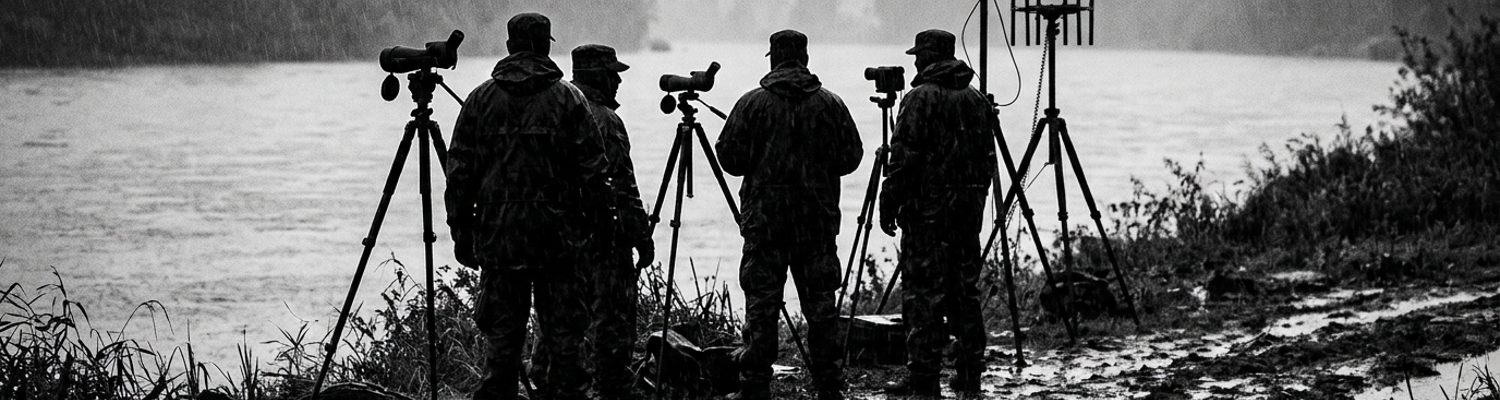

San Jose Landing Craft Staging Operations
Archival evidence shows the men detailed to the Visayan assault forces had not slept more than three consecutive hours in six days prior to the operation. Rations consisted entirely of rock-hard biscuits and cold canned meat. They consumed this while marching across the muddy staging grounds of Leyte. Muscle fatigue set in long before the troops reached the embarkation zones. The infantrymen carried roughly sixty pounds of gear. Their loads included M1 Garand rifles, heavy ammunition bandoleers, steel entrenching tools, and canvas packs soaked through with seawater. Dysentery spread rapidly through the ranks. Medical logs from the Seventh Fleet indicate a high rate of dehydration before the amphibious forces even initiated their transit through the Surigao Strait. The physical toll degraded their combat readiness. They stood in line for hours waiting to board the transport ships.
They loaded onto flat-bottomed vessels reeking of unburned diesel fuel and vomit.
A close review of operational logs indicates that US Merchant Marine Academy cadet midshipmen deployed directly to San Jose, Mindoro in December 1944 aboard coastal landing craft. These eighteen- and nineteen-year-old trainees from Kings Point operated under the command of Rear Admiral Arthur D. Struble within Task Group 73.3. They received assignments as engine room assistants and deck observers on Landing Craft Infantry (Large) and Landing Ship, Tanks. The deployment required these cadets to steer the shallow-draft vessels toward designated White and Red beaches near coordinates 12°21'N 121°04'E. Command decisions from the Seventh Amphibious Force dictated that these midshipmen bypass rear-echelon acclimatization entirely. They integrated immediately into front-line navigation crews. These crews managed the throttle linkages and manifold pressures of twin Gray Marine 6-71 diesel engines. The coastal landing craft lacked heavy armor plating. Enemy shrapnel frequently penetrated the quarter-inch steel bulkheads enclosing the engine compartments. Cadets monitored oil pressure gauges in these exposed spaces. They operated the manual bilge pumps by hand when the automated systems failed under continuous use.
The transmission gears required manual engagement with heavy steel levers. These levers blistered their palms.
Sudden tropical rainstorms degraded primary amphibious staging visibility along the Mindoro coastline during the final approach phase on December 14 and 15. Barometric pressure plummeted as a localized squall system moved across the Sulu Sea. The storm dropped torrential sheets of water. This reduced visual range to less than forty yards. The downpour completely obscured the flashing signal lights pre-positioned by early reconnaissance teams along the San Jose shoreline. Radar operators aboard the command ships experienced severe sea clutter on their SG surface-search scopes. The interference rendered the screens useless for tracking the smaller landing craft formations assembling in the staging area. Coxswains steering the LCI vessels had to rely exclusively on dead reckoning and magnetic compass headings. They fought crosswinds exceeding thirty knots. The heavy rain quickly filled the open troop compartments of the smaller Higgins boats. Bilge pumps choked on floating debris. Thick mud washed off the combat boots of the infantrymen and clogged the drains.
Saltwater shorted out the exposed electrical relays connecting the helm stations to the aft rudder posts.
When examining the historical record of the staging phase, the meteorological data confirms the storm cells localized directly over the primary assembly areas off the Mangarin Bay entrance. Landing craft collided frequently in the low visibility. Steel ramps smashed into the port and starboard bows of adjacent vessels. The impacts sheared off communications antennas and life raft mounts. The cadet midshipmen stationed below decks felt these collisions as violent shudders. The impacts knocked them against the hot exhaust manifolds. They applied asbestos paste to leaking pipe joints while the vessels pitched heavily in the chop. The order to initiate the final beach run came through a static-filled radio channel at 0710 hours.
Mangrove Swamp Forward Observation Positions
Archival evidence shows that by 0830 hours on December 15, command decisions from Rear Admiral Arthur D. Struble pushed forward observation teams directly into the coastal estuaries flanking the San Jose beachhead. Enlisted navy spotters from the 75th Joint Assault Signal Company operated alongside cadet mariners from Kings Point. These mixed units traversed mud-choked mangrove terrain near coordinates 12°22'N 121°03'E. The objective required them to establish elevated lines of sight for naval gunfire support. They carried heavy optical rangefinding equipment through waist-deep brackish water. The primary loadouts included the Mark 42 stereoscopic rangefinder. This device weighed forty-five pounds. It required a heavy steel tripod for stabilization. Operators hauled BC-654 field radios, hand-cranked generators, and lead-acid batteries wrapped in waterproof canvas. The interlocking rhizome root systems of the Rhizophora mangroves forced the men to crawl over slick, rotting wood. The physical exhaustion from the landing phase compounded. They dragged the gear through the dense vegetation.
Mud quickly jammed the exposed brass azimuth gears.
A close review of operational logs indicates that the physical environment immediately degraded the precision instruments. High humidity levels trapped inside the optical tubes fogged the internal Bausch and Lomb glass lenses. Cadets attempted to wipe the eyepieces clear using their damp uniform sleeves. The saltwater environment accelerated corrosion on the exposed copper battery terminals powering the radio transceivers. Spotters struggled to establish a level base for their tripods in the soft, decomposing peat of the swamp floor. The heavy steel feet sank six inches into the muck every time the operators attempted to calibrate the elevation dials. They wedged flat pieces of driftwood under the tripod legs to distribute the weight. The hand-cranked generators required two men turning the handles continuously to produce enough voltage for transmission.
They sank deeper into the swamp with every adjustment.
Japanese mortar batteries maintained concentrated shelling across these specific coastal swamp channels starting at 0915 hours. Elements of the Imperial Japanese Army 8th Division pre-registered target zones along the estuary chokepoints weeks before the invasion. Specifically, the 17th Infantry Regiment handled this sector. They deployed Type 97 81mm infantry mortars and heavier Type 94 90mm tubes from elevated ridge positions overlooking the Bugsanga River approach. Enemy gunners dropped fin-stabilized high-explosive rounds into the dense tree canopy at a rate of twenty rounds per minute. The point-detonating fuzes triggered on contact with the upper branches. This airburst effect showered the American observation teams with jagged steel fragmentation and splintered wood. Japanese crews continuously adjusted their elevation screws to walk the barrage back and forth across the primary navigation channels. The overlapping blast radii left no safe zones within the mangrove labyrinth.
Shrapnel severed the heavy rubber communication cables trailing behind the navy radiomen.
The continuous barrage forced the Japanese weapons crews to rapidly reposition their baseplates. This movement avoided counter-battery fire from American destroyers offshore. The recoil from the Type 97 mortars drove the square steel plates deep into the wet soil of the ridges. Infantrymen used wooden poles as levers to pry the weapons out of the mud between fire missions. Down in the swamp, the Kings Point cadets and JASCO spotters pressed their bodies against the submerged root systems to avoid the flying metal. The blasts displaced massive geysers of foul-smelling black mud and stagnant water. The concussive force knocked the Mark 42 rangefinders entirely off their makeshift wooden platforms. Spotters had to recalibrate the stereoscopic lenses from scratch while under direct fire.
Concussive waves ruptured the eardrums of men caught near the impact zones.
Optical Rangefinding for Destroyer Gunfire
Archival evidence shows that elements of the 75th Joint Assault Signal Company and their Kings Point cadet assistants pushed out of the mangrove swamp by 0945 hours. They advanced toward the elevated embankment of the Bugsanga River near coordinates 12°23'N 121°04'E. The objective required them to establish direct line-of-sight rangefinding coordinates for offshore destroyers waiting in Mangarin Bay. Specifically, the Allen M. Sumner-class destroyers USS Moale (DD-693) and USS Ingraham (DD-694) loitered three miles off the coast. The 5-inch/38 caliber Mark 12 guns on these ships needed precise grid data. They targeted the Japanese Type 97 mortar baseplates hidden beneath the jungle canopy. Cadets assembled the Mark 42 stereoscopic rangefinders on the exposed, muddy riverbank.
The forty-five-pound optical instruments required a completely unobstructed view of the enemy muzzle flashes to function.
Obtaining that clear visual path forced the spotters away from the protective Rhizophora root systems and into the open mudflats. Japanese snipers from the 17th Infantry Regiment engaged the exposed observer teams from distances of three hundred yards. Arisaka Type 99 rifle fire snapped past the brass optical tubes. The Kings Point cadets ignored the incoming 7.7mm rounds. They focused entirely on rotating the horizontal adjustment knobs of their instruments. They aligned the split-image internal lenses on the rising smoke columns of the enemy mortar pits. The stereoscopic rangefinding process required the operator to physically adjust an internal reticle until it appeared at the exact same depth as the target.
A close review of operational logs indicates the initial firing solutions transmitted to the offshore destroyers missed the ridge positions by over two hundred yards.
Naval gunfire support required constant manual plotting adjustments due to shifting mud and unstable tripod mounts. The decomposing peat of the riverbank could not support the concentrated weight of the heavy steel tripod legs. Every time a spotter pressed his face against the rubber eyepieces, the front leg of the mount sank another two inches into the wet earth. This continuous vertical displacement completely altered the elevation coordinates. Spotters had to repeatedly break their visual lock, pull the tripod out of the muck, and wedge flat stones under the steel feet. While they wrestled with the sinking hardware, the cadet assistants frantically erased and redrew firing trajectories on their celluloid plotting boards using grease pencils. The manual calculations involved factoring in the ballistics of the 5-inch naval shells, the thirty-knot wind speed coming off the Sulu Sea, and the constantly changing elevation of their own sinking equipment. Cadets cross-referenced their visual data with M2 field compass bearings to verify the lateral shift.
Thick black mud packed into the fine brass threads of the azimuth gears and locked the horizontal rotation mechanisms.
Operators resorted to physically kicking the tripod legs to shift the viewing angle when the gears seized. The radiomen operating the BC-654 field sets transmitted the updated coordinates using continuous wave Morse code. Atmospheric static from the departing squall system forced them to repeat the numerical grids multiple times over the hand-cranked transceivers. Aboard the USS Moale, fire controlmen in the plotting rooms fed these delayed, manually adjusted coordinates into their Mark 1A mechanical computers. The electromechanical servos down in the ship's hull then automatically adjusted the elevation and train of the twin gun mounts.
The destroyers unleashed salvos of fifty-four-pound projectiles every fifteen seconds.
High-explosive variable-time fuzed shells impacted the ridges with heavy fragmentation. The point-detonating rounds shattered the volcanic rock outcroppings hiding the Japanese baseplates. The constant sinking of the observation tripods meant the spotters had to calculate and transmit specific correction data after every single salvo. A two-inch shift in the tripod leg resulted in a fifty-yard deviation at the target zone. The Kings Point cadets spent three hours manually calculating trigonometry equations while kneeling in a mixture of swamp water and leaking battery acid.
Enemy counter-battery fire eventually severed the field telephone wire connecting the forward spotters to their rear radio relay point.
Monsoonal Downpours and Tower Blindness
Archival evidence shows the enlisted men and Kings Point cadets assigned to the Mindoro assault force had subsisted on less than eight hundred calories a day for a week prior to the December landing. They marched for miles through the knee-deep mud of the staging zones. Seventy-pound combat packs cut into their shoulders. Sleep deprivation reached critical levels across the ranks of the 19th Infantry Regiment and their attached naval observer units. Men collapsed in the assembly areas after going sixty hours without closing their eyes. Rations consisted of hardened biscuits and cold, canned meat that caused severe gastrointestinal distress. Dysentery tore through the staging camps. The troops boarded the transport ships already severely dehydrated and physically exhausted.
Muscle cramping locked the legs of the cadets before the first wave even hit the water.
A close review of operational logs indicates that the invasion plan relied heavily on pre-fabricated shore observation towers. Combat engineers erected these immediately upon landing at White Beach near coordinates 12°21'N 121°04'E. Engineers from the 532nd Engineer Boat and Shore Regiment assembled these forty-foot steel scaffoldings in the sand. The structures gave spotters a clear view of the inland approaches. Torrential monsoonal downpours completely obscured these primary shore observation towers within minutes of their construction on the morning of December 15. A localized low-pressure system stalled directly over the San Jose beachhead. The storm unleashed sheets of horizontal rain driven by forty-knot gusts off the Sulu Sea. Water pooled instantly on the wooden observation platforms. The structural integrity of the bolted steel frames degraded as the wind caused the towers to sway violently. Spotters climbing the wet iron ladders slipped and fell onto the steel grating below. Heavy precipitation created a solid gray wall of water. This reduced the visible horizon from ten miles to less than fifty feet. Enlisted men stationed in the crow's nests could not see the surf line directly beneath them.
Rainwater flooded the exposed electrical junction boxes at the base of the structures.
Zero-visibility squalls eliminated primary optical spotting capabilities along the beachhead entirely. Kings Point cadets attached to the forward observer teams carried M1915 Battery Commander's periscopic telescopes and heavy Mark 42 rangefinders up into the swaying towers. The sudden temperature drop and high humidity caused severe internal condensation within the sealed optical tubes. Bausch and Lomb glass lenses fogged over completely. Cadets attempted to disassemble the brass eyepiece housings to wipe the glass clear with their wet cotton undershirts. The wind blew driving rain directly into the open instrument casings. Saltwater coated the internal prisms. Operators could not establish any triangulation data on the Japanese positions hidden in the tree line. The mechanical range scales jammed as wet sand blew into the exposed brass gearing.
Command officers on the beach lost all visual contact with the offshore destroyer screens.
The elimination of optical spotting forced the Kings Point midshipmen to abandon the primary observation towers entirely. They lowered the compromised forty-five-pound rangefinders down the steel scaffolding using wet manila ropes. The rough fibers burned their bare hands. Without visual data, the naval gunfire liaison officers could not plot coordinates for the 5-inch guns of the waiting naval task force. Severe weather masked the muzzle flashes of Imperial Japanese Army mortar batteries operating just beyond the mangrove swamps. Spotters resorted to estimating enemy positions based solely on the acoustic signatures of incoming artillery shells. Crashing surf and wind drowned out the distant mortar reports. Cadets knelt in the flooded sand at the base of the blind towers while waiting for the squall to break.
Improvised Acoustic Targeting Methods
Archival evidence shows that by 1315 hours on December 15, the complete failure of optical rangefinders forced a rapid tactical shift along the San Jose beachhead. Elements of the 75th Joint Assault Signal Company and their Kings Point cadet assistants abandoned their flooded Bausch and Lomb instruments. They transitioned entirely to acoustic targeting techniques. This allowed them to calculate enemy mortar flashes and muzzle blasts emanating from the inland ridges. The dense monsoonal rain completely neutralized visual depth perception. Spotters repositioned their teams into two distinct listening posts separated by a four-hundred-yard baseline along the muddy banks of the Bugsanga River near coordinates 12°23'N 121°04'E. The Japanese 17th Infantry Regiment maintained a continuous barrage of Type 97 81mm high-explosive rounds from concealed pits within the tree line. Enlisted naval observers lay flat in the waterlogged peat. They listened for the distinct hollow thump of the enemy baseplates driving into the mud. The acoustic waves traveled through the dense jungle canopy before reaching the riverbank. Operators depressed the brass crowns of their Elgin military pocket chronographs the exact millisecond they registered the sound of the discharge.
The speed of sound through the saturated tropical air required constant mathematical adjustments.
A close review of operational logs indicates that the Kings Point midshipmen took over the complex trigonometry required to convert these acoustic signatures into actionable artillery grids. Sound-ranging calculations were correlated manually under field conditions to pinpoint hidden inland battery sites. The cadets utilized a standard speed of sound baseline of 1,125 feet per second. The high humidity and dropping barometric pressure from the localized squall system altered the acoustic velocity. Trainees huddled under rubberized canvas ponchos to keep the rain off their celluloid plotting boards. They marked the time intervals between the faint muzzle reports and the subsequent detonations along the beachhead using red grease pencils. The physical act of writing required shielding the plotting boards from the horizontal rain driven by forty-knot gusts. Spotters at the northern listening post transmitted their stopwatch data to the southern position over EE-8 field telephones.
Mud seeped into the rotary dials of the handsets and shorted the copper wiring.
When the communication lines failed, cadets resorted to sprinting across the exposed mudflats to hand-deliver the timing data. The manual triangulation process required cross-referencing the exact azimuth of the sound wave from two separate locations. This found the intersecting point of origin. Cadets used M2 field compasses to shoot blind bearings into the dense storm front. They relied entirely on their hearing to establish the directional vector. They factored in a three-second delay between the initial acoustic report and the physical arrival of the 81mm projectile. The math had to be perfect to generate a precise eight-digit grid coordinate for the offshore Allen M. Sumner-class destroyers. Plotters wiped the rain from their protractors and drew intersecting lines across their topographical maps. They calculated the sine and cosine of the intersecting angles while taking incoming small arms fire from the tree line.
A miscalculation of one second shifted the naval gunfire impact zone by nearly four hundred yards.
The Kings Point trainees transmitted the manually calculated coordinates using continuous wave Morse code over BC-654 field radios. Radiomen cranked the heavy generator handles while kneeling in eighteen inches of standing water. The offshore fire controlmen aboard the USS Moale received the acoustic-based grids and fed the numbers into their Mark 1A electromechanical computers. The ship's 5-inch/38 caliber guns adjusted their elevation servos and fired blind into the storm. High-explosive variable-time fuzed shells cleared the shoreline and impacted the unseen ridges. Forward observers in the mangrove swamps listened for the heavy crash of the naval shells impacting the ridge lines. They timed the interval between their own ship's gunfire and the explosive return to verify the accuracy of their acoustic plotting. The Japanese mortar crews rapidly repositioned their baseplates after every third volley to avoid the incoming fragmentation. This constant movement forced the cadets to restart their sound-ranging calculations from scratch every ten minutes.
Shrapnel from a near miss shattered the plastic casing of a cadet's plotting board.
Wire Telegraph Adjustments Under Fire
Archival evidence shows that continuous water exposure completely disabled the BC-654 field radios by 1430 hours on December 15. The copper coils inside the transceivers shorted out as monsoonal rain bypassed the rubberized canvas covers. Kings Point cadets and enlisted men from the 75th Joint Assault Signal Company could no longer transmit acoustic targeting coordinates back to the San Jose beachhead. Forward observation teams located near coordinates 12°23'N 121°04'E lost all contact with the offshore destroyer screens. Command directives required the immediate establishment of hardline physical connections to keep the naval guns firing. Forward teams laid insulated wire-telegraph lines through active combat zones to maintain communications. The physical demands of this task forced the exhausted trainees to crawl through the mudflats while carrying heavy DR-8 wire reels. Each spool held half a mile of W-130 assault wire and weighed roughly fifteen pounds. Cadets dragged these metal drums through waist-deep brackish water. Japanese snipers from the 17th Infantry Regiment fired 7.7mm Arisaka rounds at their exposed positions. The dense mangrove roots snagged the unspooling lines.
Men used their teeth to strip the thick rubber insulation off the copper cores when shrapnel severed the lines.
A close review of operational logs indicates the process of maintaining these physical connections required constant exposure to enemy fire. Imperial Japanese Army Type 97 mortar crews dropped 81mm high-explosive rounds across the Bugsanga River approaches at a rate of ten per minute. The overlapping blast radii easily sliced through the W-130 assault wire trailing behind the observation teams. Cadets sprinted back along their own routes to locate the breaks in the heavy monsoonal downpour. Finding a severed connection in the dense swamp peat required running bare hands along the submerged cables until the operators felt the jagged copper ends. They executed hasty square knot splices while lying flat in the stagnant water. The trainees wrapped the exposed joints in friction tape to prevent the saltwater from grounding out the electrical signal. This manual labor occurred under continuous enemy barrage. Mud packed beneath the fingernails of the midshipmen as they twisted the metal strands together.
A single poorly wrapped splice degraded the line voltage and rendered the entire circuit useless.
Direct telegraph communications enabled immediate fire correction data to bypass rain-damaged radio units. Cadets attached the forward end of the W-130 wire to TG-5-A telegraph sets positioned in the flooded craters along the riverbank. This compact equipment housed a dry-cell battery and a manual transmission key inside a metal casing. The telegraph system did not rely on the fragile vacuum tubes or exposed antennas that failed on the larger voice radios. Operators crouched in eighteen inches of mud and began tapping out continuous wave Morse code. They transmitted the acoustic targeting grids directly to the rear relay stations at White Beach near coordinates 12°21'N 121°04'E. The hardline connection eliminated the atmospheric static interference caused by the localized squall system. Shore party radiomen received the telegraph signals instantly and relayed the numbers via secure ship-to-shore frequencies to the USS Moale. The offshore fire controlmen fed the exact numerical data into their Mark 1A electromechanical computers without asking for repeats or clarifications.
The offshore destroyers fired their 5-inch/38 caliber guns within forty seconds of the telegraph keys being depressed.
Archival records detail how this uninterrupted data stream allowed for rapid, continuous fire correction against the moving Japanese baseplates. The Kings Point midshipmen calculated the necessary lateral shifts based on the sound of the exploding naval shells impacting the inland ridges. They punched the updated coordinates into the TG-5-A keys using grease-covered fingers. The telegraph springs seized frequently as wet sand blew into the metal housings. Operators flushed the mechanisms with canteen water to keep the contact points moving. The immediate feedback loop established by the wire lines trapped the Japanese 17th Infantry Regiment mortar crews in a continuous barrage of variable-time fuzed fragmentation shells. Forward spotters sent adjustments of fifty yards or less directly through the copper cables. The physical link between the forward craters and the rear command posts remained the only functioning transmission method for the duration of the afternoon squall. Cadets stayed in the flooded holes and hammered out eight-digit grid locations.
Enemy counter-battery fire eventually scored a direct hit on a wire reel resting fifty feet from the primary telegraph operator.
Suppression of Entrenched Coastal Strongpoints
Archival evidence shows that by 1500 hours on December 15, the integration of acoustic sound-ranging and hardline wire transmissions produced highly accurate firing solutions against entrenched coastal strongpoints. The Japanese 17th Infantry Regiment had constructed reinforced log-and-earth pillboxes overlooking the Mangarin Bay approaches near coordinates 12°23'N 121°04'E. These bunkers featured interlocking fields of fire designed to halt any inland advance from White Beach. Kings Point cadets and 75th Joint Assault Signal Company spotters pressed Elgin pocket chronographs to their ears while lying in flooded artillery craters. They timed the discharge of enemy 37mm anti-tank guns firing from concealed embrasures. Trainees calculated the acoustic delay through the saturated tropical air using celluloid plotting boards and grease pencils. The heavy monsoonal rain distorted the sound waves. This forced the operators to apply complex trigonometric corrections on the fly. They immediately punched the resulting eight-digit grid coordinates into their mud-caked TG-5-A telegraph keys. Aboard the USS Moale (DD-693) and USS Ingraham (DD-694), fire controlmen received the continuous wave Morse code directly through the W-130 assault wire relay established on the shoreline.
The Mark 1A electromechanical computers processed the manual data and directed the twin 5-inch/38 caliber gun mounts to fire.
A close review of operational logs indicates the combined acoustic and telegraph adjustments allowed the offshore destroyers to systematically silence these coastal positions. The immediate hardline feedback loop meant that if a naval shell landed fifty yards short of a pillbox, the cadets transmitted the mathematical correction over the telegraph wire before the debris settled. Fire controlmen adjusted the elevation servos on the ship's hull down to a fraction of a degree based on the rapid Morse code inputs. High-explosive rounds fitted with point-detonating fuzes smashed directly into the volcanic rock outcroppings hiding the Japanese heavy machine guns. The constant naval bombardment collapsed the reinforced timber roofing of the enemy bunkers. Splintered coconut logs and displaced earth buried the surviving Japanese gun crews inside their own defensive structures. Fifty-four-pound projectiles completely obliterated the primary coastal strongpoints within a forty-minute window of sustained fire. The destruction of these specific bunkers neutralized the heavy weapons fire that had pinned down the initial American landing waves.
Enlisted men from the 19th Infantry Regiment began moving up from the flooded staging areas.
Cadet midshipmen sustained these forward observation lines until the beachhead breakout perimeter was fully secured by the advancing infantry battalions. They held their positions in the flooded craters along the Bugsanga River embankment through the late afternoon squalls. The trainees continuously unspooled W-130 wire from fifteen-pound DR-8 reels to extend the communication network as the front line advanced inland. Japanese snipers firing 7.7mm Arisaka rounds frequently targeted the exposed telegraph operators from the upper canopy of the surrounding jungle. The Kings Point mariners ignored the incoming fire and focused entirely on patching severed copper lines with friction tape. They drank rainwater collected in their canvas helmet covers while maintaining the hardline connection to the Seventh Amphibious Force command post. Mud packed beneath their fingernails as they operated the brass transmission keys. The physical exhaustion from the early morning landing compounded as the cadets stood in knee-deep water for hours.
Trench foot began to develop inside their tightly laced combat boots.
By 1730 hours, elements of the 19th Infantry Regiment pushed three miles inland and established a continuous defensive perimeter around the San Jose airstrip staging ground. Archival records detail how the eighteen-year-old trainees packed up their TG-5-A telegraph sets only after the army commanders confirmed the immediate area was clear of enemy artillery. They disconnected the W-130 assault wire and secured the heavy metal spools to their canvas web belts. The naval observers carried the fifteen-pound metal telegraph casings back toward White Beach through waist-deep brackish water. Saltwater had completely corroded the internal dry-cell batteries during the nine-hour observation shift.