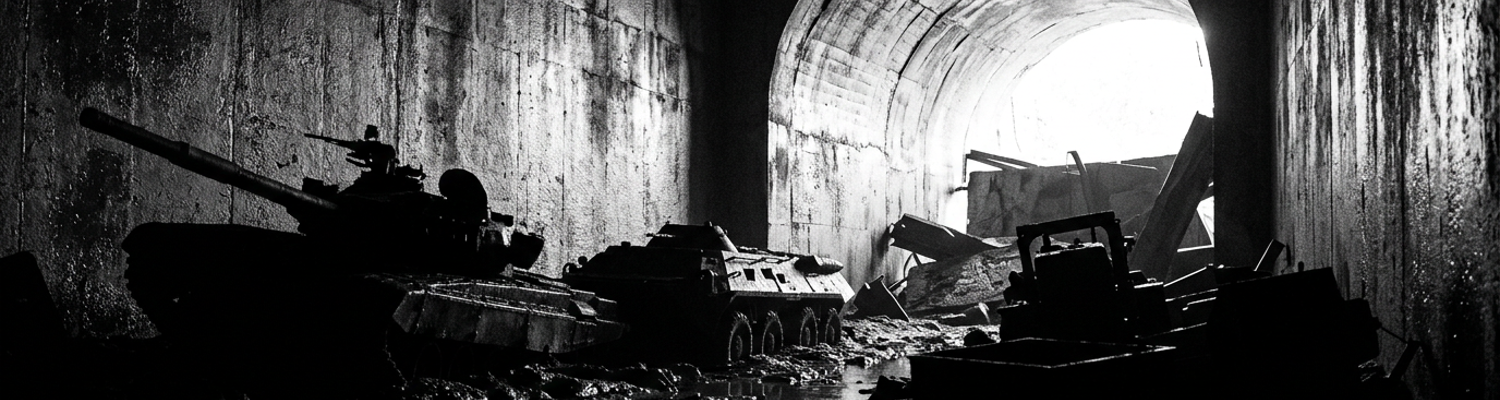

Operational Mandates for Fleet Problem II
Archival evidence shows the War Department ordered a large scale joint deployment in February 1924. Planners intended to secure the Panama Canal against a simulated Black Fleet amphibious assault. Naval landing forces detached from Atlantic Fleet battleships. These included the USS Wyoming and USS Arkansas. They combined with elements of the United States Army 11th Engineer Regiment. The units arrived in the Canal Zone during the peak of the dry season. Surface temperatures consistently exceeded ninety five degrees Fahrenheit. Humidity approached total saturation.
Enlisted personnel stepped off transport barges wearing heavy wool uniforms.
The heat was suffocating. Each man carried an M1903 Springfield rifle. They also hauled a bayonet, entrenching tools, and a full canvas field pack. Command directives required these combined units to immediately occupy defensive positions along the canal banks. They had to repel simulated enemy marines. The physical toll began before they even reached the staging areas. Soldiers and sailors marched through dense jungle undergrowth. They carried heavy Lewis machine guns and wooden crates of .30 caliber ammunition. Men collapsed from heat exhaustion on the dirt roads leading from the coastal ports to the deep interior. Medical officers at the Gatun locks recorded seventy four severe heat casualties on the first day of the overland march.
The subterranean theater offered no relief from the punishing climate.
High command designated the Culebra Cut subterranean drainage culverts as primary defensive infrastructure. These heavy concrete pipes ran deep beneath the terraced hillsides of the Gaillard Cut. Engineers originally built them during the French and early American excavation phases. The primary function was diverting heavy monsoon runoff. They were designed strictly to prevent large scale landslides. Previous earth movements had destroyed excavation equipment. Planners in Washington decided these tunnels provided the only secure transit routes. They wanted to move troops unseen across the narrowest section of the waterway.
The main arterial pipes measured exactly forty eight inches in diameter.
Enlisted men had to crawl on their hands and knees. They moved through a thick mixture of stagnant water, decaying vegetation, and dense red clay. Flashlights failed rapidly in the heavy humidity. Total darkness followed. The men breathed in a concentrated mixture of methane gas and rotting jungle debris. Equipment snagged constantly on rough concrete seams and exposed iron rebar. The sheer weight of the volcanic rock above them suppressed all radio signals. Communications relied entirely on runners crawling back and forth through the suffocating muck.
A single jammed rifle could block an entire company.
Strict operational deadlines forced rapid movement through these unverified subterranean routes. Umpire directives required the Blue Fleet defenders to shift two entire infantry battalions from the east bank to the west bank. They had a highly compressed four hour window. Officers standing above ground at the tunnel entrances pushed men into the darkness with stopwatches in hand. There was no time to send scouting parties ahead. Nobody checked for structural collapses or flooded sections. The schedule dictated everything. Enlisted engineers crawled blindly into narrow pipes. These conduits had not been inspected or cleared since 1914. Water levels inside the deeper culverts rose unexpectedly to chest height. The men descended below the water table. Several squads found themselves trapped in dead end drainage spurs. These spurs were missing from the outdated command maps. Men panicked in the absolute darkness as the water continued to rise around their necks. They abandoned their canvas packs and heavy weapons in the mud. They needed to squeeze through partially collapsed sections of the concrete piping.
Recovery teams pulled thirty two discarded Lewis guns from the lower Culebra drains three weeks after the exercise ended.
Subterranean Infrastructure of the Culebra Cut
Archival blueprints from the Isthmian Canal Commission reveal the true scale of the subterranean network. Concrete drainage conduits managed tropical rainfall along the Culebra Cut. They diverted millions of gallons of runoff away from the unstable basalt slopes. During the 1907 to 1913 excavation phases, civilian engineers buried these heavy Portland cement pipes up to forty feet beneath the terraced hillsides. They needed a way to protect the deep trench from torrential downpours. These storms frequently triggered massive earth movements. The notorious Cucaracha slide zone was a specific target for this drainage system.
The network consisted of main arterial culverts measuring eight feet in diameter.
These primary arteries fed directly into a labyrinth of secondary laterals. The laterals shrank down to a mere thirty six inches across. These secondary pipes snaked through the heavy red clay for miles. Planners in 1924 ordered the 1st Battalion, 11th Engineer Regiment to utilize these exact laterals as covert transit routes. The troops encountered a system designed exclusively for water displacement. It was never meant for human occupation. Heavy iron grates capped the access points.
Enlisted men used pry bars to break the rusted hinges off the primary intake valves near Gold Hill.
A close review of operational logs indicates that the physical environment inside these pipes immediately degraded combat effectiveness. Narrow passageways lacked electrical illumination. They also lacked adequate ventilation systems of any kind. Civil engineers had intentionally sealed the subterranean grid from the surface atmosphere. This design choice prevented jungle root intrusion. It also meant zero airflow reached the interior. As the engineers from Company B descended into the secondary laterals, they encountered pockets of concentrated methane gas. Years of decaying organic matter trapped in the drains generated this gas. The men carried standard issue brass kerosene lanterns.
These open flames rapidly consumed the heavily depleted oxygen supply within the confined thirty six inch concrete tubes.
Several squads attempted to use early dry cell electric flashlights. The ninety five percent ambient humidity corroded the battery terminals within minutes. Total darkness consumed the formations. Men crawled on their hands and knees. Their wool clad shoulders scraped against the rough, unlined cement walls. The ambient temperature inside the deep earth conduits stabilized around ninety degrees Fahrenheit.
Oxygen deprivation caused point men to hallucinate in the pitch black tunnels.
Historical after action reports detail the severe physical toll of moving through the lower elevations. Enlisted personnel navigated pitch black passages filled with standing water. This water had accumulated during the brief dry season rainfalls. This was not clean runoff. The stagnant pools consisted of a thick slurry of red clay, rotting vegetation, and heavy runoff grease from the canal dredging equipment above. Water levels inside the deeper transit pipes fluctuated wildly. Some sections held only a few inches of slick mud. Other dips in the subterranean topography trapped chest high pools of highly contaminated water. The engineers crawled blindly into these flooded depressions. They carried fifty pound canvas field packs and M1903 Springfield rifles. Submerged iron rebar spikes tore through their canvas uniform trousers. Men lost their footing in the slick clay and went completely under the foul water. Panic spread rapidly through the confined columns.
The heavy canvas web gear absorbed the stagnant water and dragged the enlisted men down into the mud.
Communications broke down entirely as the liquid levels rose. Sergeants could not see the soldiers directly in front of them. The absolute absence of light forced the troops to grip the boots of the man ahead. This was the only way to maintain unit cohesion. When a point man encountered a fully submerged section of pipe, the entire column halted. Men squeezed together in the thirty six inch space. The stagnant water smelled heavily of sulfur and raw earth. Rifle barrels became permanently clogged with the dense clay slurry. Several soldiers from Company C became wedged in a collapsed lateral pipe near the Pedro Miguel locks.
They had to abandon their heavy wooden ammunition crates in the submerged silt just to back out of the dead end spur.
Intelligence Errors and Missing Drainage Valves
Naval intelligence files from 1924 show the Blue Fleet received deeply flawed cartographic data prior to the February deployment. Draftsmen in Washington assembled the tactical maps using obsolete blueprints. They relied on failed French excavation efforts of 1888 alongside early 1904 Isthmian Canal Commission surveys. They completely omitted a series of heavy cast iron diversion valves. These were installed during a hasty 1913 retrofit near the Pedro Miguel locks.
These mechanical control points consisted of six hundred pound iron gate valves operated by large, hand cranked gear assemblies.
The mechanisms regulated overflow from the upper lock chambers into the deep subterranean network. Planners working under Admiral Samuel Robison never marked these valves on the grid coordinates for Sector 44-A. Command staff relied blindly on these incomplete documents when plotting the subterranean march for the 1st Battalion, 11th Engineer Regiment. Officers assumed the primary culverts offered a continuous, unobstructed path straight through the volcanic rock. Missing topographic data meant the engineers marched toward mechanical blockages. No human could open these without heavy industrial equipment. Intelligence officers printed the deployment maps at a scale of 1:50,000. This scale physically lacked the resolution to display the narrow maintenance shafts leading to the valves. This lack of accurate mapping forced the units to navigate purely by compass headings in a completely enclosed environment.
The brass gears had rusted solidly into place a decade earlier.
A glaring failure by the 1923 geological survey teams directly set the stage for the disaster. Civilian and military surveyors tasked with updating the Canal Zone topography entirely skipped the physical inspection of the lower lateral pipes. They observed the dry season conditions above ground. They recorded a false assumption that the subterranean transit routes would be completely devoid of standing water. Survey teams calculated that the February drought would drop the local water table well below the invert elevation of the concrete culverts. They failed to account for the artificial hydrostatic pressure exerted by Gatun Lake. Millions of gallons of canal water continuously seeped through the highly porous basalt rock. It collected in the lowest drainage depressions.
This specific omission drove disastrous supply decisions at the high command level.
Quartermasters issued the enlisted men standard heavy wool uniforms, standard leather marching boots, and canvas web gear. Planners allocated zero waterproof equipment to the infantry battalions. Troops crossed the line of departure at 0400 hours on February 18 expecting a dusty subterranean hike. They immediately stepped into three feet of thick, stagnant clay slurry. Heavy wool trousers absorbed the water instantly. Soldiers sank to their knees in the mud. The added weight of the wet wool restricted their leg movements.
The maps promised dry packed dirt and gravel.
Company C of the 11th Engineers breached the primary access grates at 0530 hours without any knowledge of the active inundation hazards. Briefing officers never mentioned the possibility of sudden tidal surges originating from the lock operations directly above their route. The subterranean network physically connected to the overflow spillways of the Pedro Miguel locks through a series of unmapped secondary spurs. Whenever lockmasters cycled the massive steel gates to lower a passing dreadnought to the Pacific elevation, the mechanical action displaced millions of gallons of fresh water. A significant volume of this backwash violently reversed course. It blasted down into the drainage laterals.
The men were already a mile deep into the forty eight inch pipes.
Engineers crawled on their stomachs through the dark. They were completely ignorant of the mechanical cycles happening on the surface. Heavy canvas field packs scraped against the low concrete ceilings. Lockmasters above opened the primary spillways at 0615 hours to transit the battleship USS New York. A wall of highly pressurized backwash slammed into the unmapped drainage spurs. It rapidly flooded the main lateral occupied by Company C. The water level inside the pitch black pipe rose from six inches to thirty six inches in less than forty seconds. Enlisted personnel had no emergency egress shafts to utilize. They dropped their M1903 Springfield rifles into the submerged mud. They desperately tried to unbuckle their fifty pound canvas packs in the dark. Rushing water carried away their kerosene lanterns and spare ammunition bandoliers. The entire formation lost visual contact as the black water submerged the remaining flashlights.
Two squads became entirely pinned against a rusted iron grate by the water pressure.
Simulated Demolitions and Tunnel Inundation
Exercise umpires actively stalked the subterranean formations from the jungle surface. Black Fleet assessors followed the muffled sounds of the 1st Battalion, 11th Engineer Regiment scraping through the concrete laterals beneath Sector 44-A near the Gold Hill ridge. At 0715 hours, command directives required these umpires to initiate simulated hostile demolitions. They needed to test the unit response to a sudden structural collapse deep behind defensive lines. Assessors utilized heavy steel pry bars to open rusted cast iron surface grates hidden under heavy tropical ferns.
They dropped cluster bundles of half pound TNT training charges.
These charges were wrapped in thick friction tape and fitted with ten second chemical fuses. Umpires tossed them directly into the vertical access shafts. The explosives detonated at the base of the twenty foot drops. This occurred directly in front of the lead elements of Company C. Concussive waves from the blasts had nowhere to dissipate within the completely enclosed forty eight inch arterial culverts. The concentrated physical shockwave ruptured eardrums. It instantly extinguished every brass kerosene lantern in the column. Men screamed in the absolute dark. Thick clouds of pulverized Portland cement and acidic cordite smoke filled the extremely narrow space. The umpires logged a successful simulated tunnel collapse on their clipboards and hiked toward the next grid coordinate.
The trapped infantrymen were now blind, deaf, and choking on concentrated chemical smoke.
This specific umpired event triggered a catastrophic mechanical chain reaction at the surface level. Civilian canal administrators stationed at the Pedro Miguel control house heard the muffled subterranean detonations echoing up through the spillway vents. The duty supervisor assumed a severe structural failure had just occurred within the primary earthen dam bypass. He reacted by executing standard emergency protocols. These were designed strictly to flush heavy rock debris from the lower drainage network before it could damage the lock machinery. Technicians threw heavy electrical breakers to engage massive industrial motors.
These motors drove large steel drive shafts connected to a series of uncharted drainage valves located forty feet deep within the basalt bedrock.
Draftsmen working under the 1904 Isthmian Canal Commission had completely omitted these massive brass and cast iron gate valves from the tactical maps provided by naval intelligence. As the heavy six foot gears rotated on their grease packed bearings, they unsealed the high pressure emergency reservoirs connected directly to Gatun Lake. The mechanical action instantly released a massive torrent of fresh water into the exact secondary laterals occupied by the blinded engineers. The volume of the displacement exceeded two hundred thousand gallons per minute.
The resulting pressure wave of incoming lake water tore heavy iron access ladders entirely off their concrete wall anchors.
Enlisted engineers faced rapid flooding inside the narrow concrete passages with zero advance warning. The initial surge of highly pressurized water hit the point squad of Company C at an estimated twenty miles per hour. Soldiers lying flat on their stomachs in the thirty six inch pipes were instantly slammed backward against the men crawling directly behind them. The water level inside the pitch black laterals rose from a few inches of stagnant mud to completely submerging the men in under thirty seconds. Troops desperately pressed their faces against the curved concrete ceilings to find the last remaining pockets of breathable air. The heavy canvas field packs acted like anchors as the thick wool uniforms soaked up the rushing water. Men abandoned their heavy M1903 Springfield rifles in the submerged silt. They began wildly kicking at the soldiers blocking their retreat. The violent torrent of cold lake water carried thick layers of heavy red clay, rotting jungle wood, and rusted industrial debris straight into the tightly packed column. Several enlisted men swallowed the toxic slurry of mud and cordite residue while thrashing blindly in the dark. The sheer weight of the rushing water pinned entire squads against the unyielding sides of the culvert.
Medical recovery teams later found fingernails embedded deep into the cement walls where soldiers had tried to claw their way backward.
High-Frequency Radio Collapses in Concrete Conduits
The structural composition of the Culebra Cut drainage network created an impenetrable barrier to electromagnetic waves. Civilian contractors working under the Isthmian Canal Commission poured these specific transit tunnels between 1907 and 1913 using thousands of tons of heavy Portland cement. They reinforced the thick walls with a dense, overlapping matrix of one inch iron rebar. This reinforcement was necessary to withstand the crushing weight of the shifting basalt ridges above the Cucaracha slide zone. This combination of heavy, damp earth, thickly cured cement, and continuous metallic gridwork effectively functioned as a massive subterranean Faraday cage.
When elements of the 1st Battalion, 11th Engineer Regiment crawled into the primary forty eight inch arterial pipes near Gold Hill, their high frequency signals hit a solid physical wall.
The continuous wave radio transmissions simply could not penetrate the heavy iron lattice embedded within the concrete walls. Ground level umpires standing directly above the tunnel access shafts lost all telemetry from the subterranean squads within seconds of their initial descent.
The thick volcanic rock completely absorbed the outgoing transmissions.
The standard issue wireless equipment succumbed to catastrophic mechanical and environmental failures almost instantly. Quartermasters had issued the lead signalmen heavy SCR-77 loop antenna transceiver sets. These were designed exclusively for open field trench warfare. Each unit weighed roughly forty pounds. They relied on fragile VT-1 glass vacuum tubes powered by cumbersome BB-41 lead acid wet cell batteries. The enlisted men dragged these heavy wooden cases through the thick red clay and stagnant water filling the secondary laterals. The ninety five percent ambient humidity inside the unventilated concrete pipes immediately coated the exposed copper wiring and brass tuning dials with heavy condensation. Acidic water seeped into the unprotected battery casings. Short circuits violently sparked in the absolute darkness of the thirty six inch conduits. The fragile glass vacuum tubes shattered as the heavy wooden radio chassis repeatedly slammed against the unyielding, unlined cement walls. Signalmen attempted to unspool their trailing copper wire antennas behind them in the mud to establish a surface connection.
The wet clay instantly grounded the electrical current.
Operators turned the tuning dials and heard only heavy static interference generated by the surrounding iron rebar. They abandoned the ruined forty pound SCR-77 sets in the submerged silt just forty feet past the primary iron intake valves.
The tactical paralysis caused by this total communication blackout directly stranded the enlisted units. Blue Fleet command elements operating from surface tents near the Pedro Miguel locks assumed the engineers were maintaining a steady subsurface marching pace toward the western bank. Officers repeatedly transmitted updated umpired directives on the 3000 kilocycle band to shift the battalion exit coordinates away from a simulated Black Fleet artillery barrage. These high frequency broadcasts bounced off the exterior volcanic rock and dissipated entirely into the dense jungle canopy. Down below, the enlisted personnel crawled blindly forward with zero knowledge of the changing surface battle. Company C was entirely severed from the chain of command. Platoon leaders inside the pitch black laterals could not relay reports of the rising chest high water or the dead end drainage spurs blocking their forward progress. The total absence of wireless capability forced the trapped engineers to rely on enlisted runners to carry handwritten paper messages back toward the entrance grates.
The runners quickly became wedged in the partially collapsed secondary pipes.
Officers standing at the surface access shafts blew heavy brass whistles into the vertical drop zones to signal a retreat. The dense acoustic environment of the flooded concrete pipes muffled the shrill sound within twenty yards of the grate. High command possessed no mechanical or electronic method to recall the infantrymen as civilian lockmasters initiated the emergency spillway flush. This flush would soon flood the exact coordinates the blind unit was traversing. Staff officers checked their stopwatches and marked the subterranean units as successfully transiting Sector 44-A on their tactical maps. Signal corps clerks at the Gatun headquarters logged the silence from the underground units as a successful exercise in maintaining radio discipline.
The umpires recorded successful communications checks that never actually occurred.
Acoustic Signaling Tactics and Runner Dispatches
The complete destruction of the SCR-77 transceiver sets forced the 1st Battalion, 11th Engineer Regiment to adopt primitive communication methods deep within Sector 44-A. At exactly 0745 hours, commanding officers inside the forty eight inch primary culverts ordered their platoon sergeants to initiate physical acoustic signaling. Sergeants spaced themselves at fifty foot intervals in the pitch black water. They aimed their strikes at the thickest sections of the overlapping rebar matrix to maximize the vibration through the surrounding basalt. Enlisted personnel drew their M1905 bayonets and heavy steel entrenching tools. They began striking these metal implements directly against the unlined Portland cement walls and exposed iron lattice.
Officers attempted to coordinate standard Morse code tapping sequences to relay their grid coordinates back to the surface umpires.
The heavy brass trench whistles issued to the squad leaders proved mechanically useless underwater. Men tried blowing them while treading in the rising clay slurry, but the narrow air channels immediately clogged with the thick mud. Signalmen resorted to smashing the heavy wooden stocks of their M1903 Springfield rifles against the heavy iron intake grates spanning the junctions of the secondary laterals.
The dense volcanic rock absorbed the impacts before they reached the surface.
The physical geometry of the drainage network severely distorted these acoustic transmissions. The perfectly cylindrical shape of the thirty six inch concrete laterals trapped the kinetic sound waves. Every strike of a bayonet against the cement generated a concussive echo that traveled for miles down the completely enclosed pipes. The overlapping reverberations stripped all directional context from the noise. Platoon leaders stationed in the lower Culebra drains heard emergency rally signals bouncing off the curved ceilings and assumed the sounds originated from the western bank. They ordered their squads to crawl directly toward the source of the noise. These men ended up turning blindly into flooded, dead end drainage spurs leading straight back toward the Pedro Miguel lock spillways. The constant, overlapping cacophony of metal striking concrete in a completely sealed environment induced severe physical vertigo. Without any visual horizon to correct their balance, soldiers simply collapsed into the rising mud. Medical recovery teams later documented that over forty percent of the surviving engineers suffered from ruptured tympanic membranes and total loss of spatial equilibrium. Enlisted men vomited into the stagnant water as their inner ears failed to process the chaotic acoustic environment.
Squads physically trampled each other in the pitch black intersections attempting to follow phantom signals.
The total failure of the acoustic tapping forced company commanders to rely entirely on physical dispatch runners. Officers operating near the Gold Hill ridge selected their youngest enlisted men to carry verbal withdrawal orders back to the primary entrance shafts. These soldiers had to navigate backward through the heavily contaminated, rising currents of the Gatun Lake backwash. The specific transit route required them to crawl through a partially collapsed twenty four inch lateral pipe near Sector 44-A. Sharp fragments of broken Portland cement tore through their heavy wool trousers and lacerated their knees. The runners waded into chest high pools of thick red clay and rotting jungle vegetation carrying handwritten paper directives stuffed inside their uniform pockets. The rushing water immediately dissolved the paper dispatches. Messengers resorted to shouting memorized grid coordinates into the absolute darkness as they squeezed past panicked squads moving in the opposite direction. The physical exertion of fighting against the twenty mile per hour subterranean current rapidly drained their stamina. Runners abandoned their heavy canvas field packs and steel helmets in the submerged silt to reduce drag. They gripped the rusted iron rebar protruding from the cement walls to pull themselves forward against the heavy flow of cold lake water.
Two enlisted runners from Company B drowned after their uniform webbing snagged on a submerged cast iron diversion valve.
Sensory Survival Efforts in Flooded Tunnels
The 200,000 gallon per minute backwash from the Pedro Miguel locks reached the deepest sections of Sector 44-A at exactly 0812 hours. The initial surge hit the point elements of Company C, 11th Engineer Regiment, as a dense volume of cold, highly pressurized lake water. Enlisted men crawling on their stomachs through the thirty six inch concrete laterals relied entirely on standard issue brass Dietz Vesta kerosene lanterns for illumination.
These heavy railway style lamps burned a thick cotton wick that required a steady supply of ambient oxygen.
Rushing water instantly submerged the metal fuel reservoirs and splashed directly against the heated glass globes. The sudden thermal shock caused the protective glass casings to shatter violently into hundreds of jagged fragments. Water extinguished the exposed wicks in a fraction of a second.
Total darkness immediately consumed the subterranean formations.
The complete absence of light triggered severe spatial disorientation among the trapped soldiers. Men could not see their own hands gripping the mud directly in front of their faces. The subterranean environment blocked all ambient surface photons from penetrating the concrete network. Panic escalated as the cold water quickly rose past the soldiers elbows and reached their chins. Several engineers from the 2nd Platoon lost their sense of up and down in the pitch black water and repeatedly smashed their steel helmets into the curved cement ceilings.
The heavy canvas uniform webbing began to act as an anchor in the rising current.
Hauling standard infantry combat loads against the violent subterranean current became a physical impossibility. Quartermasters had outfitted each soldier with fifty pounds of gear. This included a fully loaded canvas M1910 haversack, a wooden handled entrenching tool, and an M1903 Springfield rifle. The rushing backwash from Gatun Lake flowed through the narrow laterals at an estimated twenty miles per hour. This high velocity current slammed directly into the broad canvas packs strapped to the engineers backs. The thick wool uniforms absorbed the freezing lake water instantly. Soldiers sank into the heavy red clay accumulating at the bottom of the transit pipes. The added drag of the saturated canvas and heavy wooden rifle stocks prevented forward movement against the flow. Members of the heavy weapons squads attempted to drag fifty pound Lewis machine gun receivers and heavy steel base plates through the flooded depressions.
The iron base plates dug deeply into the soft mud and completely halted the column.
Archival blueprints reveal that the thirty six inch pipes offered absolutely no leverage points for the men to brace against. Enlisted engineers tried to dig their standard leather marching boots into the slick clay slurry to push back against the incoming water pressure. The boots found zero traction. Rushing water physically ripped the wooden ammunition crates directly out of the soldiers hands and swept them backward into the trailing squads.
Tactical directives completely disintegrated by 0825 hours. Platoon leaders inside the flooded Culebra drains recognized that reaching the western bank to intercept the simulated Black Fleet assault was mathematically impossible. Officers abandoned the umpired exercise parameters entirely. They issued verbal orders down the line to drop all heavy weapons and locate immediate vertical egress shafts. Soldiers unbuckled their canvas field packs in the absolute dark and let the rushing water carry the heavy gear away. The new objective focused strictly on extracting the men before the water level filled the entire thirty six inch diameter of the concrete laterals.
Squad leaders directed their men to feel along the upper curvature of the cement walls for rusted iron access grates.
Extraction efforts required soldiers to force their bodies through partially collapsed maintenance spurs. Elements of Company B located a vertical twenty four inch drainage shaft near grid coordinate 44-B. The men had to abandon their steel helmets and heavy web belts to physically squeeze their shoulders into the narrow vertical pipe. Water continued to rise as the engineers formed human chains in the dark. Men standing at the base of the shaft hoisted the soldiers ahead of them upward by the fabric of their wool uniform shirts. They climbed vertically through twenty feet of thick red clay and broken Portland cement to reach the surface.
Medical officers at the Gatun locks recorded ninety one severe lacerations from the rusted iron rungs.
Naval Observer Reports on Subterranean Vulnerabilities
Ground level evaluators from the Office of Naval Intelligence trailed the 1st Battalion, 11th Engineer Regiment from the surface during the February 1924 deployment. These assessors carried waterproof clipboards and mechanically timed the unit progress along the Gold Hill ridge. They documented a total collapse of command and control within the first forty minutes of the exercise. Assessors noted that the 1:50,000 scale tactical blueprints issued to the Blue Fleet entirely omitted the heavy cast iron diversion valves near the Pedro Miguel locks. Draftsmen had relied on outdated 1904 Isthmian Canal Commission surveys. This cartographic error drove Company C directly into a dead end lateral pipe completely sealed by a rusted six hundred pound iron gate. Evaluators also recorded the instantaneous failure of the SCR-77 loop antenna transceiver sets. Signalmen carrying the forty pound wooden chassis found that the heavy Portland cement and dense iron rebar matrix of the thirty six inch culverts functioned as a massive subterranean Faraday cage. High frequency signals on the 3000 kilocycle band completely failed to penetrate the thick basalt rock. Observers standing directly above the vertical access shafts at grid coordinate 44-A logged absolute silence from the underground units.
The physical architecture of the drainage network absorbed every radio transmission.
Naval analysts stationed at the Gatun headquarters immediately drafted revised survey protocols following the near fatal inundation of Sector 44-A. Planners recognized that relying strictly on surface level visual inspections during the dry season caused the intelligence failure. New directives mandated that civilian and military surveyors conduct physical walk throughs of all subterranean transit routes prior to any future amphibious defense simulations. Analysts required topographical teams to mechanically measure the invert elevations of the secondary laterals against the artificial hydrostatic pressure generated by Gatun Lake. They stipulated that survey crews must chart every mechanical blockage, including the 1913 overflow spillway valves, using a highly detailed 1:10,000 scale. Staff officers also added a strict requirement for heavy industrial intervention before committing infantry units to the deep earth conduits. Command protocols now dictated the deployment of gasoline powered centrifugal pumps to physically drain the lower drainage depressions of stagnant clay slurry and backwash.
Evaluators banned the assumption of dry transit routes.
The final debriefing documents cataloged severe physical hazards specific to enclosed concrete environments. Medical officers attached to the umpired exercise submitted detailed casualty reports outlining the extreme danger of deploying heavily burdened combat engineers into unventilated thirty six inch pipes. The reports detailed how standard fifty pound M1910 canvas haversacks and heavy wool uniforms became deadly anchors when subjected to a 200,000 gallon per minute water displacement. Assessors documented massive blunt force trauma and crush injuries sustained when the highly pressurized lake water slammed enlisted men against the unlined cement walls. The lack of emergency egress shafts meant that soldiers trapped in flooded secondary spurs had absolutely no vertical escape route. Analysts pointed out that the complete absence of ambient surface photons triggered severe spatial disorientation, exacerbated by the shattered Dietz Vesta kerosene lanterns. Evaluators also logged the acoustic trauma caused by concussive shockwaves bouncing off the perfectly cylindrical concrete walls. Over forty percent of the surviving engineers from Company B required hospitalization for ruptured tympanic membranes and toxic exposure to the concentrated methane gas trapped within the stagnant mud.
The heavy iron grates capping the access points turned the transit pipes into sealed containment vessels.
Naval intelligence clerks compiled these findings into a classified dossier distributed to the War Department in March 1924. The document contained sixty two pages of handwritten medical evaluations and ruined topographical maps recovered from the submerged silt. Quartermasters inventoried the equipment abandoned in the Culebra Cut laterals, noting the loss of forty one M1903 Springfield rifles and twenty seven heavy wooden ammunition crates. Recovery teams documented heavy scratch marks on the rusted iron rungs of the twenty four inch drainage shaft near grid coordinate 44-B.
They found a shattered SCR-77 vacuum tube embedded in the red clay.