
Allied Propaganda and the Myth of Bizerte
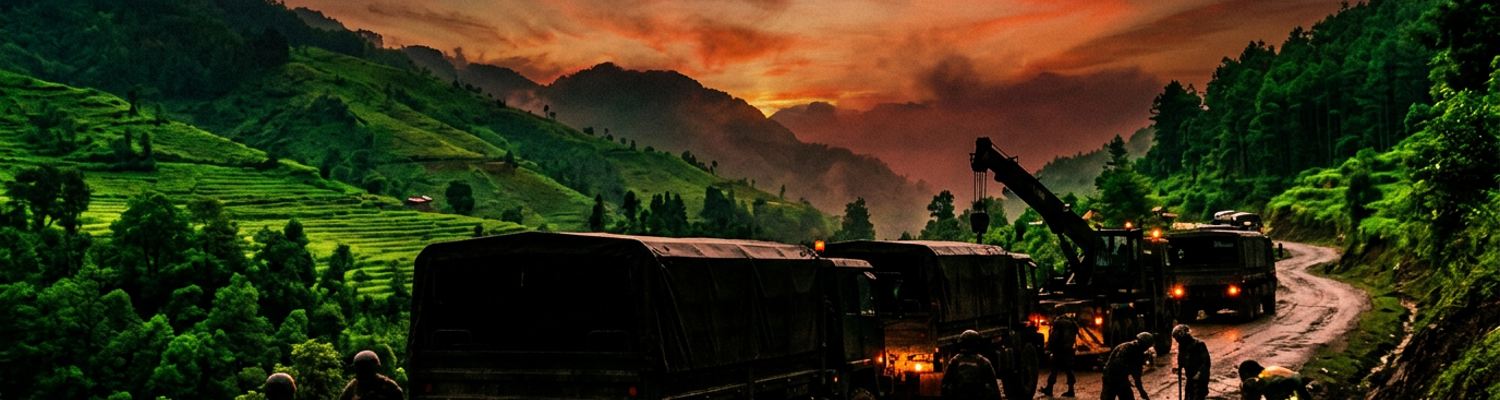
GMC CCKW two-and-a-half-ton cargo trucks repeatedly snapped their rear axle shafts in the rain-soaked clay west of Bizerte. Tons of artillery shells and fuel rations sat stranded during the final drive toward the Tunisian coast. The single macadam road cutting through the Sedjenane valley could not bear the weight of heavy military traffic. This vital supply artery transformed into a churned trench of mud that trapped entire convoys for hours at a stretch. Drivers burned out clutches trying to rock their vehicles free. Maintenance teams stripped spare parts from ruined chassis along the shoulders to keep at least a fraction of the supply train rolling forward. Infantry battalions from the American 9th Infantry Division marched ahead without their assigned transport. Soldiers carried their own heavy ammunition boxes across saturated hills while their rations spoiled in stranded truck beds miles behind them. Field commanders struggled to coordinate movements as wireless radio batteries died without fresh generator recharges. Lead combat elements cleared fortified ridges without direct artillery support. Cameramen assigned to record the offensive pushed past these jammed columns on foot. Photographers carried heavy tripod equipment and 35mm Eyemo cameras through the rain while searching for clean vistas of advancing armor.
Camera crews from commercial studios moved into the city streets to record the arrival of Allied armor from carefully chosen angles. Wartime newsreels produced by commercial studios framed the entry into Bizerte as an effortless liberation complete with celebrating crowds. Cinematographers positioned their lenses along the few undamaged boulevards. Lens operators aimed away from burning vehicles and focused on handpicked French civilians waving flags from second-story balconies. Studio editors in New York and London spliced these reels into fast-moving theater shorts. These films showed pristine M4 Sherman tanks rolling through wide avenues under clear Mediterranean skies. Staged depictions completely omitted the grueling slugfest through the surrounding mountain passes. Editors transformed an exhausted force into an invincible army on parade. Movie theater audiences in the Allied home nations watched scenes of smiling soldiers accepting flowers and fresh bread from grateful residents. Viewers never saw the dead pack mules, the shell-shocked riflemen, or the heaps of discarded equipment littering the ditches outside the city perimeter.
War Department information releases obscured severe operational friction to project Anglo-American tactical superiority ahead of the upcoming invasion of Sicily. Press officers operating out of Allied Force Headquarters in Algiers strictly managed the narrative. Information staff withheld casualty figures and buried reports of disastrous traffic jams that left combat divisions paralyzed without gasoline. Staff planners feared that admitting how close the logistical apparatus had come to catastrophic failure would alarm political leaders in Washington and London. Intelligence officers worried that reports of supply breakdowns would embolden Axis defenders on the Italian mainland. Communiques instead credited Allied generals with executing an uninterrupted operational masterstroke. Press releases glossed over deep friction between American corps commanders and their British counterparts over road priorities and supply allocations. Censors stamped out every reference to fuel shortages, ammunition rationing among rival units, and broken radio links. International correspondents published only accounts of perfect inter-service harmony and mechanical efficiency.
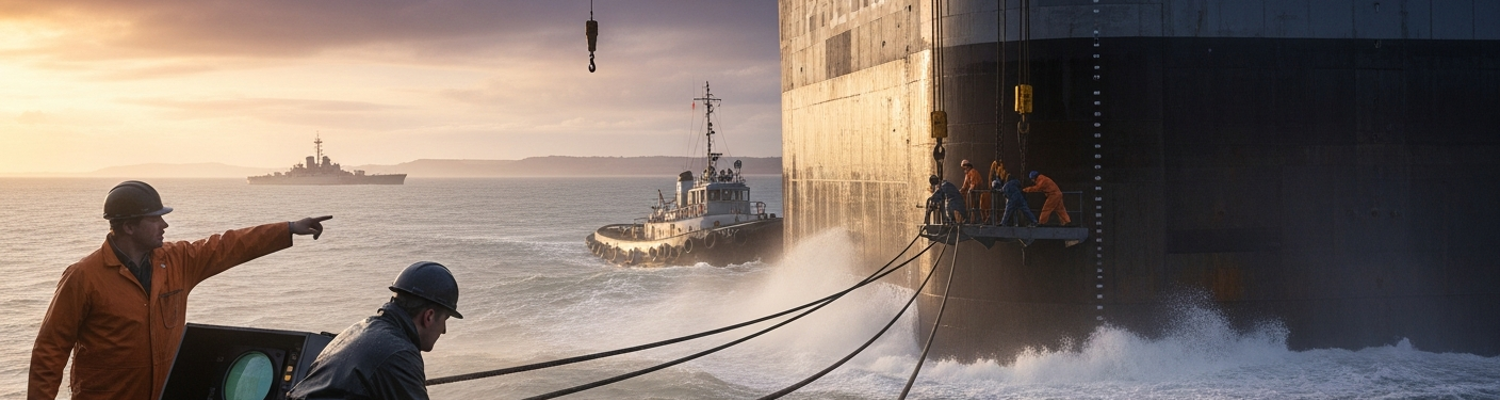
Concrete rubble, scuttled merchant hulls, and severed dockside cranes filled the captured port city once American infantrymen finally fought their way inside. Retreating German demolition engineers had blown the municipal water mains, leveled the electrical power grid, and detonated naval munitions depots along the waterfront. The harbor basin remained completely choked with debris. Post-campaign media narratives minimized the reality of widespread material destruction and operational stalling to sustain domestic civilian morale. Newspapers across North America and Great Britain described Bizerte as an intact strategic prize ready to support the next leap toward southern Europe. Editors ignored the fact that the port remained totally nonfunctional for weeks. Navy salvage divers and Army combat engineers labored around the clock with cutting torches and heavy winches. Work crews hauled tangled steel from the shipping channels before a single cargo ship could dock and discharge its freight.
Supply Bottlenecks Around Lake Garaet Achkel
Cargo vessels remained anchored uselessly in open water because the sabotaged harbor could not receive them. The entire Allied ground offensive depended on distant overland supply routes. U.S. II Corps advance combat units outpaced logistical support columns across the narrow defiles between Lake Garaet Achkel and the northern coast in early May 1943. Armored scout cars and lead rifle companies surged ahead through the rocky hills to maintain pressure on retreating German defenses. Their rapid rate of march opened a dangerous gap behind them. Heavy transport vehicles loaded with food, dry uniforms, and replacement parts fell miles behind the fighting line as the unpaved mountain roads disintegrated under relentless axle loads. Quartermaster staff officers discovered that the only passable ground in the sector funneled all traffic into a narrow ribbon of gravel. This single road sat pinned between the salt marshes of the lake and the jagged mountain ridges rising to the north.
Trucks carrying essential combat stores piled up for miles along this solitary corridor. Single-lane causeways and rugged terrain forced quartermaster truck companies carrying fuel, ordnance, and potable water into dense vehicular bottlenecks. Drivers shut off their engines on the sunbaked embankments as soft road shoulders collapsed under the immense weight of the convoys. Overloaded vehicles plunged into the deep marshes. Recovery crews labored under intermittent mortar fire to winch overturned chassis from the mud. Clearing a single obstruction took hours while hundreds of idling vehicles consumed fuel in place. Motorcycle dispatch riders attempting to carry urgent orders forward found themselves completely blocked by the endless wall of stationary bumpers and canvas-topped truck beds.
Infantrymen and gunners pressing toward the outer ring of Bizerte absorbed the immediate shock of this mechanical breakdown. Logistical delays created critical shortages of 105mm artillery ammunition and motor gasoline for forward regiments of the 9th Infantry Division. Field artillery batteries reduced their fire missions to just three or four shells per gun each day. Assault companies lacked the rolling barrages needed to crack reinforced concrete pillboxes on the surrounding heights. M4 Sherman tanks and armored scout cars sputtered to a stop on forward ridges with bone-dry fuel tanks. Tank crews siphoned fuel from knocked-out transport trucks to keep their radios functioning. Frontline riflemen advanced across rocky gullies carrying extra mortar shells and canvas water bags on their backs. Assigned cargo trucks remained trapped twenty miles behind the lines.
Engineers from the 15th Engineer Combat Battalion blasted emergency bypass trails into the rocky slopes north of the lake to break the paralyzing deadlock. Bulldozer crews shoved disabled trucks down steep embankments without hesitation to clear the single lane for high-priority shipments of fuel and shells. Work details formed human bucket lines across washed-out sections of road. Soldiers passed five-gallon gasoline cans and heavy wooden ammunition crates hand to hand when truck wheels sank to their axles in deep mud. Officers established strict traffic control points at the western entrance of the defile. Guards turned back all noncombat transport and staff cars to keep the gravel surface open exclusively for munitions and water. Military police at these checkpoints directed every returning empty cargo truck to load wounded soldiers and spent brass casings. This continuous turnaround loop slowly restored supply flow to the frontline regiments.
Entry Into the Depopulated Urban Core
Riflemen from the 9th Infantry Division pushed into the smoking outskirts alongside M3 Gun Motor Carriages of the 894th Tank Destroyer Battalion on the afternoon of May 7, 1943. Newly delivered fuel and ammunition supported this final push. Gun crews kept their 75mm guns trained on shuttered apartment windows and alleyways. Gunners expected sudden fire from concealed anti-tank guns and snipers. Infantry squads fanned out past unmanned roadblocks. Soldiers moved through the main boulevards and residential neighborhoods without hearing a single voice or drawing enemy counterfire. American troops discovered that the entire urban core was completely depopulated. The city stood silent beneath drifting smoke and settling dust. Scout teams checked empty villas, apartment blocks, and government plazas. Patrols found abandoned domestic belongings and half-eaten meals but not a single civilian inhabitant. Combat patrols reported back to battalion command posts that the expected cheering crowds and hostile snipers were equally absent from the captured streets.
Axis transport barges had ferried thousands of civilian residents along with retreating military personnel across the maritime canal during the final hours before the American armor arrived. German military commanders ordered this forced evacuation to eliminate potential Allied informants and clear the urban battle zone for unrestricted demolition work. Soldiers and military police herded Italian and French residents, along with local Tunisian families, down to the waterfront at gunpoint throughout the preceding days. Loading crews crowded these displaced families into lighters, motor launches, and wooden fishing boats. Guards forced them across the deep water channel toward the Cap Bon peninsula. Convoys of retreating German and Italian troops joined this waterborne evacuation under cover of night. Soldiers abandoned their broken vehicles on the quays before boarding the crowded boats. Demolition squads from the German rearguard stayed behind along the docks just long enough to light their safety fuses before escaping across the water on high-speed assault craft.
Dynamite charges planted by departing German engineers shattered every critical municipal utility network across Bizerte. High-explosive detonations brought down the electrical grid by toppling high-voltage transmission towers. Blast waves blew up municipal substations and smashed the central diesel generators. Underground water mains ruptured along dozens of intersections where explosive teams had planted heavy aerial bombs beneath the pavement. The municipal reservoir drained into flooded cellars, leaving incoming Allied troops without potable water. Port installations suffered systematic destruction. Shaped charges severed the steel legs of dockside cranes, collapsed concrete quays into the basin, and blew apart the fuel storage tanks along the waterfront. American reconnaissance squads advancing toward the waterfront found the inner harbor channels blocked by scuttled cargo hulls. Axis crews had detonated and burned harbor tugs at their moorings.
Tank destroyer crews from the 894th Battalion deployed their armored vehicles in hull-down positions among the dockside rubble to guard the canal against enemy counterattacks from the opposite bank. Infantrymen from the 9th Division established defensive perimeters inside shattered warehouse walls and courtyard gardens. Soldiers tested every doorway and windowsill for hidden tripwires before stepping inside. Quartermaster officers arriving behind the lead rifle companies faced the immediate crisis of supplying their troops without local water, electricity, or an operating harbor. Field commanders realized that the newly captured base could not receive a single ocean-going supply vessel or relieve the choked overland road network until salvage units cleared the channel. Combat engineers brought forward portable water purification trailers and pneumatic tools to clear the debris-choked roads and locate emergency wells. American commanders halted forward armor at the canal line. Work details dragged wrecked machinery from the waterfront streets before heavy transport could enter the ruined city.
Axis Demolitions and Urban Mine Warfare
Bulldozer tracks churned through pulverized brick along the waterfront as recovery crews hooked tow cables to burned half-tracks and scuttled machinery. Retreating German units heavily seeded primary thoroughfares and rubble heaps with Tellermines and anti-personnel S-mines. Buried explosive discs lay hidden beneath layers of shattered masonry. These mines were calibrated to detonate under the crushing weight of tank treads and heavy engineering vehicles. Foot soldiers guiding the tractors inadvertently brushed against the three-pronged wire igniters of spring-loaded S-mines buried in the roadside rubble. Blast detonations hurled steel canister casings upward into the air. The exploding canisters released thousands of flying ball bearings that shredded uniforms and tore open the supply tires behind them. Shrapnel punctured exposed engine blocks and tore through fuel lines, bringing all mechanical clearance along the quays to a sudden stop.
Trucks carrying infantry reinforcements stalled across the waterfront approaches as drivers encountered impassable avenues choked with burning rubber and severed axles. Concealed explosive booby traps and delay-action charges halted transport vehicles at city intersections and caused severe casualties among lead scout details. German demolition squads had wired ordinary architectural features. Engineers rigged window shutters, telephone handsets, and cellar trapdoors with taut friction fuses. Heavy aerial bombs buried deep under the crossroads pavement functioned on delay-action clockwork mechanisms. These massive charges detonated without warning hours after combat patrols had marked the intersections as secure. Explosions collapsed stone building facades directly onto the roadway. Falling masonry buried light reconnaissance cars and crushed the soldiers trapped inside the narrow street channels. Paralyzed supply columns stretched back toward the city gates as quartermaster officers refused to risk their remaining ammunition carriers on the blast-pitted streets.
Ammunition columns waited motionless while specialized clearing details moved forward on their hands and knees to inspect the cracked pavement. Combat engineers from the 15th Engineer Combat Battalion performed perilous hand clearance of wire-tripped charges under intermittent Axis artillery bombardment. Sappers crawled along curbstones on their bellies. Engineers felt through pulverized glass with bare fingertips to locate hair-thin tripwires before German battery shells whistled overhead. Heavy artillery rounds fired from Axis gun emplacements across the canal detonated against surrounding apartment walls. Falling brickwork showered the prone engineers while they clipped detonator caps with pliers. Men held their breath as they unscrewed corroded pressure plates from live Tellermines. A single slip or falling chunk of stone would set off the entire explosive train. Each neutralized charge was lifted gently from its dirt bed and marked with white engineer tape so that following infantry platoons could avoid the cleared craters.
Stakes driven into the rubble held white tape to mark narrow safety corridors. Recovery crews hauled away truckloads of deactivated explosives along these cleared routes. Infantry squads followed these marked lanes in single file. Soldiers kept their boots strictly between the tape boundaries while bypassing unstable building foundations. Heavy cargo trucks carrying rations, radio batteries, and mortar shells slowly rolled into the central plazas along these cleared paths. Drivers navigated past deep craters where delay-action bombs had been neutralized. Engineers used pneumatic drills and hand sledgehammers to knock down remaining booby-trapped walls. Controlled demolition ensured that falling debris would not trigger undetected secondary fuses. Frontline regiments established fortified distribution posts inside these secured intersections. Quartermaster troops restored the direct supply links needed to support upcoming Allied operations.
Signal Corps Documentation in File Series 111-SC
Photographers of the 163rd Signal Photographic Company accompanied forward reconnaissance detachments directly into the ruins of Bizerte as quartermaster details established those central supply depots. Cameramen carried heavy Speed Graphic press cameras and spring-driven 35mm Eyemo motion picture units. Signal troops hiked alongside point scouts through avenues blanketed in powdery brick dust and fallen electrical cables. Infantry squads scanned upper-story apartment windows for snipers while the cameramen stepped over live power lines and unexploded munitions to document the advance. Camera shutters recorded the immediate physical reality of the capture. Photographers focused on shattered concrete roadblocks and abandoned anti-tank guns rather than theatrical victory poses. Lens operators exposed dozens of photographic plates showing combat engineers clearing collapsed masonry to make room for returning cargo trucks. Photographers sealed these exposed film holders inside light-tight canvas pouches. Signalmen handed the pouches to motorcycle dispatch riders waiting near the city gate.
Dispatch riders carried the sealed film pouches west to rear-echelon developing laboratories stationed inside converted mobile trailers. Uncensored exposures filed under National Archives Record Group 111, Series 111-SC documented burned-out CCKW supply trucks, structural wreckage, and combat stress. Field negatives revealed a landscape of logistical vulnerability and urban ruin that contradicted polished newsreel footage shown on the home front. Emulsion plates exposed along the approach routes showed blackened GMC cargo trucks resting on melted rubber rims. German artillery airbursts had punctured fuel tanks and set ammunition loads ablaze. Contact sheets captured close-up views of sheared steering knuckles, cracked transmission housings, and stripped drive gears that mechanics had abandoned along muddy bypasses. Darkroom technicians hung strips of drying negatives displaying shattered municipal docks and sunken supply craft across wooden racks inside the mobile lab.
Portraits developed from these field negatives recorded the severe physical and emotional exhaustion consuming front-line soldiers. Camera frames caught riflemen slumping against cratered brick walls. Dirty hands clutched empty canteen cups after days of surviving on hard rations. Photographic plates documented walking-wounded infantrymen with bloodied field dressings limping past blasted stone facades. Passing work details struggling to clear clogged thoroughfares ignored the wounded men. Signal Corps technicians printed exposures of completely leveled harbor districts. Prints revealed that naval docks, railroad spurs, and warehouse facilities lay in total ruin rather than functioning as usable Allied assets. Commercial newsreel companies in New York and London excluded these grim frames from public screenings. Editors selected staged takes of waving troops and intact city halls to maintain domestic civilian morale. War Department censors stamped restricted classifications across the starkest 111-SC prints. Censors locked away hundreds of images showing stalled supply lines and frontline trauma.
Planners routed these classified 111-SC photographic prints directly into intelligence and logistics review sections. Quartermaster officers studied the images of shattered truck axles and overturned cargo carriers to calculate the mechanical attrition rates for upcoming amphibious assaults. Ordnance teams examined the photographic evidence of German demolition charges on harbor cranes and municipal water conduits. Technicians assembled specialized salvage gear for future port seizures based on these visual records. Maintenance commanders revised their vehicle loading regulations after reviewing prints of CCKW trucks that had broken their suspensions under excessive cargo weight in Tunisian mud. Signal officers compiled these field images into technical reference binders. Staff distributed copies to engineer combat battalions preparing for landing operations in Sicily and southern Italy. Archivists boxed the master negative series inside the official Army Signal Corps repository. Clerks cataloged each frame by roll number and unit designation for future technical review.
Operational Reassessment and Logistical Doctrine
Prints retrieved from those cataloged negative boxes circulated immediately through Allied planning rooms in Algiers. Archival field imagery provided planners of Operation Husky with realistic estimates of German urban demolition and delay tactics. Staff officers measured the blast radiuses of delayed-action aircraft bombs. Analysts mapped the rubble heights of demolished waterfront buildings shown in the contact prints. Demolition engineers in the Axis rearguard had systematically wrecked stone quay walls and toppled masonry towers directly across narrow road channels to deny Allied armor transit. These visual records convinced assault planners to double the number of combat engineering companies scheduled in the initial landing waves. Commanders assigned extra bulldozers to beach clearing details. Amphibious task forces added specialized channel-clearing salvage teams and floating crane barges to the assault convoys. Planners anticipated identical port sabotages along the southern Sicilian coast.
Officers evaluating the land campaign alongside those maritime planners found equal cause for alarm along the overland supply corridors. II Corps after-action assessments highlighted severe vulnerabilities in road-bound logistical pipelines during rapid pursuit operations. Staff reports showed that single-lane macadam roads and gravel mountain defiles disintegrated under relentless truck traffic. Breakdowns stranded fuel and artillery shells miles behind forward infantry regiments. Lead combat divisions advancing at motorized speeds had outrun their logistical support by crowding hundreds of cargo trucks onto vulnerable roadbeds. Rain turned these crowded corridors into impassable mud. Quartermaster units responded by revising forward distribution methods. New regulations required combat regiments to carry larger mobile stockpiles and maintain organic repair crews rather than relying on distant rear-echelon depots. Ground commanders adopted strict convoy pacing protocols. These rules prevented dense vehicular clustering and preserved road surfaces during rapid pursuit movements.
Convoys operating under these revised spacing intervals still faced catastrophic delays whenever point vehicles struck hidden explosives along urban access routes. The clearance operations in Bizerte forced the U.S. Army to revise doctrine regarding motorized column movement and urban mine-detection equipment. Combat engineers discovered that standard SCR-625 metallic mine detectors failed repeatedly among pulverized brick, scrap rebar, and fallen electrical wiring. The devices sounded constant false alarms that paralyzed column movement. Sappers had to crawl through debris on their hands and knees. Engineers probed rubble piles with bayonets and wooden probes to locate non-metallic booby traps and wooden-cased Tellermines. Ordnance testing facilities rushed development on modified detection coils capable of filtering out dense urban metallic debris while pinpointing anti-tank charges. Revised field regulations mandated dismounted engineer escorts for all motorized columns entering captured towns. Transport vehicles could not advance until foot squads cleared and taped narrow transit lanes.
Engineers rehearsed these mandatory clearance doctrines in rear-echelon staging areas across Tunisia to prepare for the upcoming invasion. Sappers trained infantry squads to spot taut tripwires strung across cellar entrances and window frames instead of depending entirely on specialized demolition details. Mechanics welded steel bumper guards and wire-cutting hooks to the front frames of lead scout cars. These modifications snapped hidden trip cords before vehicles entered suspicious intersections. Supply sergeants reconfigured standard truck cargo loads. Loadmasters shifted air compressors, pneumatic drills, and crates of white engineer tape to the tailgates of forward CCKW trucks. Quartermaster drivers lashed wooden boxes of spare mine-detector batteries and demolition kits onto vehicle running boards. Drivers steered their loaded trucks into landing craft staging areas along the Tunisian coast.