
Historical Description
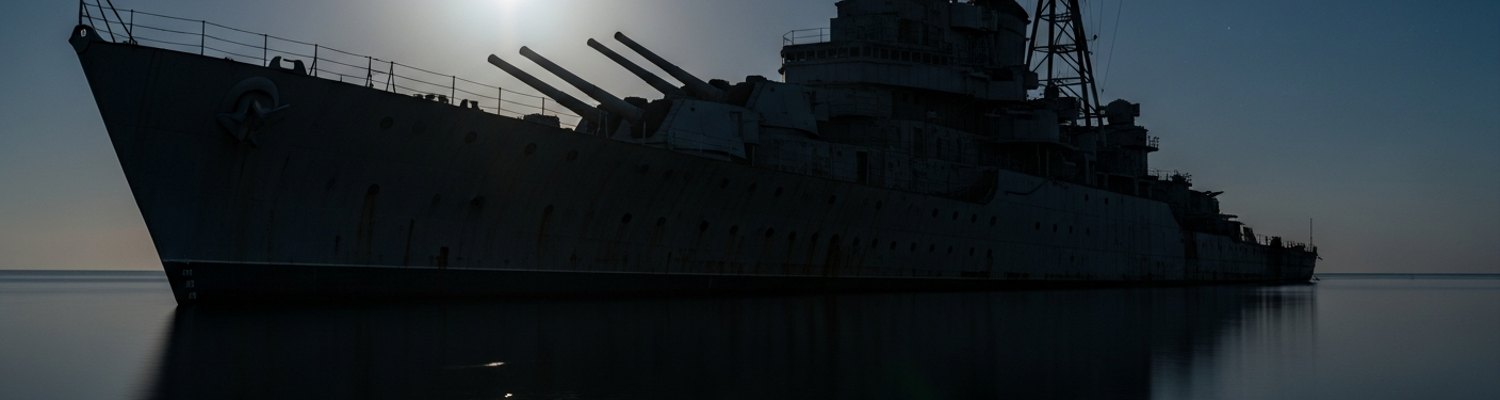
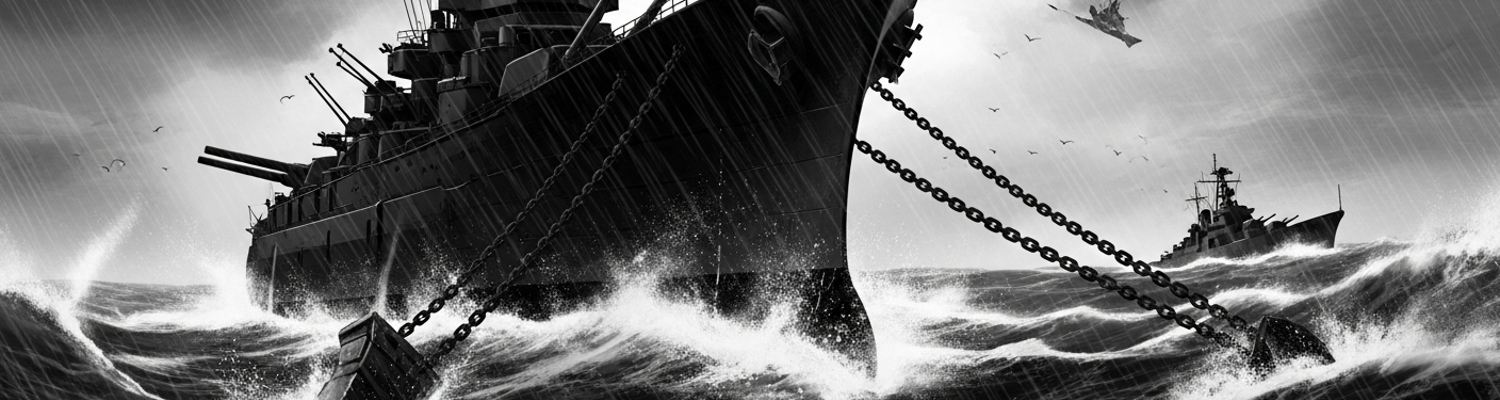
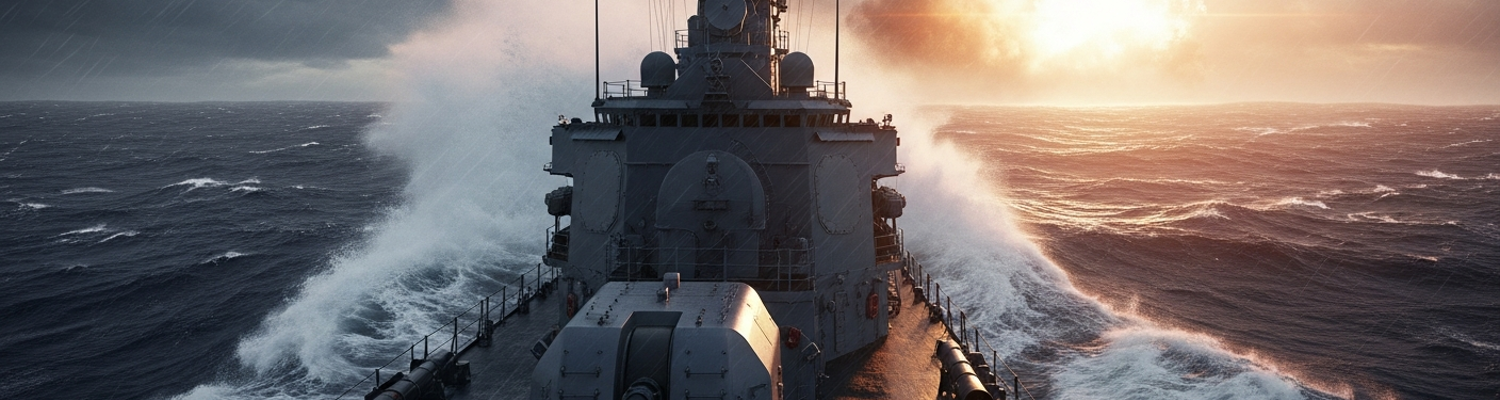
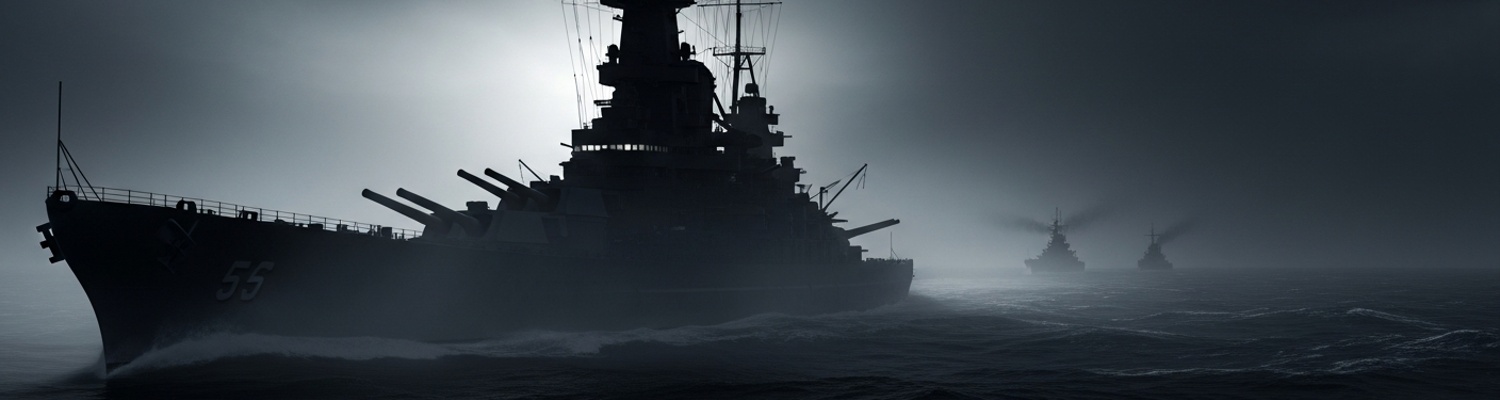
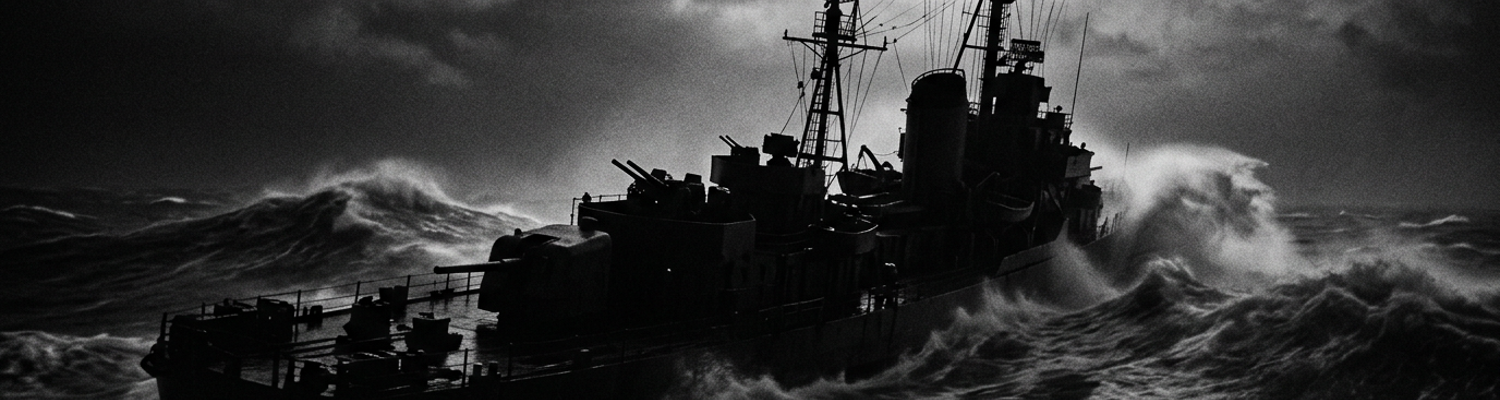
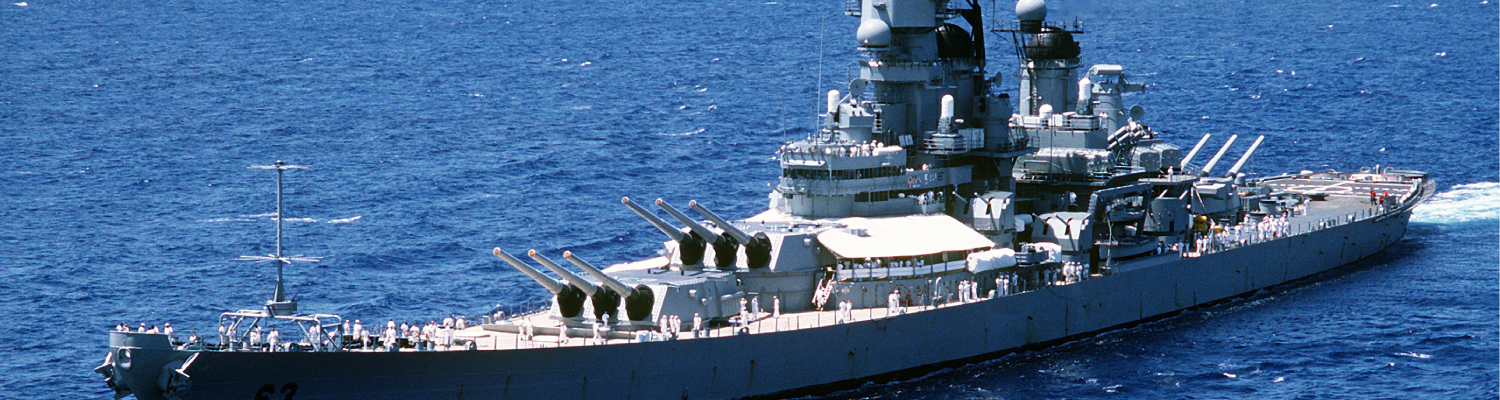
The USS Missouri (BB-63), affectionately known as "Mighty Mo," is the last battleship ever commissioned by the United States and is arguably the most historically significant vessel of the 20th century. An Iowa-class fast battleship, she represents the pinnacle of big-gun naval warfare, combining massive firepower, thick armor, and high speed designed to keep pace with fast carrier task forces.
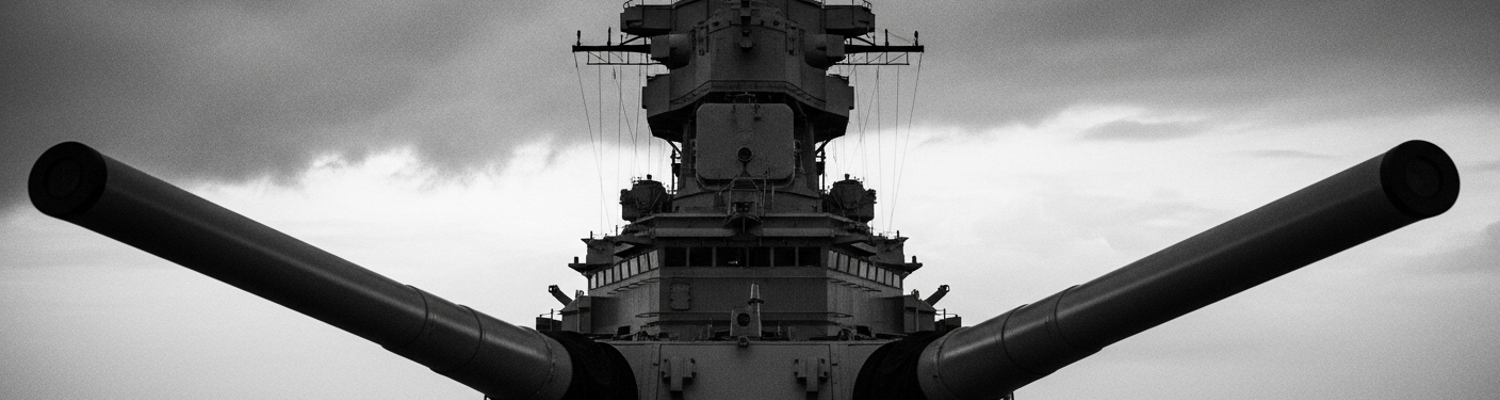
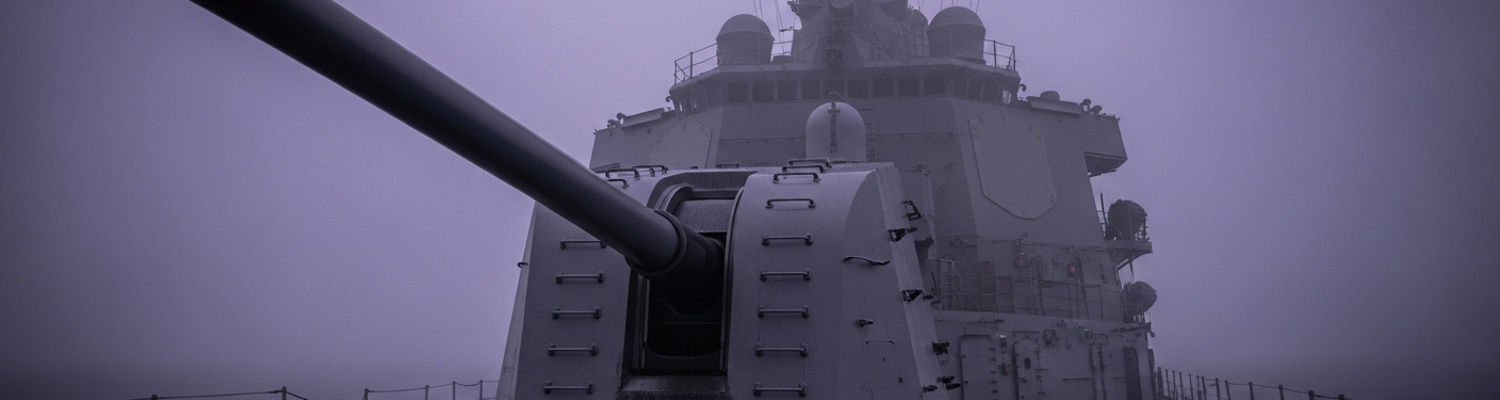
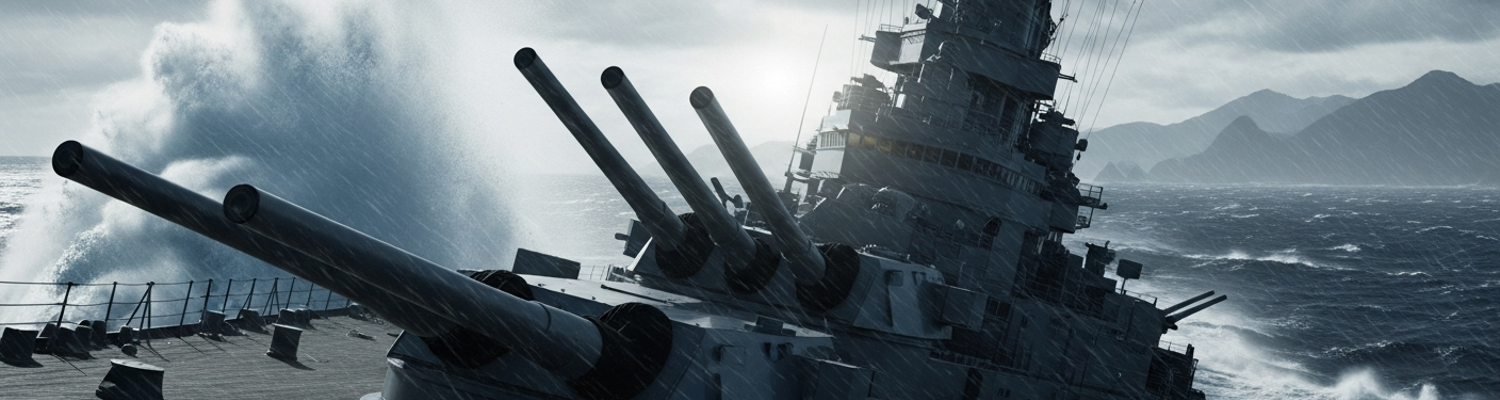
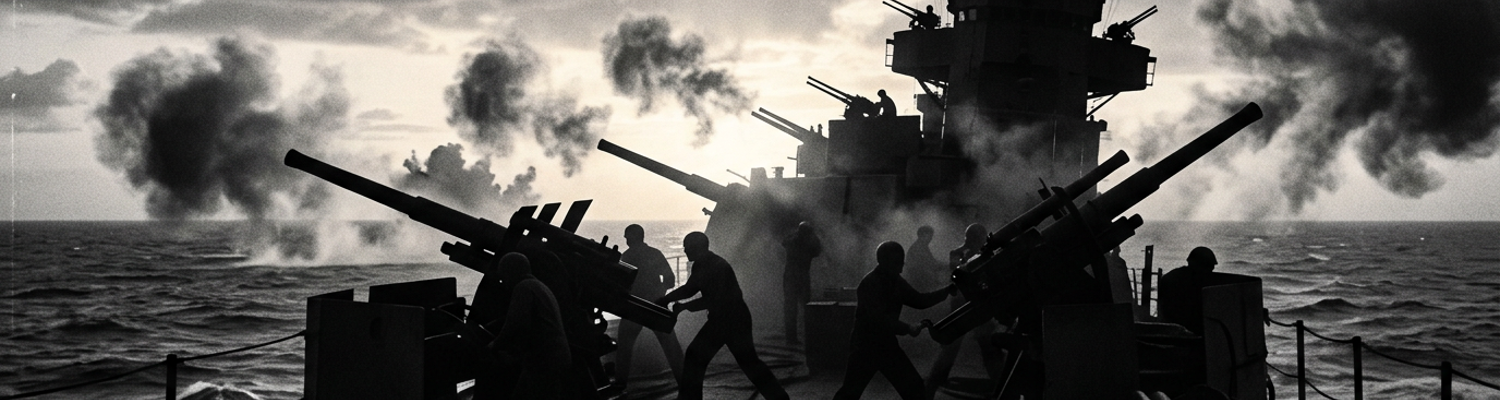
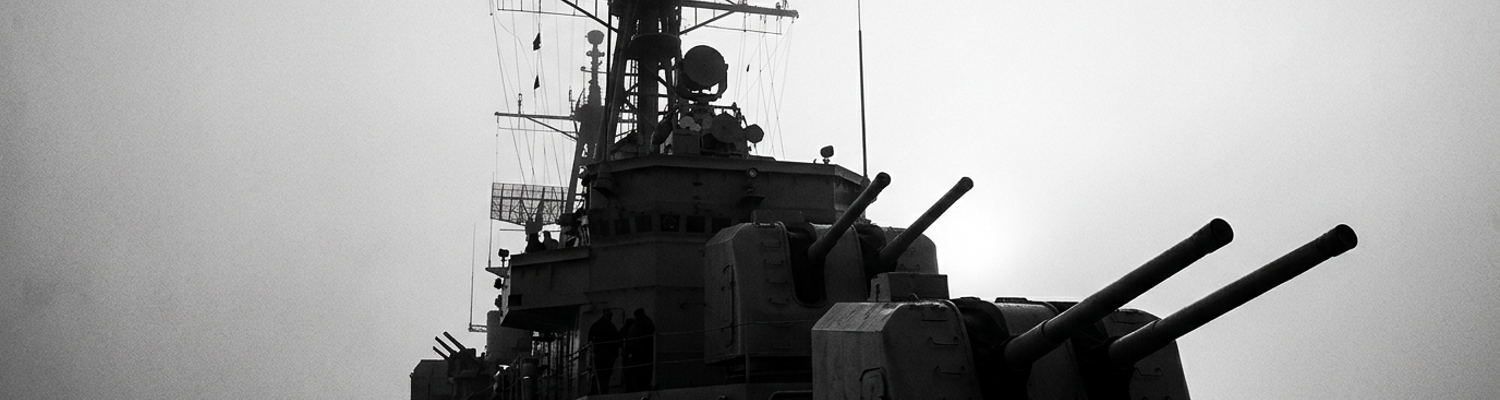
Displacing over 45,000 tons (and up to 58,000 tons fully loaded) and stretching 887 feet in length, the Missouri was a titan of the seas. Her primary offensive power came from nine 16-inch (406 mm)/50 caliber Mark 7 guns, housed in three massive turrets. These weapons could hurl 2,700-pound armor-piercing projectiles nearly 24 miles with terrifying accuracy. During her World War II configuration, she also bristled with twenty 5-inch guns and a dense array of anti-aircraft Bofors and Oerlikon cannons, making her a floating fortress against air attacks. Her engineering plant, generating 212,000 shaft horsepower, allowed her to slice through the ocean at speeds exceeding 33 knots—a remarkable feat for a ship of her armor class.
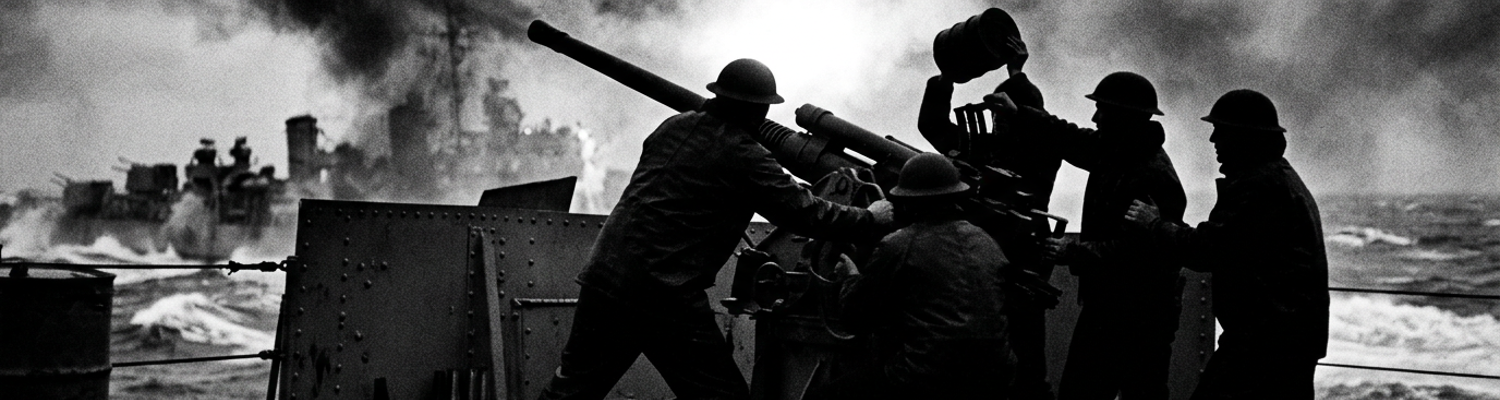
Commissioned in June 1944, the Missouri arrived in the Pacific Theater in time to participate in the major battles of Iwo Jima and Okinawa. She screened aircraft carriers and rained high-explosive shells on Japanese positions. During the Okinawa campaign, she was struck by a Kamikaze aircraft; the plane crashed into the side of the ship, but the damage was superficial. In a display of military honor, the Missouri’s captain ordered a burial at sea for the Japanese pilot the following day.
However, her most defining moment occurred not in combat, but in peace. On September 2, 1945, the Missouri was anchored in Tokyo Bay. It was on her teak decks that representatives of the Empire of Japan signed the Instrument of Surrender to the Allied Powers, officially ending World War II. This event cemented her place in history as the site where the deadliest conflict in human history was brought to a close.
Unlike many of her contemporaries that were scrapped after WWII, the Missouri remained relevant. She was the only U.S. battleship on active duty at the start of the Korean War in 1950. For three years, she patrolled the Korean coast, serving as a flagship and providing devastating shore bombardment. Her 16-inch guns destroyed bridges, railway lines, and communication hubs, proving that big guns were still effective even in the jet age. Following the Korean War, she was decommissioned in 1955 and placed into the "Mothball Fleet" for three decades.
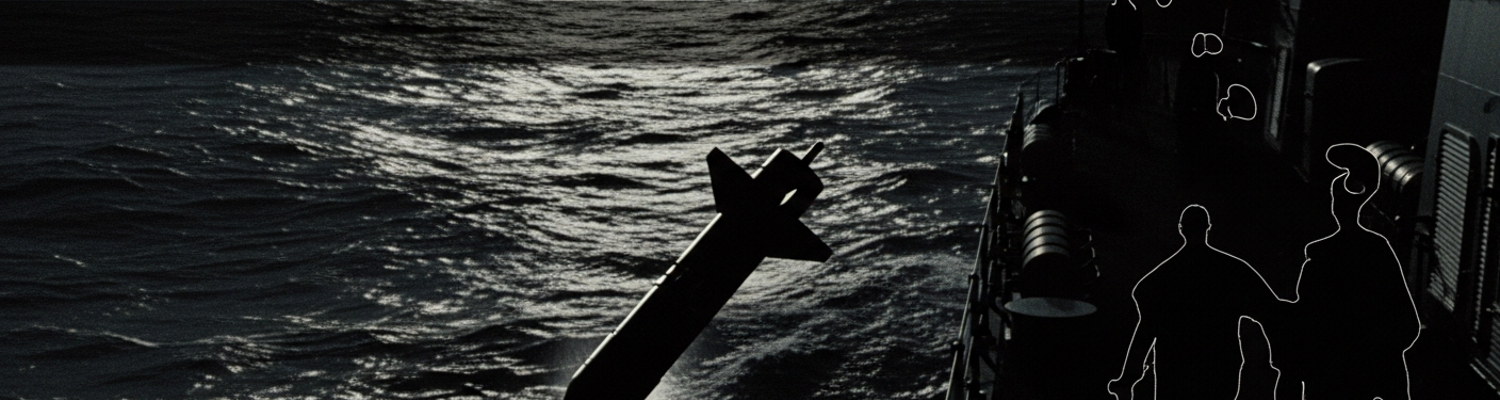
In the 1980s, under the Reagan Administration's "600-Ship Navy" initiative, the Missouri was awakened. She underwent a massive modernization refit. While retaining her 16-inch guns, she was outfitted with modern technology, including Tomahawk cruise missile launchers, Harpoon anti-ship missiles, and Phalanx Close-In Weapon Systems (CIWS) for missile defense. She was recommissioned in 1986 and set out on a world tour.
Her final combat action came during Operation Desert Storm in 1991. Operating in the Persian Gulf, the Missouri fired Tomahawk missiles at Iraqi targets and utilized her main guns to shell Iraqi command bunkers and beach defenses in Kuwait. It was a surreal synthesis of eras: a ship built to fight the Japanese Empire was now coordinating satellite-guided munitions strikes in the Middle East.
The Missouri was decommissioned for the final time in 1992. Today, she rests as a museum ship in Pearl Harbor, Hawaii. She is moored bow-to-bow with the sunken wreckage of the USS Arizona. This arrangement is symbolic: the Arizona represents the beginning of American involvement in WWII, and the Missouri represents the end. Together, they serve as the "bookends" of the war, standing as a permanent memorial to peace and sacrifice.
Displacing over 45,000 tons (and up to 58,000 tons fully loaded) and stretching 887 feet in length, the Missouri was a titan of the seas. Her primary offensive power came from nine 16-inch (406 mm)/50 caliber Mark 7 guns, housed in three massive turrets. These weapons could hurl 2,700-pound armor-piercing projectiles nearly 24 miles with terrifying accuracy. During her World War II configuration, she also bristled with twenty 5-inch guns and a dense array of anti-aircraft Bofors and Oerlikon cannons, making her a floating fortress against air attacks. Her engineering plant, generating 212,000 shaft horsepower, allowed her to slice through the ocean at speeds exceeding 33 knots—a remarkable feat for a ship of her armor class.
Commissioned in June 1944, the Missouri arrived in the Pacific Theater in time to participate in the major battles of Iwo Jima and Okinawa. She screened aircraft carriers and rained high-explosive shells on Japanese positions. During the Okinawa campaign, she was struck by a Kamikaze aircraft; the plane crashed into the side of the ship, but the damage was superficial. In a display of military honor, the Missouri’s captain ordered a burial at sea for the Japanese pilot the following day.
However, her most defining moment occurred not in combat, but in peace. On September 2, 1945, the Missouri was anchored in Tokyo Bay. It was on her teak decks that representatives of the Empire of Japan signed the Instrument of Surrender to the Allied Powers, officially ending World War II. This event cemented her place in history as the site where the deadliest conflict in human history was brought to a close.
Unlike many of her contemporaries that were scrapped after WWII, the Missouri remained relevant. She was the only U.S. battleship on active duty at the start of the Korean War in 1950. For three years, she patrolled the Korean coast, serving as a flagship and providing devastating shore bombardment. Her 16-inch guns destroyed bridges, railway lines, and communication hubs, proving that big guns were still effective even in the jet age. Following the Korean War, she was decommissioned in 1955 and placed into the "Mothball Fleet" for three decades.
In the 1980s, under the Reagan Administration's "600-Ship Navy" initiative, the Missouri was awakened. She underwent a massive modernization refit. While retaining her 16-inch guns, she was outfitted with modern technology, including Tomahawk cruise missile launchers, Harpoon anti-ship missiles, and Phalanx Close-In Weapon Systems (CIWS) for missile defense. She was recommissioned in 1986 and set out on a world tour.
Her final combat action came during Operation Desert Storm in 1991. Operating in the Persian Gulf, the Missouri fired Tomahawk missiles at Iraqi targets and utilized her main guns to shell Iraqi command bunkers and beach defenses in Kuwait. It was a surreal synthesis of eras: a ship built to fight the Japanese Empire was now coordinating satellite-guided munitions strikes in the Middle East.
The Missouri was decommissioned for the final time in 1992. Today, she rests as a museum ship in Pearl Harbor, Hawaii. She is moored bow-to-bow with the sunken wreckage of the USS Arizona. This arrangement is symbolic: the Arizona represents the beginning of American involvement in WWII, and the Missouri represents the end. Together, they serve as the "bookends" of the war, standing as a permanent memorial to peace and sacrifice.
Service History
- Activation Date
- Deactivation Date
- Status
- Inactive
- Unit Type
- Squadron
Battle Honors & Awards
- Navy Unit Commendation (Desert Storm) ()
- Asiatic-Pacific Campaign Medal (3 Battle Stars) ()
- Korean Service Medal (5 Battle Stars) ()
Command & Leadership
- Current/Final CO
- None (Decommissioned)
- Role
- Fast Battleship / Naval Gunfire Support / Surface Action Group Flagship
- Headquarters
- Pearl Harbor, Hawaii (Ford Island)
Notable Commanders
- William M. Callaghan (1944-1945)
- Stuart S. Murray (1945-1945)
- A. Lee Kaiss (1990-1992)
Identity & Heraldry
Motto: "Strength for Freedom"
Nicknames: Mighty Mo
 Insignia
Operational Records
Unit Timeline
World War II (1944–1945)
Battle of Iwo Jima, Battle of Okinawa, Bombardment of the Japanese Home Islands. Host to the Unconditional Surrender of Japan.
Post-WWII
Diplomatic missions in the Mediterranean (1946).
Korean War (1950–1953)
Inchon Landing support, bombardment of Chongjin, Tanchon, and Wonsan.
Cold War Reactivation (1986–1990)
Operation Earnest Will (Persian Gulf escort).
Gulf War (1991)
Operation Desert Storm; fired Tomahawk missiles and provided naval gunfire support.